

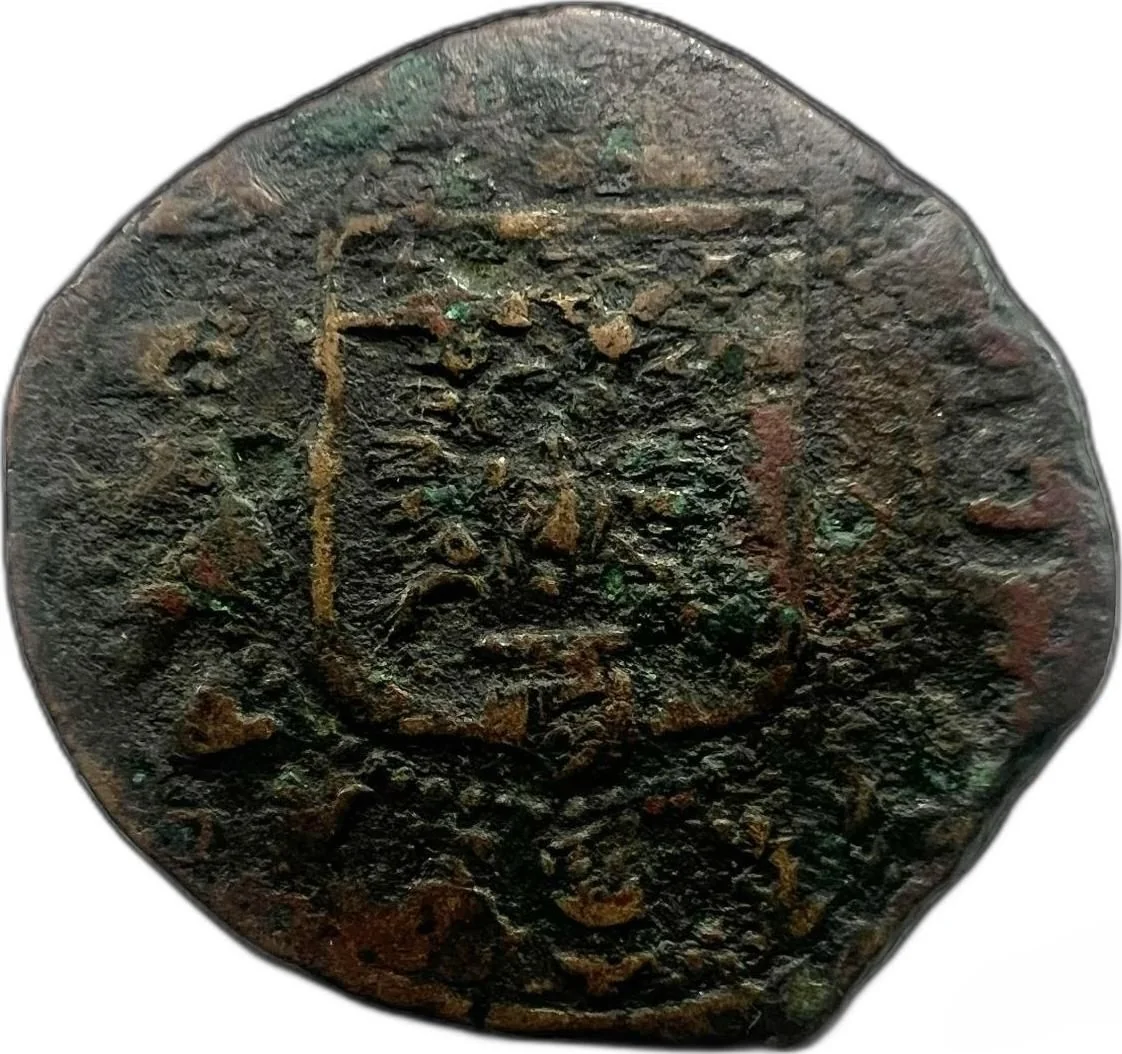
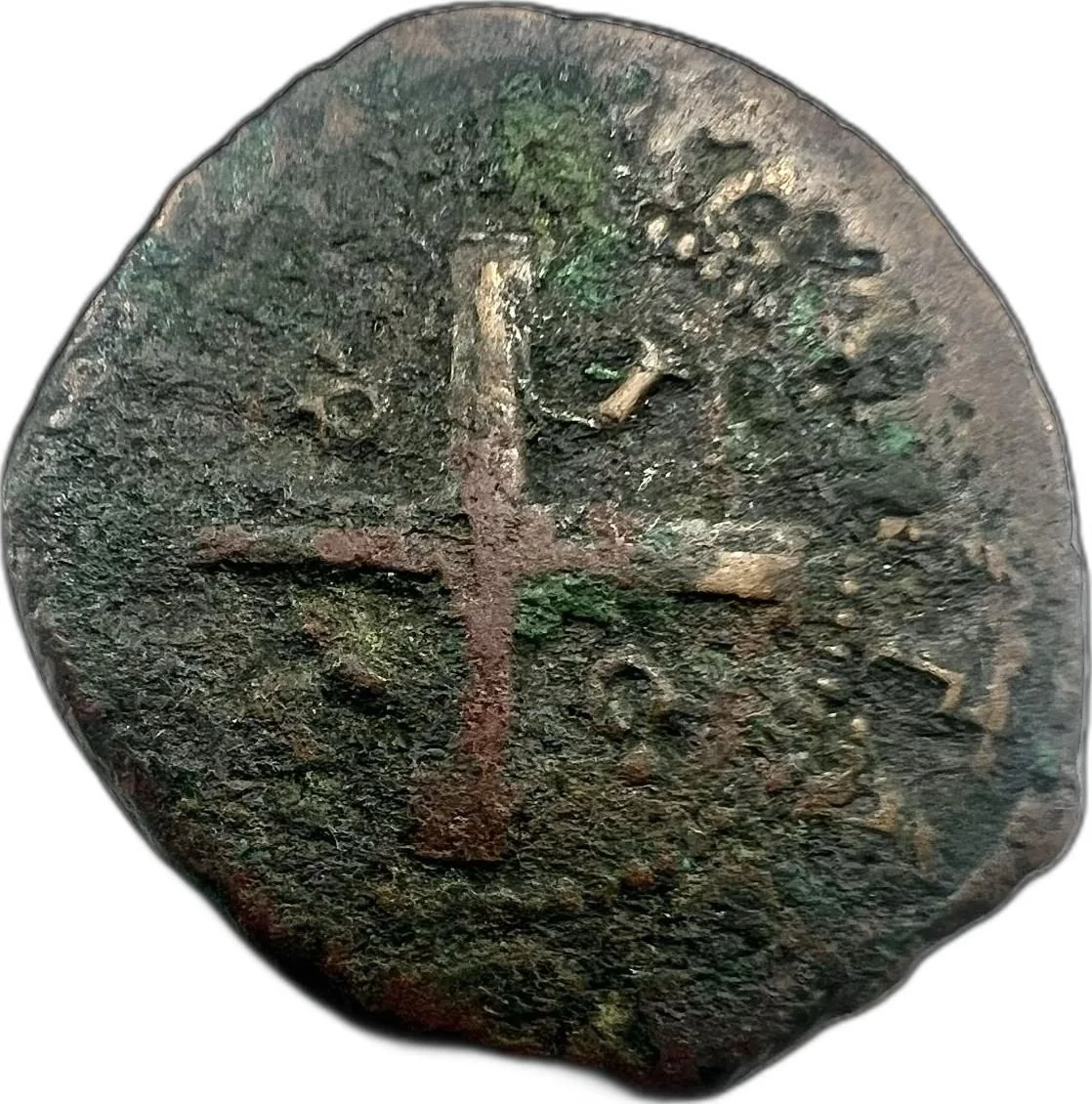
1 Grano – Malta
Malta
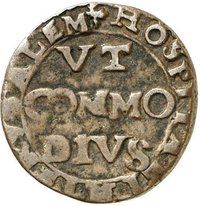
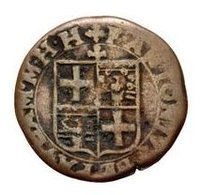
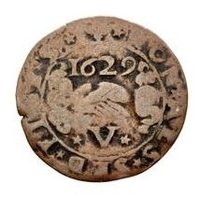
Obverse
Reverse
Edge
Plain
Mintings
| Year | Mint Mark | Mintage | Quality | Collection |
|---|---|---|---|---|
| 1626 | — | — | ||
| 1628 | — | — | ||
| 1629 | — | — |
Historical background
In 1626, Malta's currency situation was complex and challenging, reflecting its strategic position as a bustling crossroads of Mediterranean trade under the rule of the Knights of St. John. The primary unit of account was the Maltese scudo, a silver coin theoretically valued at 12 tari or 240 grani. However, the islands were awash with a multitude of foreign coins from across Europe and the Ottoman sphere, including Spanish pieces of eight, Venetian ducats, Neapolitan carlini, and Turkish sequins. This proliferation created a chaotic monetary environment where exchange rates fluctuated constantly, complicating daily transactions and long-term commerce.
The root of the problem lay in the Knights' limited minting authority and the archipelago's reliance on imported specie. While the Order minted its own copper grani and tari for small change, its silver and gold issues were insufficient to meet demand. Consequently, merchants and traders conducted business using a bewildering array of foreign coins, their values determined by intrinsic metal content and prevailing market confidence. This often led to shortages of sound coinage, as good money was hoarded or exported, while debased or clipped coins remained in circulation—a classic example of Gresham's Law in action.
Recognising the economic instability this caused, the Order's treasury made ongoing, though largely reactive, efforts to regulate the system. Officials periodically issued proclamations fixing the legal value of the most common foreign coins in relation to the Maltese scudo, attempting to impose order. These edicts, however, were difficult to enforce and often failed to keep pace with market realities. Thus, in 1626, Malta’s currency remained a fragmented and unstable system, where official valuations and the practical realities of the marketplace were in constant tension, posing a persistent challenge to both governance and economic life on the islands.
The root of the problem lay in the Knights' limited minting authority and the archipelago's reliance on imported specie. While the Order minted its own copper grani and tari for small change, its silver and gold issues were insufficient to meet demand. Consequently, merchants and traders conducted business using a bewildering array of foreign coins, their values determined by intrinsic metal content and prevailing market confidence. This often led to shortages of sound coinage, as good money was hoarded or exported, while debased or clipped coins remained in circulation—a classic example of Gresham's Law in action.
Recognising the economic instability this caused, the Order's treasury made ongoing, though largely reactive, efforts to regulate the system. Officials periodically issued proclamations fixing the legal value of the most common foreign coins in relation to the Maltese scudo, attempting to impose order. These edicts, however, were difficult to enforce and often failed to keep pace with market realities. Thus, in 1626, Malta’s currency remained a fragmented and unstable system, where official valuations and the practical realities of the marketplace were in constant tension, posing a persistent challenge to both governance and economic life on the islands.
✨ Legendary