

1 Mazuna – Morocco
Morocco

Material
Diameter: 21 mm
Weight: 1.17 g
Silver weight: 1.17 g
Shape: Irregular round
Composition: Silver
Magnetic: No
Technique: Hammered
References
KM: #Click to copy to clipboard27.3
Numista: #156483
Value
Bullion value: $3.35
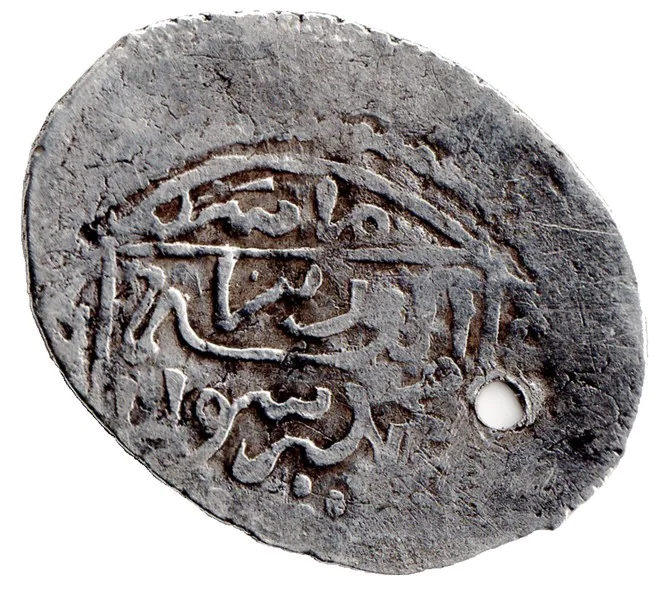
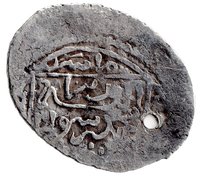
Obverse
Description:
Central inscription in a circle, date and mint in segments. Ruler's name on issues.
Inscription:
الله ربنا
محمد رسولنا
الرشيد إمامنا
محمد رسولنا
الرشيد إمامنا
Script: Arabic
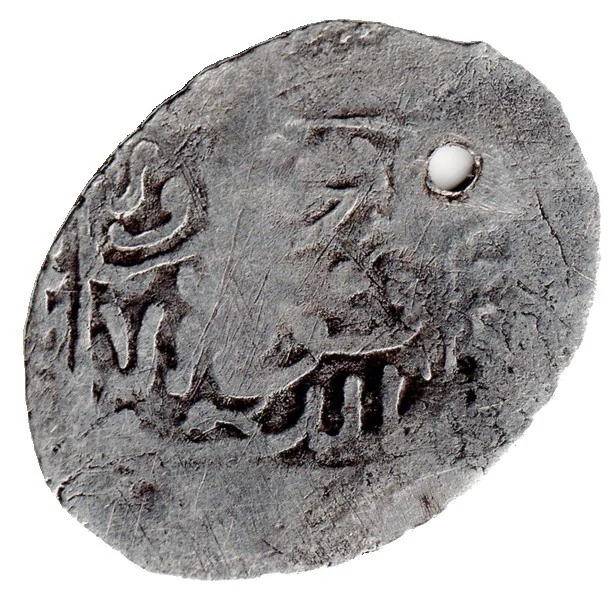
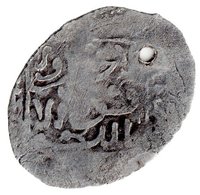
Reverse
Description:
Central inscription within a circular medallion. Ruler's name unclear.
Inscription:
لا حول ولا
قوة إلا
بالله
قوة إلا
بالله
Script: Arabic
Edge
Mintings
| Year | Mint Mark | Mintage | Quality | Collection |
|---|---|---|---|---|
| 1669 | — | — | ||
| 1670 | — | — | ||
| 1671 | — | — | ||
| 1672 | — | — |
Historical background
In 1669, Morocco's currency situation was characterized by instability and transition under the nascent Alaouite dynasty. Sultan Moulay Al-Rashid, who had recently unified much of the country, inherited a fragmented monetary system. The economy relied on a mix of older, debased silver dirhams from the preceding Saadi and Wattasid periods, alongside a flood of diverse foreign coins. Spanish pieces of eight, Ottoman sultani, and various European silver coins circulated widely, especially in coastal trading ports, undermining sovereign monetary control and creating confusion in exchange rates.
The primary challenge was a severe shortage of high-quality silver coinage, essential for both large-scale trade and state finances. The sultanate's mints, particularly in Fez and Marrakech, struggled to produce sufficient quantities of reliable currency. This scarcity was exacerbated by trade imbalances and the hoarding of precious metals. Consequently, the economy faced periods of deflation and credit contraction, hampering internal commerce and the state's ability to pay its soldiers and administrators efficiently, which was crucial for consolidating the new regime's power.
Recognizing that sound currency was foundational to political stability and economic prosperity, Moulay Al-Rashid initiated efforts to reform the monetary system. His administration worked to centralize minting operations and impose stricter standards on coin weight and purity, aiming to restore public confidence in the dirham. These reforms, continued and expanded by his successor Moulay Ismail, sought to reassert state authority over the economy, reduce dependence on foreign coinage, and lay a fiscal foundation for the powerful, centralized Moroccan state that would emerge in the decades to follow.
The primary challenge was a severe shortage of high-quality silver coinage, essential for both large-scale trade and state finances. The sultanate's mints, particularly in Fez and Marrakech, struggled to produce sufficient quantities of reliable currency. This scarcity was exacerbated by trade imbalances and the hoarding of precious metals. Consequently, the economy faced periods of deflation and credit contraction, hampering internal commerce and the state's ability to pay its soldiers and administrators efficiently, which was crucial for consolidating the new regime's power.
Recognizing that sound currency was foundational to political stability and economic prosperity, Moulay Al-Rashid initiated efforts to reform the monetary system. His administration worked to centralize minting operations and impose stricter standards on coin weight and purity, aiming to restore public confidence in the dirham. These reforms, continued and expanded by his successor Moulay Ismail, sought to reassert state authority over the economy, reduce dependence on foreign coinage, and lay a fiscal foundation for the powerful, centralized Moroccan state that would emerge in the decades to follow.

✨ Legendary