

2 Bolognini – Bologna
Italy
Context
Years: 1712–1716
Country: Italy 
Issuer: Bologna
Ruler: Clement XI
Currency:
(1534—1835)
Demonetized: Yes
Material
References
KM: #Click to copy to clipboard150
Numista: #152990
Obverse
Description:
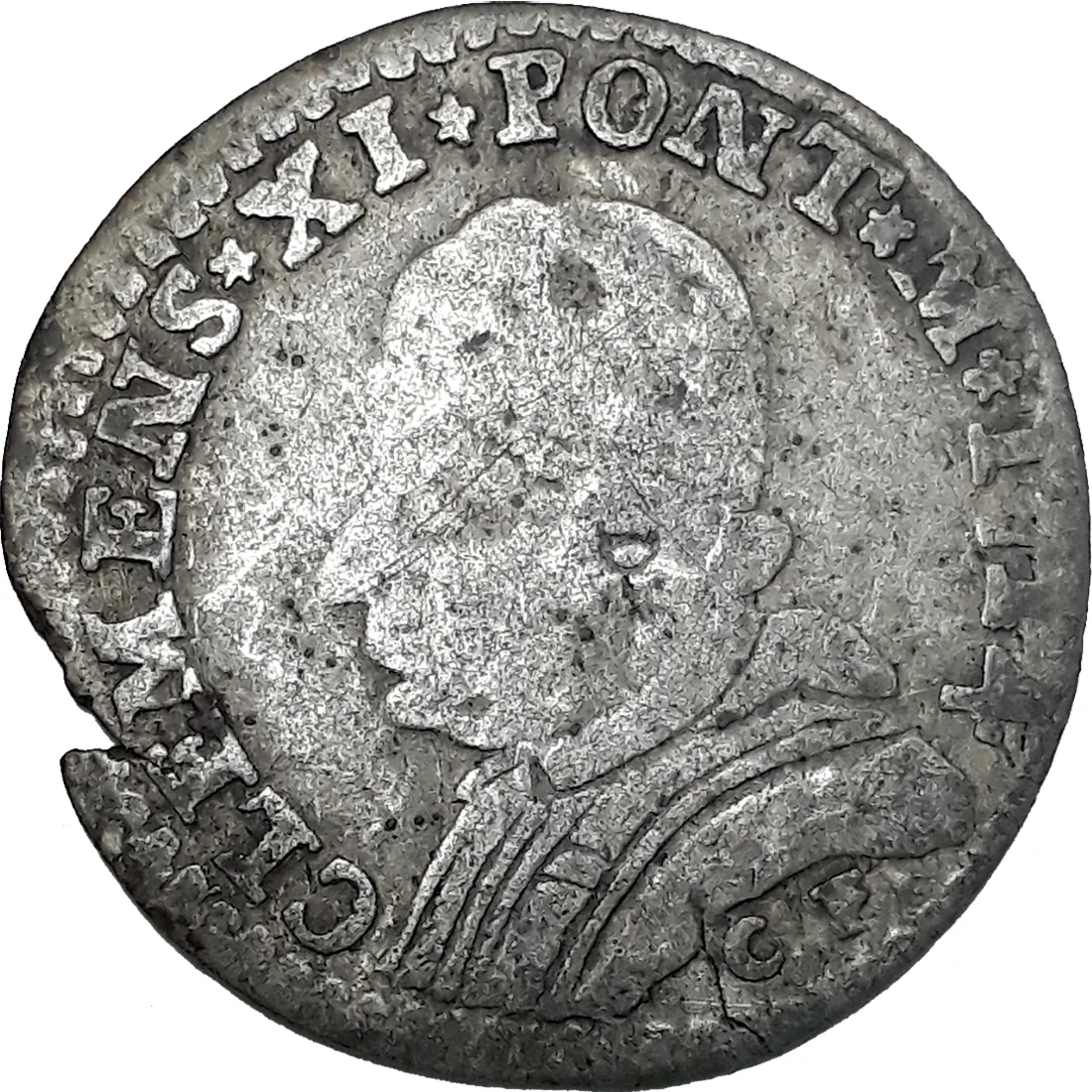
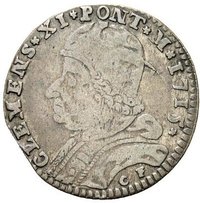
Pope Clement XI left, date and legend around, mintmaster's initials below.
Inscription:
CLEMENS • XI • PONT • M • 1714
CF
CF
Script: Latin
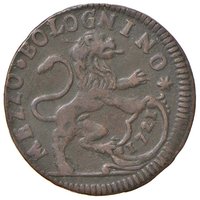
Reverse
Description:
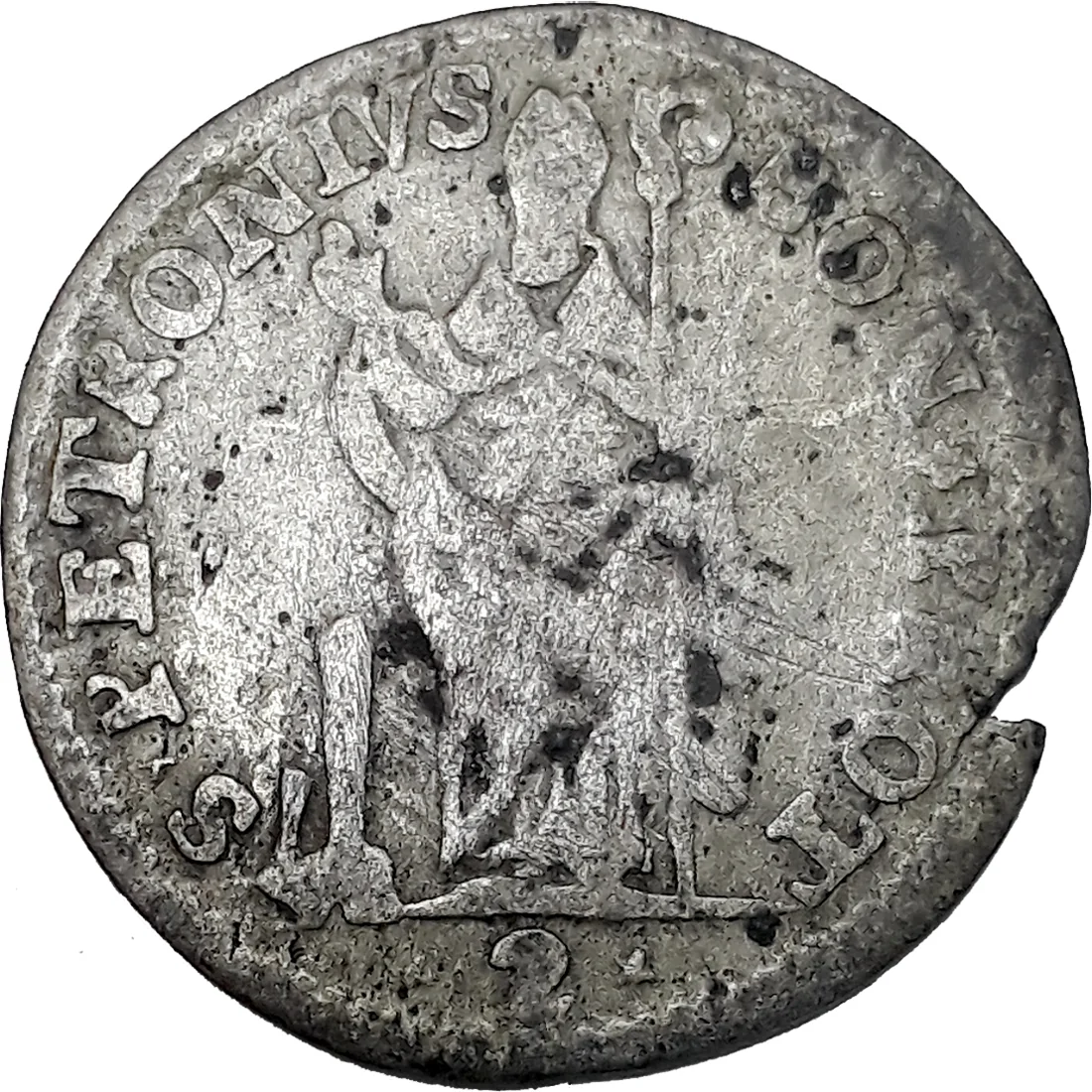
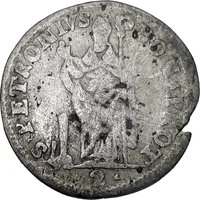
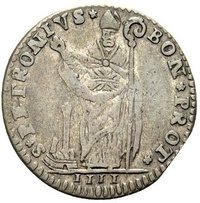
St. Petronius holding crosier. Value beneath.
Inscription:
S • PETRONIVS BON • PROT
• 2 •
• 2 •
Script: Latin
Edge
Categories
| Religion> Religious objects |
| Person> Monarch |
| Person> Religious figure |
| Object> Hat |
Mints
| Name | Mark |
|---|---|
| Bologna | — |
Mintings
| Year | Mint Mark | Mintage | Quality | Collection |
|---|---|---|---|---|
| 1712 | — | — | ||
| 1713 | — | — | ||
| 1714 | — | — | ||
| 1715 | — | — | ||
| 1716 | — | — |
Historical background
In 1712, Bologna existed within a complex and fragmented monetary landscape, typical of the Italian Peninsula before unification. The city was part of the Papal States, and as such, the official currency was the Papal scudo, a silver coin. However, Bologna retained significant local autonomy, including the right to mint its own subsidiary coins, such as the lira bolognese, soldo, and denaro. This created a dual system where accounts were often kept in the local lira, but larger transactions, especially those involving trade or state finance, were conducted in the more universally accepted Papal scudi.
The practical currency situation on the ground was one of considerable confusion due to the simultaneous circulation of numerous foreign coins. Neighboring states like the Republic of Venice (ducats), the Duchy of Milan (lire), and the Grand Duchy of Tuscany (florins) all saw their currencies flow across borders through commerce. Furthermore, older, debased coins from previous papal administrations and even clipped or counterfeit coins remained in circulation. This necessitated the constant work of money-changers (banchi di cambio) and published tariff lists to establish the ever-fluctuating exchange rates between these myriad metallic coins.
This monetary heterogeneity posed significant challenges to trade and daily life. Prices were unstable, and disputes over the intrinsic silver or gold content of coins were common. The situation was a direct reflection of Bologna’s political reality: a city with a proud independent tradition now under the sovereignty of a distant papal authority in Rome. The currency chaos of 1712 was, therefore, not merely an economic issue but a tangible manifestation of the layered and contested sovereignties that characterized the era, where local identity and imperial control met in the marketplace.
The practical currency situation on the ground was one of considerable confusion due to the simultaneous circulation of numerous foreign coins. Neighboring states like the Republic of Venice (ducats), the Duchy of Milan (lire), and the Grand Duchy of Tuscany (florins) all saw their currencies flow across borders through commerce. Furthermore, older, debased coins from previous papal administrations and even clipped or counterfeit coins remained in circulation. This necessitated the constant work of money-changers (banchi di cambio) and published tariff lists to establish the ever-fluctuating exchange rates between these myriad metallic coins.
This monetary heterogeneity posed significant challenges to trade and daily life. Prices were unstable, and disputes over the intrinsic silver or gold content of coins were common. The situation was a direct reflection of Bologna’s political reality: a city with a proud independent tradition now under the sovereignty of a distant papal authority in Rome. The currency chaos of 1712 was, therefore, not merely an economic issue but a tangible manifestation of the layered and contested sovereignties that characterized the era, where local identity and imperial control met in the marketplace.
✨ Legendary