

1 Kreuzer – Austrian Empire
Austria
Context
Year: 1695
Country: Austria 
Issuer: Austrian Empire
Ruler: Leopold I
Currency:
(1520—1754)
Demonetized: Yes
Material
References
KM: #Click to copy to clipboard1229
Numista: #152720
Value
Bullion value: $2.45
Obverse
Description:
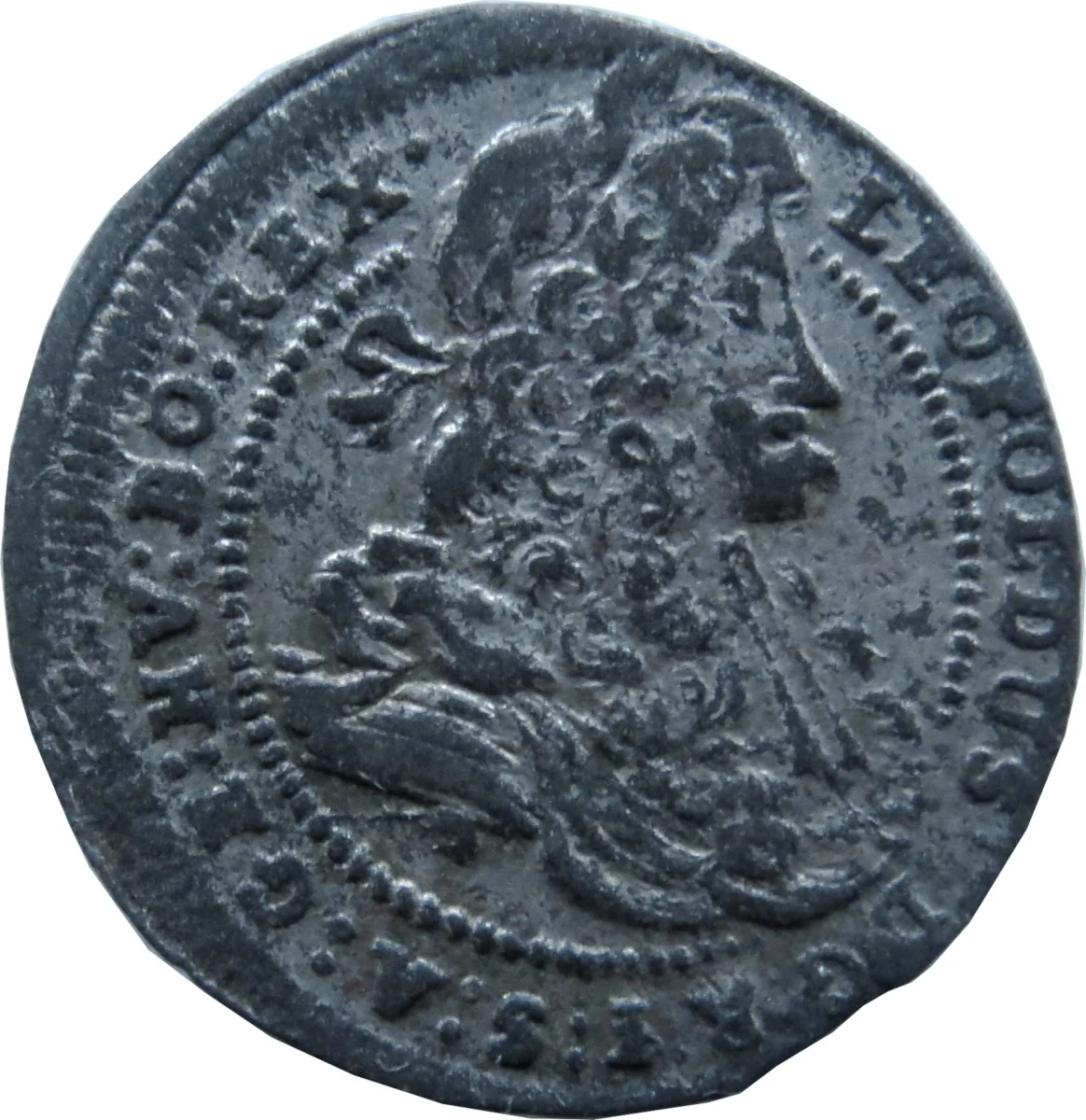
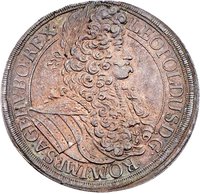
Laureate portrait of Leopold I facing right. Legend above: "Deo Gratia Romanorum Imperator Semper Augustus Germaniae Hungariae Bohemiaeque Rex." Bust truncation breaks inner pearl circle.
Inscription:
LEOPOLDVS D.G.R.I.S.A.GE.H.BO.REX.
Script: Latin
Reverse
Description:
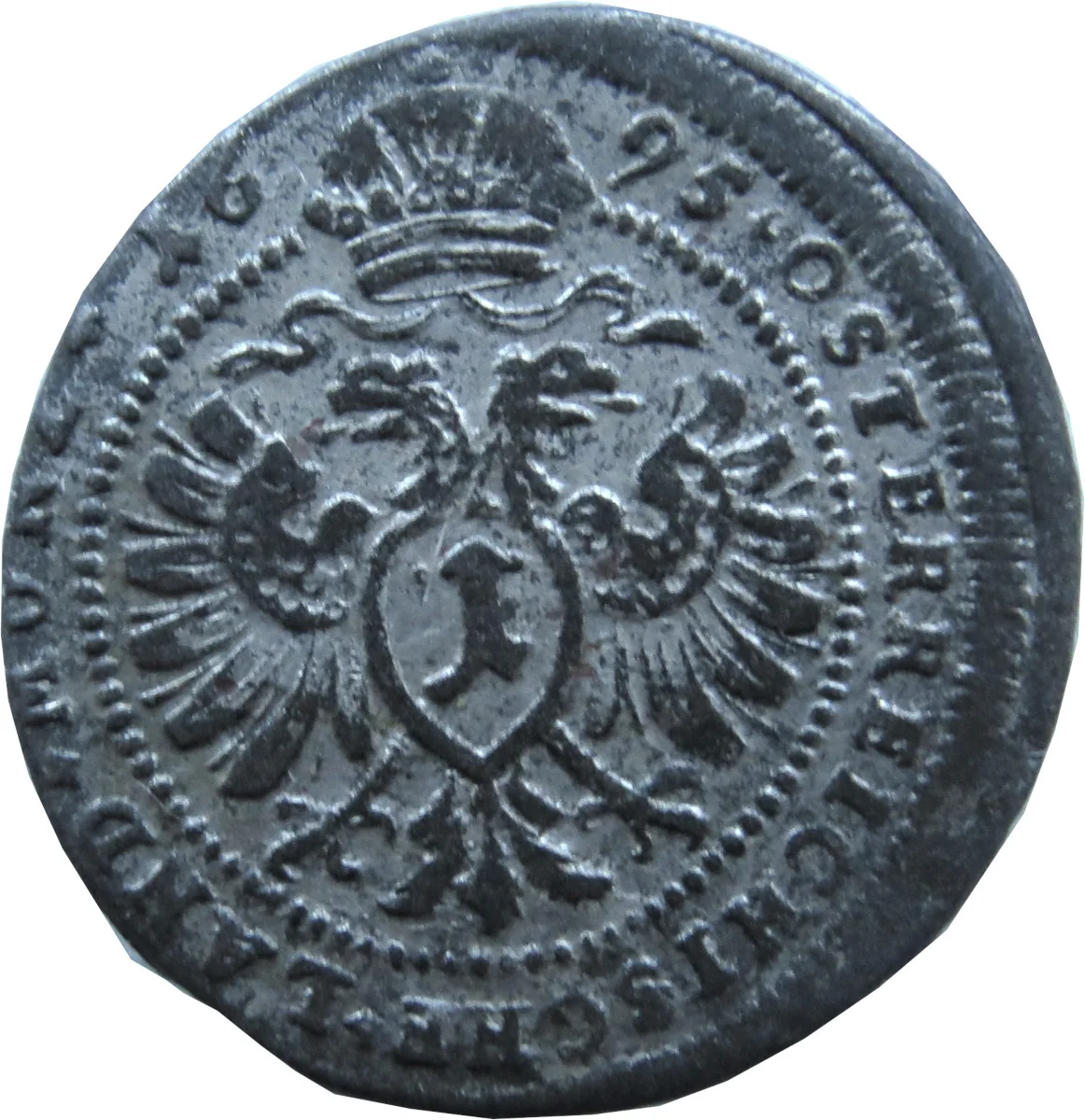
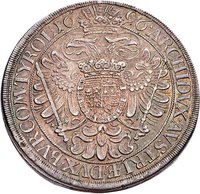
Crowned double-headed eagle encircled, crown dividing date, value on breast.
Inscription:
ÖSTERREICHISCHE LANDMÜNZ
Script: Latin
Edge
Mints
| Name | Mark |
|---|---|
| Münze Österreich | — |
Mintings
| Year | Mint Mark | Mintage | Quality | Collection |
|---|---|---|---|---|
| 1695 | — | — |
Historical background
In 1695, the Habsburg monarchy of the Austrian Empire was grappling with a severe and protracted currency crisis, a direct consequence of its enormous financial burdens from the ongoing Great Turkish War (1683-1699) and the Nine Years' War (1688-1697). The state's relentless need to fund its massive armies led to chronic budget deficits, which the court in Vienna addressed not through taxation but through the systematic debasement of the coinage. The government, operating the mint as a key source of revenue, repeatedly reduced the silver content in coins like the thaler and kreuzer, flooding the economy with inferior money.
This practice triggered Gresham's Law, where "bad money drives out good." Older, higher-silver coins were hoarded, melted down, or exported, leaving only the debased currency in daily circulation. The result was rampant price inflation, a collapse in public trust in the currency, and severe disruption to trade and wages. The situation was exacerbated by a patchwork of regional monetary systems, as the Kingdom of Hungary and the Austrian hereditary lands often operated with different standards, further complicating commerce and central fiscal policy.
The crisis of 1695 represented a pivotal moment, highlighting the limits of coinage debasement as fiscal policy. It pushed the government, particularly under the influence of officials like Samuel von Oppenheimer, the court banker, toward seeking alternative financing methods. The experience of this period laid the groundwork for later, more sophisticated financial innovations, including the establishment of the Vienna City Bank (Wiener Stadtbank) in 1703, which aimed to stabilize state credit and move away from the destructive cycle of currency manipulation.
This practice triggered Gresham's Law, where "bad money drives out good." Older, higher-silver coins were hoarded, melted down, or exported, leaving only the debased currency in daily circulation. The result was rampant price inflation, a collapse in public trust in the currency, and severe disruption to trade and wages. The situation was exacerbated by a patchwork of regional monetary systems, as the Kingdom of Hungary and the Austrian hereditary lands often operated with different standards, further complicating commerce and central fiscal policy.
The crisis of 1695 represented a pivotal moment, highlighting the limits of coinage debasement as fiscal policy. It pushed the government, particularly under the influence of officials like Samuel von Oppenheimer, the court banker, toward seeking alternative financing methods. The experience of this period laid the groundwork for later, more sophisticated financial innovations, including the establishment of the Vienna City Bank (Wiener Stadtbank) in 1703, which aimed to stabilize state credit and move away from the destructive cycle of currency manipulation.
💎 Extremely Rare