

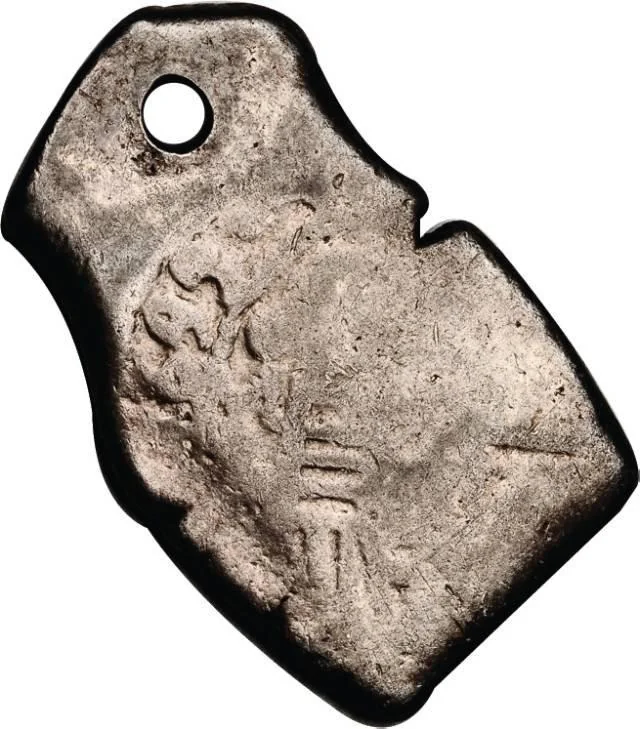
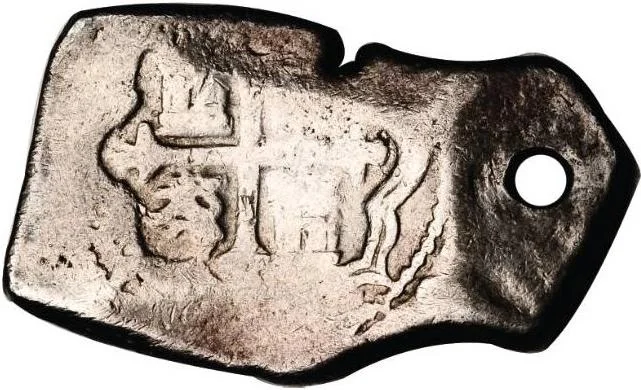
8 Reales – New Spain
Mexico
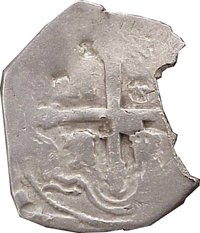
Obverse
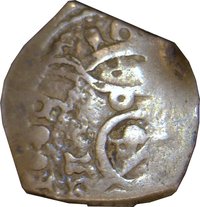
Reverse
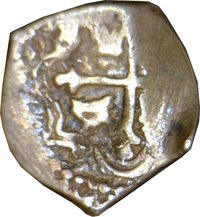
Edge
Mintings
| Year | Mint Mark | Mintage | Quality | Collection |
|---|---|---|---|---|
| 1667 | G | — | ||
| 1668 | G | — | ||
| 1669 | G | — | ||
| 1670 | G | — | ||
| 1671 | G | — | ||
| 1672 | G | — | ||
| 1673 | G | — | ||
| 1674 | G | — | ||
| 1675 | G | — | ||
| 1676 | G | — | ||
| 1677 | L | — | ||
| 1678 | L | — | ||
| 1679 | L | — | ||
| 1680 | L | — | ||
| 1681 | L | — | ||
| 1682 | L | — | ||
| 1683 | L | — | ||
| 1684 | L | — | ||
| 1685 | L | — | ||
| 1687 | L | — | ||
| 1688 | L | — | ||
| 1689 | L | — | ||
| 1690 | L | — | ||
| 1691 | L | — | ||
| 1692 | L | — | ||
| 1694 | L | — | ||
| 1695 | L | — | ||
| 1698 | L | — | ||
| 1699 | L | — | ||
| 1700 | L | — | ||
| 1701 | L | — |
Historical background
In 1667, the currency system of New Spain was a complex and often chaotic reflection of its booming but strained colonial economy. The primary circulating coin was the silver real, with the famous piece of eight (8 reales) serving as the standard international trade coin, highly prized from Europe to Asia. However, a severe and chronic shortage of small-denomination coins plagued daily commerce. This was due to the Crown's policy of prioritizing the shipment of silver to Spain as bullion or high-value coins, leaving the local economy starved for fractional currency. To facilitate everyday transactions, people resorted to cutting silver coins into pieces (giving rise to terms like "bits") or using unofficial tokens, leading to confusion and fraud.
The situation was further complicated by the circulation of debased and counterfeit coins. While the Mexico City mint produced high-quality coins, the vast geography and lucrative temptation led to widespread clipping (shaving metal from coin edges) and the production of illicit coins with lower silver content. Additionally, a significant amount of worn and defaced coinage from earlier reigns remained in circulation, creating a confusing mix of values. The authorities, recognizing the problem, had attempted reforms, such as the establishment of a new mint in 1732 (still decades in the future from 1667), but in the mid-17th century, enforcement was inconsistent, and the monetary chaos persisted.
This unstable currency environment directly impacted all levels of society. It created uncertainty in markets, hindered tax collection for the Crown, and allowed for exploitation by merchants and officials who could manipulate rates for different coin types. For the vast majority of people, the coin shortage meant that barter remained a common practice for ordinary goods, despite the colony being the heart of global silver production. Thus, in 1667, New Spain presented a paradoxical financial landscape: the source of immense silver wealth was simultaneously a place where sound, trustworthy small change was a daily struggle for its inhabitants.
The situation was further complicated by the circulation of debased and counterfeit coins. While the Mexico City mint produced high-quality coins, the vast geography and lucrative temptation led to widespread clipping (shaving metal from coin edges) and the production of illicit coins with lower silver content. Additionally, a significant amount of worn and defaced coinage from earlier reigns remained in circulation, creating a confusing mix of values. The authorities, recognizing the problem, had attempted reforms, such as the establishment of a new mint in 1732 (still decades in the future from 1667), but in the mid-17th century, enforcement was inconsistent, and the monetary chaos persisted.
This unstable currency environment directly impacted all levels of society. It created uncertainty in markets, hindered tax collection for the Crown, and allowed for exploitation by merchants and officials who could manipulate rates for different coin types. For the vast majority of people, the coin shortage meant that barter remained a common practice for ordinary goods, despite the colony being the heart of global silver production. Thus, in 1667, New Spain presented a paradoxical financial landscape: the source of immense silver wealth was simultaneously a place where sound, trustworthy small change was a daily struggle for its inhabitants.
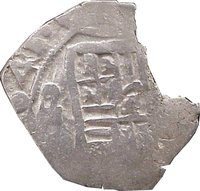
💎 Extremely Rare