

8 reales – New Spain
Add to wishlist
Mexico
Context
Material
Diameter: 39 mm
Weight: 26.73 g
Silver Weight:: 24.87 g
Shape: Irregular round
Composition: 93.06% Silver
Magnetic: No
Technique: Hammered
Alignment: Medal alignment
flip
References
KM: #
Numista: #15000
Value
Bullion value: $63.32
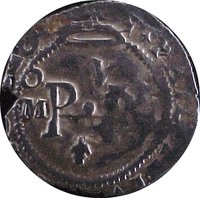
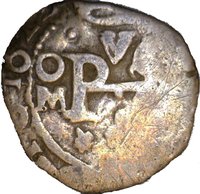
Obverse
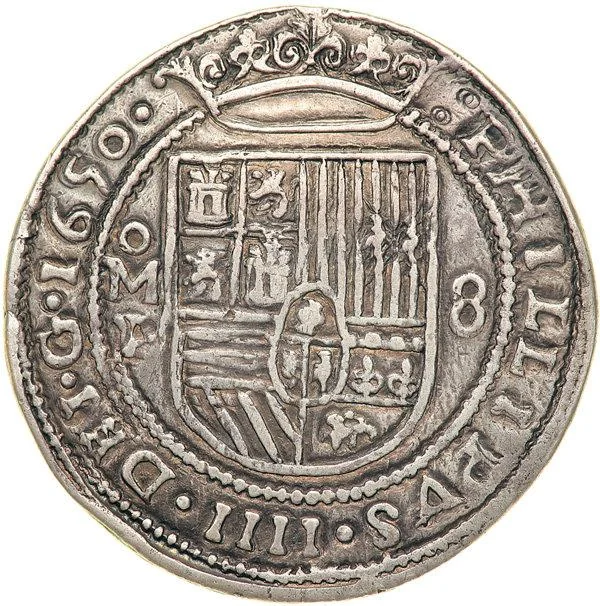
Inscription:
PHILLIPVS·IIII·DEI·G·1650·
Mo 8
Mo 8
Script: Latin
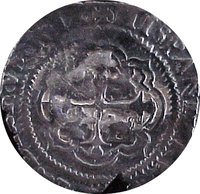
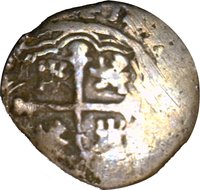
Reverse
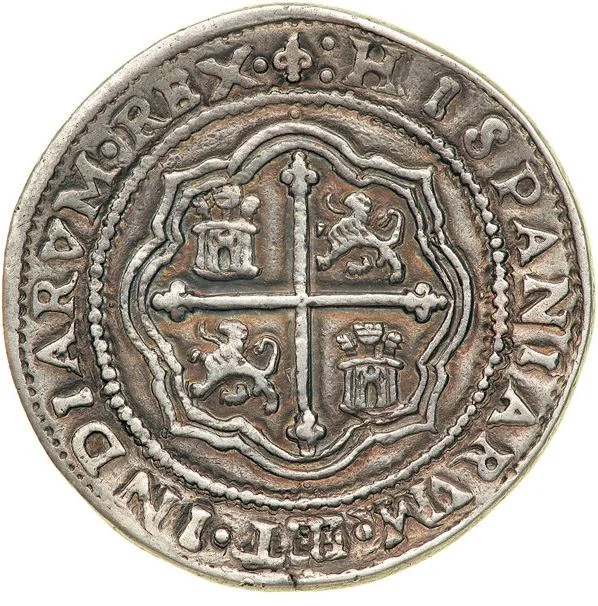
Inscription:
:HISPANIARVM·ET·INDIARVM·REX·
Script: Latin
Edge
Mints
| Name | Mark |
|---|---|
| Mexican Mint | Mo |
Mintings
| Year | Mint Mark | Mintage | Quality | Collection |
|---|---|---|---|---|
| 1621 | D | — | ||
| 1622 | D | — | ||
| 1623 | D | — | ||
| 1624 | D | — | ||
| 1625 | D | — | ||
| 1626 | D | — | ||
| 1628 | D | — | ||
| 1629 | D | — | ||
| 1630 | D | — | ||
| 1631 | D | — | ||
| 1632 | D | — | ||
| 1634 | P | — | ||
| 1635 | P | — | ||
| 1636 | P | — | ||
| 1637 | P | — | ||
| 1638 | P | — | ||
| 1639 | P | — | ||
| 1640 | P | — | ||
| 1641 | P | — | ||
| 1642 | P | — | ||
| 1643 | P | — | ||
| 1644 | D | — | ||
| 1646 | P | — | ||
| 1647 | P | — | ||
| 1648 | P | — | ||
| 1649 | P | — | ||
| 1650 | P | — | ||
| 1651 | P | — | ||
| 1652 | P | — | ||
| 1653 | P | — | ||
| 1654 | P | — | ||
| 1655 | P | — | ||
| 1656 | P | — | ||
| 1657 | P | — | ||
| 1658 | P | — | ||
| 1659 | P | — | ||
| 1660 | P | — | ||
| 1662 | P | — | ||
| 1663 | P | — | ||
| 1664 | P | — | ||
| 1665 | P | — | ||
| 1666 | G | — | ||
| 1667 | G | — |
Historical background
In 1621, the currency situation in the Viceroyalty of New Spain was defined by a persistent and debilitating shortage of official coinage, a problem rooted in the colony's economic structure. While silver from mines like Potosí and Zacatecas flowed abundantly, much of it was immediately earmarked for the Spanish Crown as royal revenue (the quinto real) and shipped to Seville as bullion or crude coin, leaving the local economy starved for circulating medium. This chronic scarcity was exacerbated by a massive outflow of silver to Asia via the Manila Galleon trade, where it was exchanged for Chinese goods, further draining specie from New Spain.
The vacuum created by this shortage was filled by a chaotic and problematic system of alternative currencies. The most widespread was cacao beans, used for small, everyday transactions, but this primitive form was unreliable due to spoilage and fluctuating harvests. More significantly, a vast quantity of irregular and debased coins circulated illegally. These included tlacos (crude copper tokens issued by merchants and municipalities), pilones (clipped or cut pieces of silver coins), and a flood of counterfeit reales from clandestine mints. This proliferation undermined trust in the monetary system, complicated commerce, and led to constant disputes over the value and authenticity of payments.
The year 1621 itself fell within a period of attempted reform under King Philip IV and his minister, the Count-Duke of Olivares. The Crown, aware of the disorder, had long sought to centralize minting and suppress illegal currencies, but enforcement from Madrid was weak and local interests were entrenched. The primary response—periodic attempts to call in and remint all circulating coinage—often failed due to public resistance and logistical hurdles. Thus, the monetary landscape remained a contradictory mix of immense silver wealth and daily transactional hardship, a system both fueling and frustrating one of the empire's most vital economic engines.
The vacuum created by this shortage was filled by a chaotic and problematic system of alternative currencies. The most widespread was cacao beans, used for small, everyday transactions, but this primitive form was unreliable due to spoilage and fluctuating harvests. More significantly, a vast quantity of irregular and debased coins circulated illegally. These included tlacos (crude copper tokens issued by merchants and municipalities), pilones (clipped or cut pieces of silver coins), and a flood of counterfeit reales from clandestine mints. This proliferation undermined trust in the monetary system, complicated commerce, and led to constant disputes over the value and authenticity of payments.
The year 1621 itself fell within a period of attempted reform under King Philip IV and his minister, the Count-Duke of Olivares. The Crown, aware of the disorder, had long sought to centralize minting and suppress illegal currencies, but enforcement from Madrid was weak and local interests were entrenched. The primary response—periodic attempts to call in and remint all circulating coinage—often failed due to public resistance and logistical hurdles. Thus, the monetary landscape remained a contradictory mix of immense silver wealth and daily transactional hardship, a system both fueling and frustrating one of the empire's most vital economic engines.
💎 Very Rare