

½ ore – Sweden
Add to wishlist
Sweden
Context
Material
References
KM: #
Numista: #148782
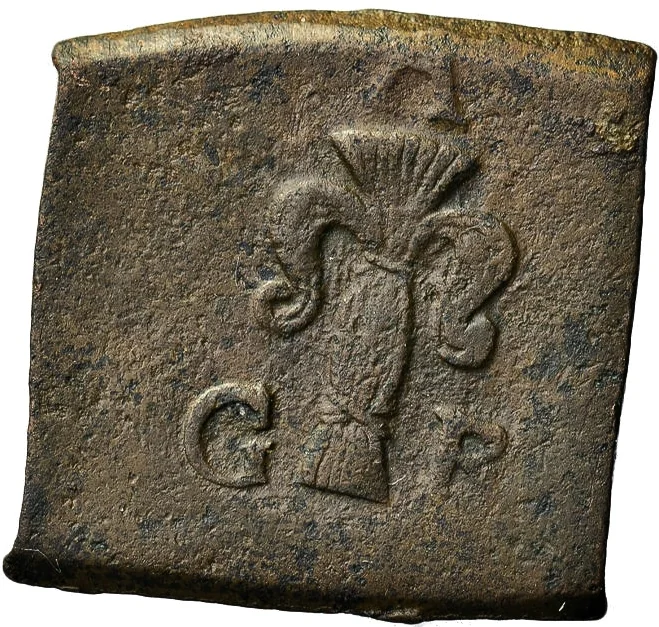
Obverse
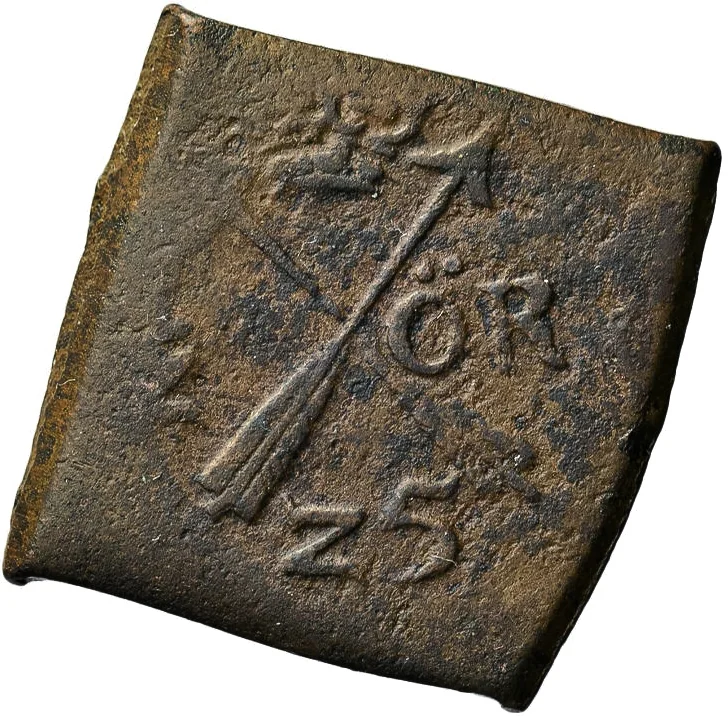
Reverse
Description:
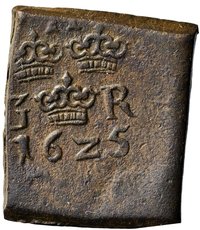
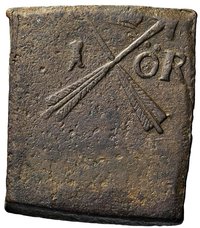
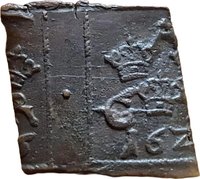
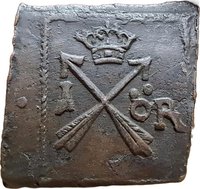
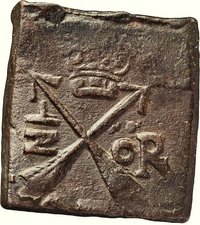
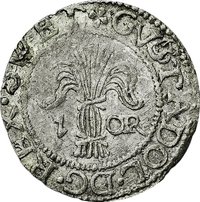
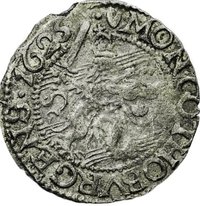
Crossed arrows flank the value. Above is the Swedish royal crown; below, between the arrows, are the date's last two digits.
Inscription:
1/2 ÖR
Z5
Z5
Script: Latin
Edge
Mintings
| Year | Mint Mark | Mintage | Quality | Collection |
|---|---|---|---|---|
| 1625 | — | — | ||
| 1626 | — | — | ||
| 1627 | — | — |
Historical background
In 1625, Sweden was in the midst of the transformative and expansionist reign of Gustavus Adolphus (Gustav II Adolf). The kingdom's currency system was complex and strained, characterized by a dual circulation of domestic and foreign coin. The official currency was based on the silver daler, but a severe shortage of precious metals, especially silver, meant that actual minted daler coins were scarce in everyday use. Instead, a multitude of lower-value copper öre and runstycken coins, along with a flood of foreign coins—particularly German, Dutch, and Polish—facilitated most trade, leading to confusion and inefficiency.
This monetary fragmentation was exacerbated by the financial demands of near-constant warfare. Sweden was actively engaged in the Polish-Swedish War and was preparing for deeper involvement in the Thirty Years' War. To fund massive military expenditures, the crown repeatedly resorted to currency debasement, reducing the silver content in coins to create more money from limited bullion reserves. This practice, while providing short-term liquidity, eroded public trust in the coinage and spurred inflation, as people hoarded older, purer coins.
Consequently, the year 1625 represents a point of mounting pressure within a deteriorating system. The economic strains of war financing highlighted the inadequacy of the existing monetary framework. This crisis would soon lead to a radical and defining solution: the 1624 myntordningen (coinage ordinance) had already laid the groundwork, but it was the decision in 1625 to fully commit to a revolutionary copper standard that would soon reshape Sweden's economy. This move, formalized in the coming years, aimed to stabilize the currency by exploiting Sweden's vast domestic copper resources, ultimately leading to the famous and cumbersome copper plate money.
This monetary fragmentation was exacerbated by the financial demands of near-constant warfare. Sweden was actively engaged in the Polish-Swedish War and was preparing for deeper involvement in the Thirty Years' War. To fund massive military expenditures, the crown repeatedly resorted to currency debasement, reducing the silver content in coins to create more money from limited bullion reserves. This practice, while providing short-term liquidity, eroded public trust in the coinage and spurred inflation, as people hoarded older, purer coins.
Consequently, the year 1625 represents a point of mounting pressure within a deteriorating system. The economic strains of war financing highlighted the inadequacy of the existing monetary framework. This crisis would soon lead to a radical and defining solution: the 1624 myntordningen (coinage ordinance) had already laid the groundwork, but it was the decision in 1625 to fully commit to a revolutionary copper standard that would soon reshape Sweden's economy. This move, formalized in the coming years, aimed to stabilize the currency by exploiting Sweden's vast domestic copper resources, ultimately leading to the famous and cumbersome copper plate money.
Series: 1625 Sweden circulation coins

✨ Legendary