

2 skilling – Denmark
Add to wishlist
Denmark
Context
References
KM: #
Numista: #145808
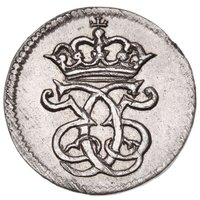
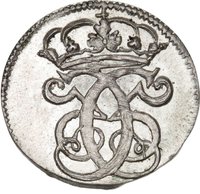
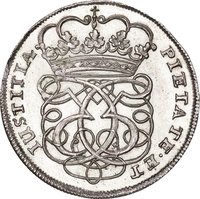
Obverse
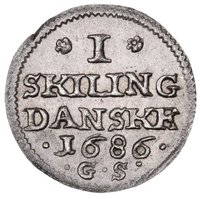
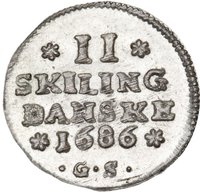
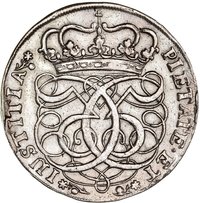
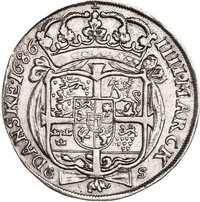
Reverse
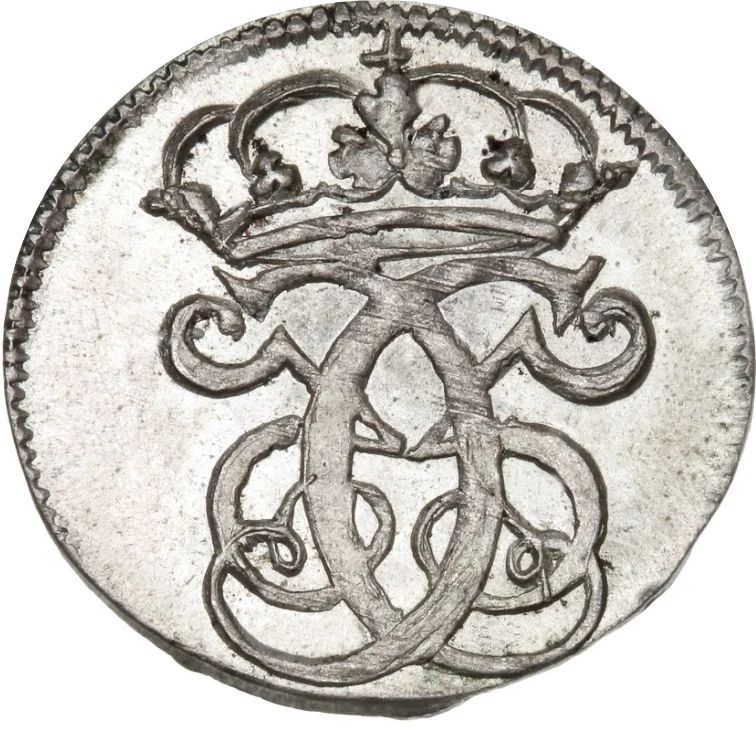
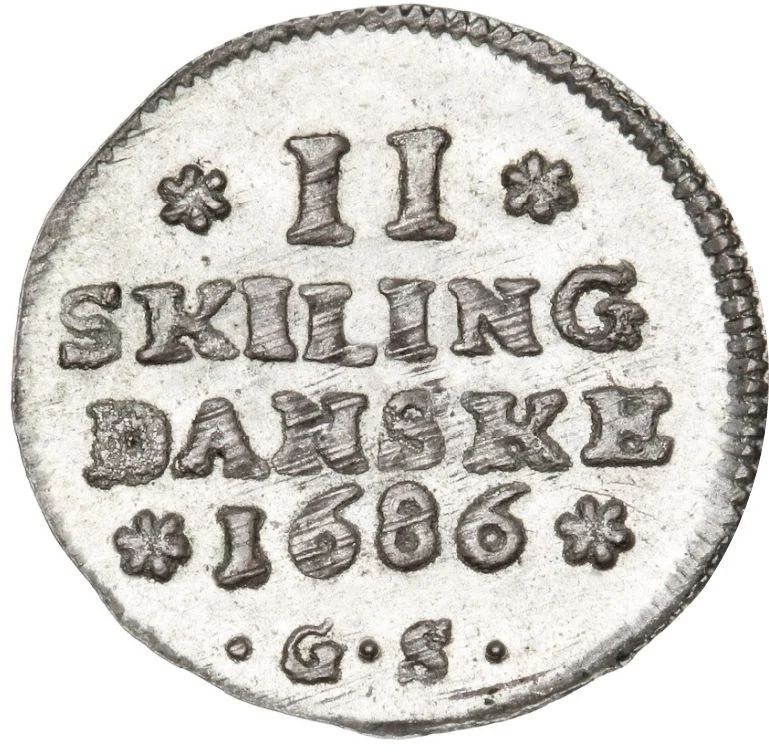
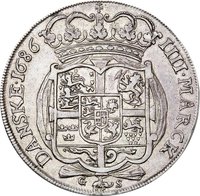
Description:
Value, date.
Four lines.
Mintmaster initials below.
Four lines.
Mintmaster initials below.
Inscription:
.II.
SKILLING
DANSKE
.1686.
GS
SKILLING
DANSKE
.1686.
GS
Script: Latin
Edge
Mints
| Name | Mark |
|---|---|
| Copenhagen | — |
Mintings
| Year | Mint Mark | Mintage | Quality | Collection |
|---|---|---|---|---|
| 1686 | — | — |
Historical background
In 1686, Denmark operated under a complex and strained monetary system, a legacy of the costly wars and economic policies of the preceding decades. The official currency was based on the silver rigsdaler, but the state's chronic need for revenue had led to repeated debasements. The government frequently issued lightweight or adulterated coins, while also circulating a plethora of older, heavier coins from earlier periods and foreign currencies, particularly from the German states. This created a chaotic environment where the intrinsic silver content of a coin (its real value) often differed significantly from its official face value, leading to widespread confusion, hoarding of good coins, and public distrust.
King Christian V and his advisors were acutely aware of these problems, which hampered trade and state finances. The year 1686 fell within a period of attempted monetary reform, following a major currency regulation in 1683. That earlier reform had aimed to standardise the system by introducing new, pure silver coins like the kurantdaler and establishing a fixed exchange rate between silver and the previously over-issued copper money. However, the process was slow and difficult. In practice, the monetary chaos persisted, as old coins remained in circulation and the government's fiscal pressures continued.
Therefore, the currency situation in 1686 was one of transition and ongoing difficulty. While the crown had laid a legislative framework for a more stable, silver-based system, the tangible reality for merchants and the public was still a fragmented and unreliable currency. This instability underscored the broader challenges of mercantilist state finance and the practical difficulties of implementing centralised monetary control in a pre-modern economy, a struggle that would continue for years to come.
King Christian V and his advisors were acutely aware of these problems, which hampered trade and state finances. The year 1686 fell within a period of attempted monetary reform, following a major currency regulation in 1683. That earlier reform had aimed to standardise the system by introducing new, pure silver coins like the kurantdaler and establishing a fixed exchange rate between silver and the previously over-issued copper money. However, the process was slow and difficult. In practice, the monetary chaos persisted, as old coins remained in circulation and the government's fiscal pressures continued.
Therefore, the currency situation in 1686 was one of transition and ongoing difficulty. While the crown had laid a legislative framework for a more stable, silver-based system, the tangible reality for merchants and the public was still a fragmented and unreliable currency. This instability underscored the broader challenges of mercantilist state finance and the practical difficulties of implementing centralised monetary control in a pre-modern economy, a struggle that would continue for years to come.
Series: 1686 Denmark circulation coins

💎 Extremely Rare