

1 mark – Denmark
Add to wishlist
Denmark
Context
Material
References
KM: #
Numista: #145642
Value
Bullion value: $9.41
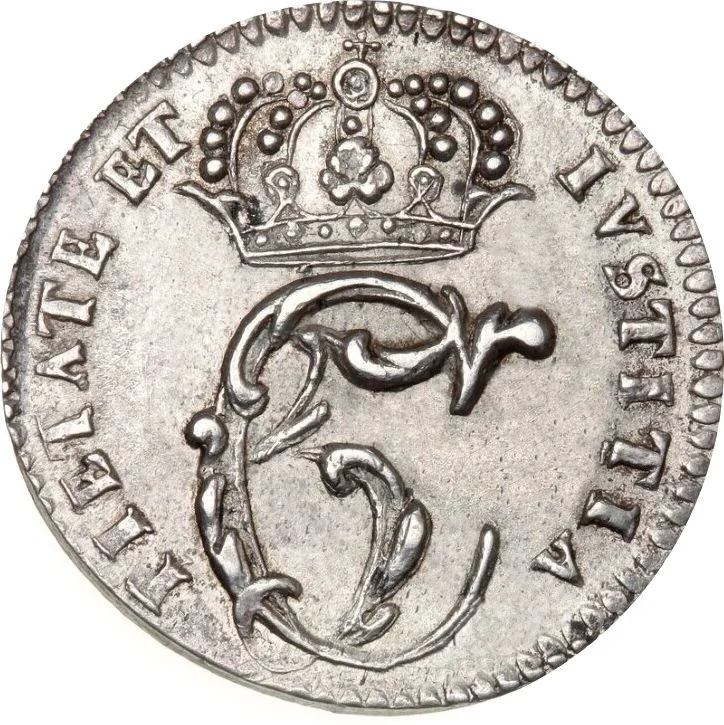
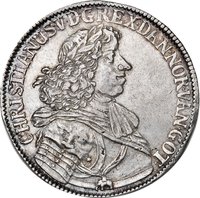
Obverse
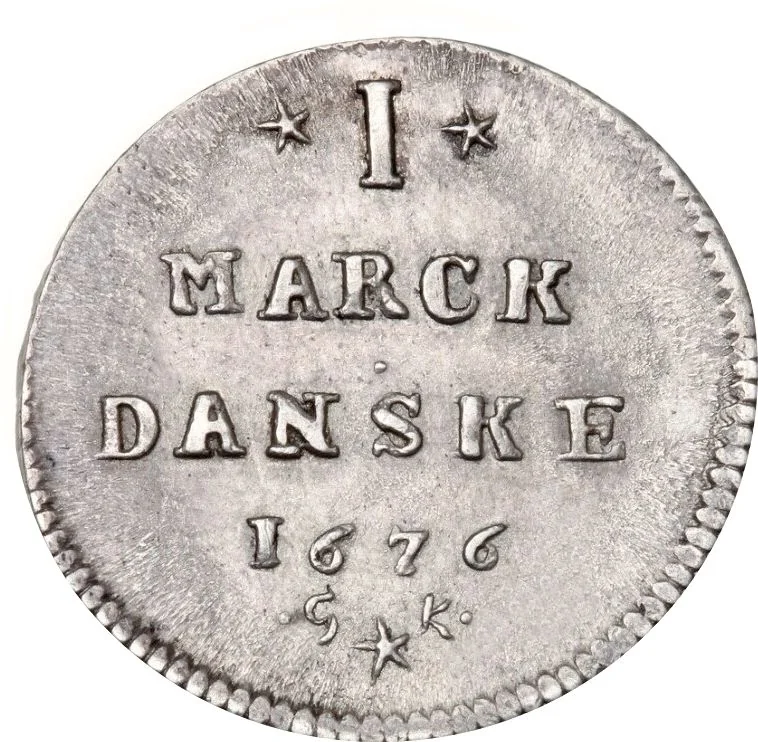
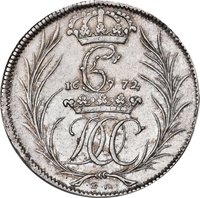
Reverse
Description:
Value and date
on four lines.
Mintmaster's initials
below.
on four lines.
Mintmaster's initials
below.
Inscription:
* I *
MARK
DANSKE
1676
G K
*
MARK
DANSKE
1676
G K
*
Script: Latin
Edge
Mints
| Name | Mark |
|---|---|
| Copenhagen | GK |
Historical background
In 1672, Denmark operated under a bimetallic monetary system, where both silver and gold coins were legal tender, but their values were officially set by the royal government. The primary unit of account was the rigsdaler, a large silver coin, which was subdivided into marks and skilling. However, the kingdom faced significant and chronic challenges with currency instability. Decades of war and fiscal strain had led successive monarchs, particularly King Christian IV, to repeatedly debase the coinage—reducing its precious metal content—to fund state expenses. This created a complex and unreliable currency landscape where older, purer coins were often hoarded or melted down, while newer, weaker coins circulated at a discount, causing inflation and public distrust.
The situation was further complicated by the circulation of numerous foreign coins, especially from the German states and the Dutch Republic, which were essential for international trade but fluctuated in value against the official Danish currency. This period also saw the widespread use of klippe coins—square coins struck from cut sheets of metal—often issued during emergencies. By 1672, the monetary system was fragmented and inefficient, hampering commerce and state revenue collection.
Recognizing these systemic failures, the Danish state was on the cusp of major reform. In 1671, King Christian V had initiated preparations for a comprehensive recoinage and standardization, which would culminate in the Currency Regulation of 1673. Therefore, the background for 1672 is one of a strained and chaotic system in its final years, with the government actively planning to replace the debased and varied coins with a new, unified, and stable currency based on a fixed silver standard, aiming to restore both royal finances and public confidence.
The situation was further complicated by the circulation of numerous foreign coins, especially from the German states and the Dutch Republic, which were essential for international trade but fluctuated in value against the official Danish currency. This period also saw the widespread use of klippe coins—square coins struck from cut sheets of metal—often issued during emergencies. By 1672, the monetary system was fragmented and inefficient, hampering commerce and state revenue collection.
Recognizing these systemic failures, the Danish state was on the cusp of major reform. In 1671, King Christian V had initiated preparations for a comprehensive recoinage and standardization, which would culminate in the Currency Regulation of 1673. Therefore, the background for 1672 is one of a strained and chaotic system in its final years, with the government actively planning to replace the debased and varied coins with a new, unified, and stable currency based on a fixed silver standard, aiming to restore both royal finances and public confidence.

✨ Legendary