



4¾ stuiver – Ceylon
Add to wishlist
Sri Lanka
Context
Material
Weight: 63.41 g
Thickness: 5 mm
Shape: Irregular rectangular
Composition: Copper
Magnetic: No
Alignment: Coin alignment

flip

References
KM: #
Numista: #144291
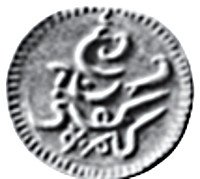
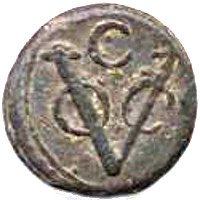
Obverse
Description:
Personalized initials on items
Inscription:
4 3/4
ST
C
VOC
ST
C
VOC
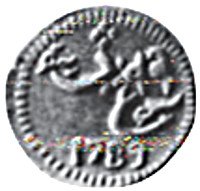
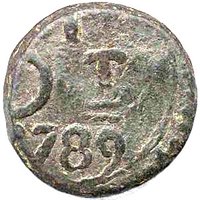
Reverse
Description:
Personalized initials on items
Inscription:
4 3/4
ST
C
VOC
ST
C
VOC
Edge
Plain
Mintings
| Year | Mint Mark | Mintage | Quality | Collection |
|---|---|---|---|---|
| 1785 | — | — |
Historical background
In 1785, Ceylon (modern Sri Lanka) was a divided island under competing colonial powers, resulting in a complex and fragmented currency situation. The Dutch East India Company (VOC) controlled the lucrative coastal provinces, known as the Maritime Provinces, while the Kingdom of Kandy held the interior highlands. The Dutch administration officially promoted the use of its own currency—the Dutch guilder and stuiver—for official transactions and trade. However, the reality was a messy circulation of diverse coins, including Spanish silver dollars (pieces of eight), Indian gold pagodas, and various smaller Indian and Portuguese coins, reflecting the island's position within broader Indian Ocean trade networks.
This monetary heterogeneity created significant challenges for both commerce and administration. The fluctuating values of these foreign coins, alongside the persistent problem of worn and clipped currency, led to confusion and inefficiency. The VOC attempted to regulate exchange rates through periodic ordinances, but these were often ineffective against market forces and the widespread use of physical silver by weight. Furthermore, the independent Kandyan Kingdom operated its own economic sphere, using traditional forms of money like lari (silver wire) and cowrie shells for local transactions, adding another layer of complexity to the island's overall monetary landscape.
Ultimately, the currency situation in 1785 Ceylon was a direct reflection of its political division and its role as a trade entrepôt. No single, stable monetary system existed. The Dutch authorities struggled to impose order, but the economy continued to rely on a patchwork of international and indigenous currencies. This instability would persist until the British takeover of the Dutch territories in 1796, which began a new chapter of monetary consolidation under a single colonial power.
This monetary heterogeneity created significant challenges for both commerce and administration. The fluctuating values of these foreign coins, alongside the persistent problem of worn and clipped currency, led to confusion and inefficiency. The VOC attempted to regulate exchange rates through periodic ordinances, but these were often ineffective against market forces and the widespread use of physical silver by weight. Furthermore, the independent Kandyan Kingdom operated its own economic sphere, using traditional forms of money like lari (silver wire) and cowrie shells for local transactions, adding another layer of complexity to the island's overall monetary landscape.
Ultimately, the currency situation in 1785 Ceylon was a direct reflection of its political division and its role as a trade entrepôt. No single, stable monetary system existed. The Dutch authorities struggled to impose order, but the economy continued to rely on a patchwork of international and indigenous currencies. This instability would persist until the British takeover of the Dutch territories in 1796, which began a new chapter of monetary consolidation under a single colonial power.
💎 Extremely Rare