

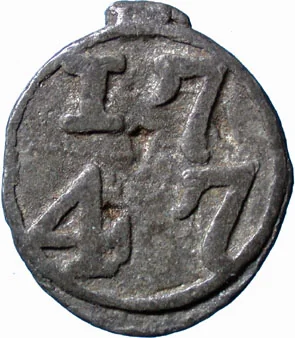
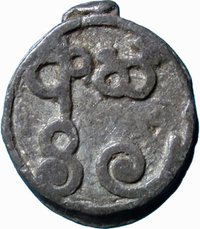
Obverse
Description:
Date
Inscription:
17
47
47
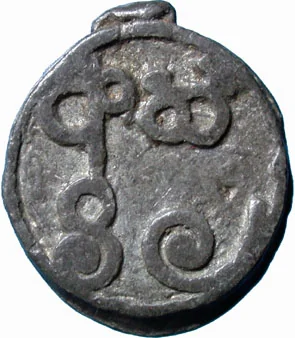
Reverse
Description:
Denomination
Inscription:
අක
මිල
මිල
Edge
Plain
Mintings
| Year | Mint Mark | Mintage | Quality | Collection |
|---|---|---|---|---|
| 1747 | — | — |
Historical background
In 1747, the island of Ceylon (modern-day Sri Lanka) was under the control of the Dutch East India Company (VOC), which had wrested the coastal provinces from the Portuguese in the mid-17th century. The primary economic driver was the lucrative cinnamon monopoly, but the island's monetary system was complex and fragmented. The VOC officially valued transactions in Dutch guilders and stuivers, but in practice, a multitude of coins from previous Portuguese rule, Indian subcontinental trade (like fanams and pagodas), and even Spanish-American silver "pieces of eight" circulated widely, creating a chaotic exchange environment.
This currency confusion was exacerbated by a chronic shortage of official coinage, leading the VOC administration in Colombo to frequently issue proclamations attempting to fix exchange rates between these various coins. These efforts were largely unsuccessful due to market forces and the needs of both local Sinhalese and Tamil populations and the diverse European and Asian merchant communities. Furthermore, the VOC often paid its soldiers and local employees in overvalued copper doit coins, which were deeply unpopular and led to discontent, as they were difficult to use for everyday purchases outside Company-controlled areas.
Ultimately, the monetary situation in 1747 reflected the VOC's primary interest: extracting maximum profit with minimal expenditure. The system was not designed for economic stability or the benefit of the local inhabitants, but to facilitate the export of spices and the control of trade. This unstable and exploitative financial environment would persist until the British takeover in 1796, which began a new chapter of currency reform and consolidation.
This currency confusion was exacerbated by a chronic shortage of official coinage, leading the VOC administration in Colombo to frequently issue proclamations attempting to fix exchange rates between these various coins. These efforts were largely unsuccessful due to market forces and the needs of both local Sinhalese and Tamil populations and the diverse European and Asian merchant communities. Furthermore, the VOC often paid its soldiers and local employees in overvalued copper doit coins, which were deeply unpopular and led to discontent, as they were difficult to use for everyday purchases outside Company-controlled areas.
Ultimately, the monetary situation in 1747 reflected the VOC's primary interest: extracting maximum profit with minimal expenditure. The system was not designed for economic stability or the benefit of the local inhabitants, but to facilitate the export of spices and the control of trade. This unstable and exploitative financial environment would persist until the British takeover in 1796, which began a new chapter of currency reform and consolidation.


✨ Legendary