

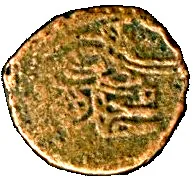
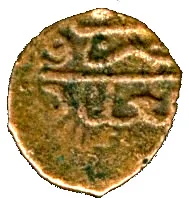
5 para – Baghdad Eyalet
Add to wishlist
Iraq
Context
Year: 1731
Islamic (Hijri) Year:: 1143
Country: Iraq
Issuer: Baghdad Eyalet
Ruler: Mahmud I
Currency:
(1688—1844)
Demonetized: Yes
Material
References
KM: #
Numista: #142425
Mintings
| Year | Mint Mark | Mintage | Quality | Collection |
|---|---|---|---|---|
| 1731 | — | — |
Historical background
In 1731, the currency situation in Baghdad Eyalet, a strategically vital but often turbulent province of the Ottoman Empire, was characterized by severe instability and complexity. The eyalet operated within a fractured monetary system, where the official Ottoman akçe and kuruş competed with a plethora of foreign and debased coins in daily circulation. Most significant was the widespread use of the Iranian silver abbasi, a legacy of the recent Persian occupation of Baghdad (1723-1730), which had just ended. This created a de facto bimetallic system heavily influenced by a neighboring power, undermining Ottoman monetary sovereignty and complicating trade.
The root cause of this disorder was a chronic shortage of high-quality Ottoman specie, exacerbated by the empire's own fiscal woes and the province's physical and administrative distance from Istanbul. Local authorities and merchants relied heavily on imported silver coins, primarily from Iran and India, whose value fluctuated with trade flows and political relations. Furthermore, the practice of clipping and debasing coins was rampant, as was the circulation of counterfeit money. This led to wildly fluctuating exchange rates and a profound lack of confidence in the currency, hindering taxation, paying soldiers, and conducting long-distance commerce.
Consequently, the Ottoman governor in 1731 faced the immediate challenge of reasserting monetary control. Efforts would have been focused on restoring the primacy of Ottoman coinage, regulating the use of foreign abbasis, and attempting to stabilize exchange rates to ensure the solvency of the provincial administration and garrison. This monetary chaos was not merely an economic issue but a direct reflection of the political and military struggle for control over the region, making currency reform essential for consolidating the fragile Ottoman reoccupation of Baghdad.
The root cause of this disorder was a chronic shortage of high-quality Ottoman specie, exacerbated by the empire's own fiscal woes and the province's physical and administrative distance from Istanbul. Local authorities and merchants relied heavily on imported silver coins, primarily from Iran and India, whose value fluctuated with trade flows and political relations. Furthermore, the practice of clipping and debasing coins was rampant, as was the circulation of counterfeit money. This led to wildly fluctuating exchange rates and a profound lack of confidence in the currency, hindering taxation, paying soldiers, and conducting long-distance commerce.
Consequently, the Ottoman governor in 1731 faced the immediate challenge of reasserting monetary control. Efforts would have been focused on restoring the primacy of Ottoman coinage, regulating the use of foreign abbasis, and attempting to stabilize exchange rates to ensure the solvency of the provincial administration and garrison. This monetary chaos was not merely an economic issue but a direct reflection of the political and military struggle for control over the region, making currency reform essential for consolidating the fragile Ottoman reoccupation of Baghdad.

✨ Legendary