

1 Mark – City of Reval
Estonia
Context
Year: 1664
Country: Estonia 
Issuer: City of Reval
Ruler: Charles XI
Currency:
(1561—1710)
Demonetized: Yes
Material
References
KM: #Click to copy to clipboard13
Numista: #139336
Value
Bullion value: $14.71
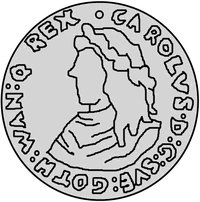
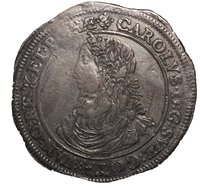
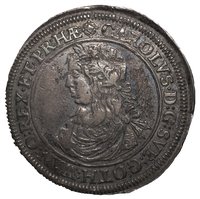
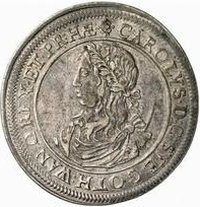
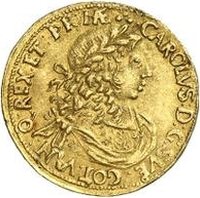
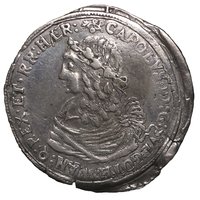
Obverse
Description:
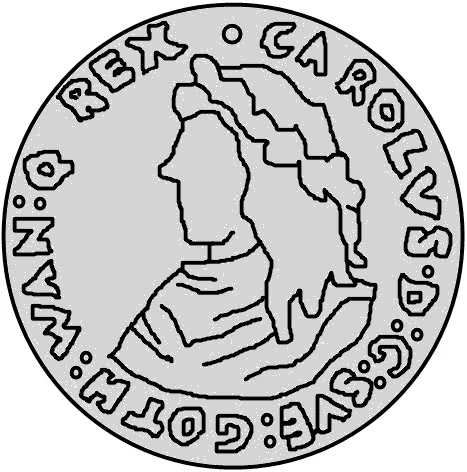
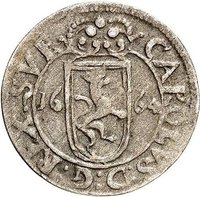
Laureate head left, encircled by legend.
Inscription:
CAROLVS · D : G : SVE : GOTH : WAN : Q REX ·
Script: Latin
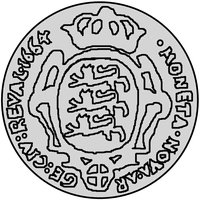
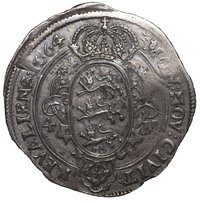
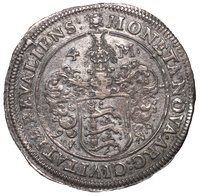
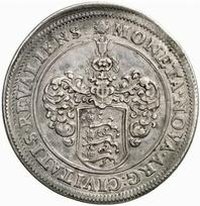
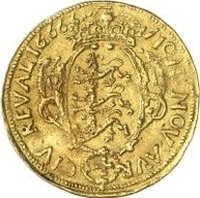
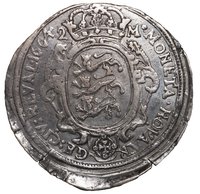
Reverse
Description:
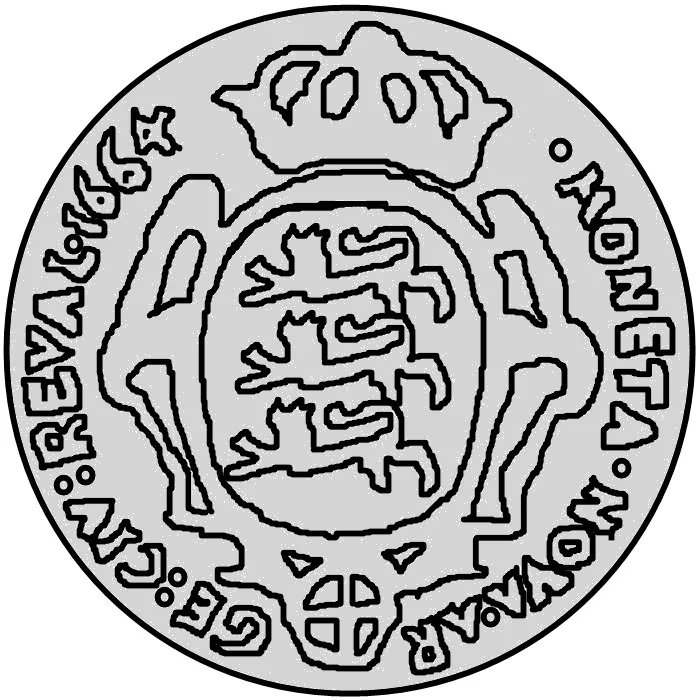
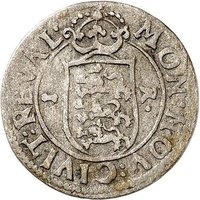
Crowned shield with three stacked lions, encircled by legend.
Inscription:
MONETA · NOVA · AR GE : CIV : REVAL · 1664
Script: Latin
Edge
Plain
Mints
| Name | Mark |
|---|---|
| Reval | — |
Mintings
| Year | Mint Mark | Mintage | Quality | Collection |
|---|---|---|---|---|
| 1664 | — | — |
Historical background
In 1664, the City of Reval (modern-day Tallinn, Estonia) operated within a complex and challenging monetary environment, characteristic of the Baltic region during the Swedish Empire's rule. The official currency was the Swedish riksdaler, a silver coin intended to standardize commerce. However, the city's historic role as a Hanseatic trading hub meant that a multitude of foreign coins circulated daily, including Lübeck marks, Polish złotys, Dutch ducats, and Russian roubles. This created a persistent problem of valuation, as the intrinsic silver content and exchange rates of these coins fluctuated constantly, leading to confusion and friction in both local and international trade.
The situation was further strained by the widespread practice of clipping and debasement. Unscrupulous individuals would shave small amounts of precious metal from the edges of coins, while some states issued coins with lower silver content than their face value promised. This eroded trust in the currency system, as merchants and citizens became wary of accepting coins at their nominal worth. The city authorities and the Swedish crown repeatedly issued ordinances and "mint par" lists to fix exchange rates, but these measures were often reactive and struggled to keep pace with market realities and the inflow of suspect foreign coinage.
Consequently, daily economic life in Reval was marked by a tangible sense of instability. Shopkeepers and traders required expert knowledge to assess coins, and disputes over payments were common. The coexistence of official Swedish money, legitimate foreign currencies, and debased or clipped pieces created a three-tiered system that hampered efficient commerce. This chaotic backdrop underscored the tension between Reval's international mercantile aspirations and the practical difficulties of maintaining a reliable medium of exchange in a 17th-century European port city.
The situation was further strained by the widespread practice of clipping and debasement. Unscrupulous individuals would shave small amounts of precious metal from the edges of coins, while some states issued coins with lower silver content than their face value promised. This eroded trust in the currency system, as merchants and citizens became wary of accepting coins at their nominal worth. The city authorities and the Swedish crown repeatedly issued ordinances and "mint par" lists to fix exchange rates, but these measures were often reactive and struggled to keep pace with market realities and the inflow of suspect foreign coinage.
Consequently, daily economic life in Reval was marked by a tangible sense of instability. Shopkeepers and traders required expert knowledge to assess coins, and disputes over payments were common. The coexistence of official Swedish money, legitimate foreign currencies, and debased or clipped pieces created a three-tiered system that hampered efficient commerce. This chaotic backdrop underscored the tension between Reval's international mercantile aspirations and the practical difficulties of maintaining a reliable medium of exchange in a 17th-century European port city.

✨ Legendary