

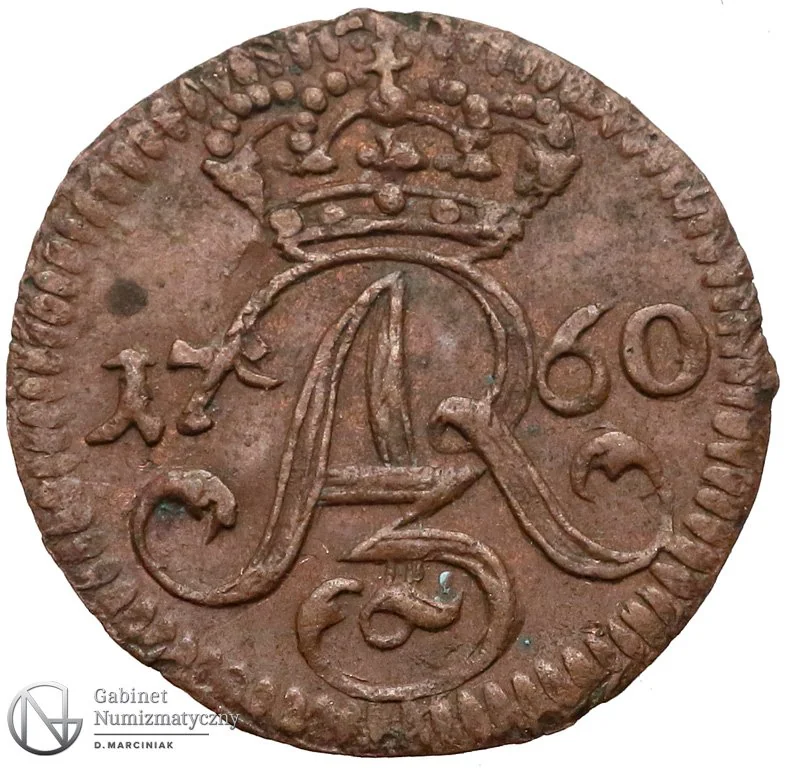
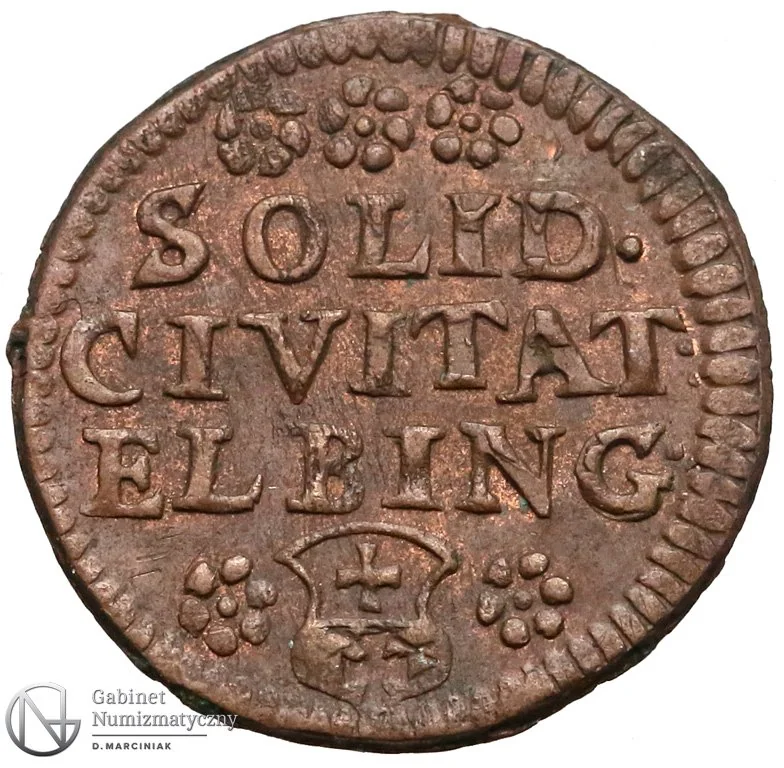
1 Schilling – Polish–Lithuanian Commonwealth
Poland
Context
Years: 1760–1763
Country: Poland 
Issuer: Polish–Lithuanian Commonwealth
Ruler: Augustus III
Currency:
(1573—1795)
Demonetized: Yes
Material
References
KM: #Click to copy to clipboard105
Numista: #104476
Mintings
| Year | Mint Mark | Mintage | Quality | Collection |
|---|---|---|---|---|
| 1760 | — | — | ||
| 1761 | — | — | ||
| 1763 | — | — |
Historical background
By 1760, the currency situation in the Polish–Lithuanian Commonwealth was one of profound crisis and a key symptom of the state's political disintegration. The primary unit, the złoty, was not a physical coin but an accounting unit, pegged to a specific amount of pure silver. The physical circulation was dominated by a chaotic mix of domestic and foreign coins, most notably the Saxon tymf and ort (introduced during the reign of Augustus III, who was also Elector of Saxony), and a flood of debased Polish copper szelągs (shillings). The state mint, lacking central control, was often leased to private individuals who profited by issuing coins with face values far exceeding their metallic content, leading to severe inflation and a collapse of public trust in the currency.
This monetary anarchy was a direct result of the Commonwealth's unique political system, particularly the liberum veto, which allowed any single noble deputy to paralyze the Sejm (parliament). Repeatedly, attempts to reform the treasury and establish a central mint were blocked by magnates and foreign powers who benefited from the financial disorder. Furthermore, the concurrent Seven Years' War (1756-1763) raging in neighbouring Prussia exacerbated the crisis. Warring parties, especially Prussia and Russia, deliberately flooded the Commonwealth with counterfeit and debased coins to destabilize its economy and extract resources, making the country a dumping ground for Europe's bad money.
The consequences were severe for the economy and society. Reliable trade became difficult as merchants struggled with fluctuating values, and credit markets seized up. The burden fell hardest on the peasantry and townspeople, who saw their purchasing power evaporate, while many magnates insulated themselves by collecting dues in kind. This monetary collapse, intertwined with political paralysis and foreign manipulation, underscored the Commonwealth's inability to govern itself. It set a stark backdrop for the later reform efforts of King Stanisław August Poniatowski after his election in 1764, for whom monetary reform would be an immediate and critical priority.
This monetary anarchy was a direct result of the Commonwealth's unique political system, particularly the liberum veto, which allowed any single noble deputy to paralyze the Sejm (parliament). Repeatedly, attempts to reform the treasury and establish a central mint were blocked by magnates and foreign powers who benefited from the financial disorder. Furthermore, the concurrent Seven Years' War (1756-1763) raging in neighbouring Prussia exacerbated the crisis. Warring parties, especially Prussia and Russia, deliberately flooded the Commonwealth with counterfeit and debased coins to destabilize its economy and extract resources, making the country a dumping ground for Europe's bad money.
The consequences were severe for the economy and society. Reliable trade became difficult as merchants struggled with fluctuating values, and credit markets seized up. The burden fell hardest on the peasantry and townspeople, who saw their purchasing power evaporate, while many magnates insulated themselves by collecting dues in kind. This monetary collapse, intertwined with political paralysis and foreign manipulation, underscored the Commonwealth's inability to govern itself. It set a stark backdrop for the later reform efforts of King Stanisław August Poniatowski after his election in 1764, for whom monetary reform would be an immediate and critical priority.
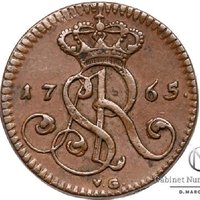
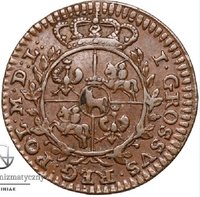
💎 Very Rare