

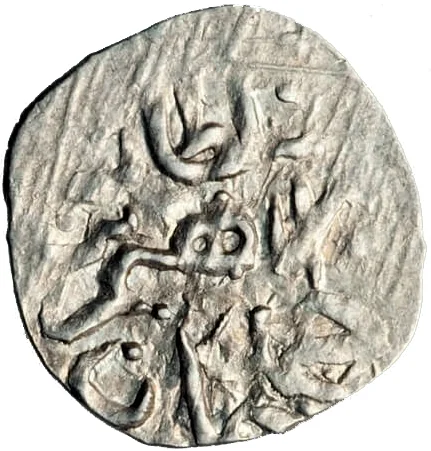
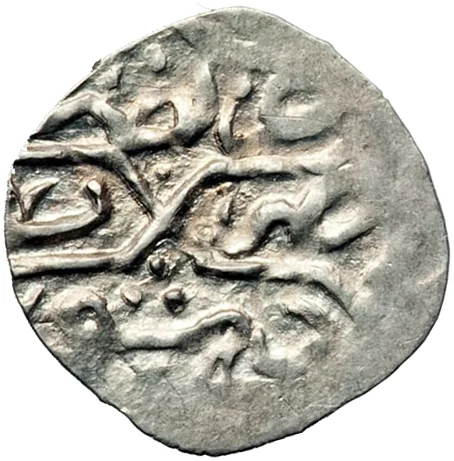
1 Akce – Damascus Eyalet
Syria
Context
Year: 1640
Islamic (Hijri) Year: 1049
Country: Syria 
Issuer: Damascus Eyalet
Ruler: Ibrahim I
Currency:
(1516—1687)
Demonetized: Yes
Material
Diameter: 13 mm
Weight: 0.32 g
Silver weight: 0.32 g
Shape: Irregular round
Composition: Silver
Magnetic: No
References
KM: #Click to copy to clipboard50
Numista: #103096
Value
Bullion value: $0.92
Mints
| Name | Mark |
|---|---|
| Damascus | — |
Mintings
| Year | Mint Mark | Mintage | Quality | Collection |
|---|---|---|---|---|
| 1640 | — | — |
Historical background
In 1640, the currency situation in Damascus Eyalet, a key Ottoman province encompassing modern-day Syria, Lebanon, Jordan, and Palestine, was characterized by severe instability and debasement. The primary circulating coin was the silver akçe, but its value had been steadily eroded by repeated imperial debasements to finance the empire's prolonged wars, particularly against Safavid Iran and in Europe. This period fell within the wider "Price Revolution" and the crisis of the 1620s-1640s, where the central treasury, facing fiscal shortfalls, ordered reductions in the silver content of coins minted in provincial centers like Damascus, directly reducing their purchasing power and triggering inflation.
This monetary chaos was exacerbated by the widespread circulation of foreign and counterfeit coins. Spanish pieces of eight and other European silver coins entered through vibrant Mediterranean trade, while debased Iranian abbasi coins flowed across the eastern border. These competed with the official Ottoman currency, creating a complex and unreliable multi-currency environment. Local governors and money-changers (sarrafs) wielded significant power, setting daily exchange rates that often exploited the uncertainty, to the detriment of soldiers paid in devalued coin and peasants paying taxes.
The consequences for the eyalet's economy and social order were profound. The instability disrupted long-distance trade, a cornerstone of Damascus's wealth, as merchants struggled with unpredictable values. It also fueled unrest, notably among the provincial Janissaries and other garrison troops whose fixed salaries became nearly worthless, leading to frequent protests and extortion from the populace. Thus, the currency situation in 1640 was not merely a financial issue but a central factor in the administrative strain and social tension within this crucial Ottoman province.
This monetary chaos was exacerbated by the widespread circulation of foreign and counterfeit coins. Spanish pieces of eight and other European silver coins entered through vibrant Mediterranean trade, while debased Iranian abbasi coins flowed across the eastern border. These competed with the official Ottoman currency, creating a complex and unreliable multi-currency environment. Local governors and money-changers (sarrafs) wielded significant power, setting daily exchange rates that often exploited the uncertainty, to the detriment of soldiers paid in devalued coin and peasants paying taxes.
The consequences for the eyalet's economy and social order were profound. The instability disrupted long-distance trade, a cornerstone of Damascus's wealth, as merchants struggled with unpredictable values. It also fueled unrest, notably among the provincial Janissaries and other garrison troops whose fixed salaries became nearly worthless, leading to frequent protests and extortion from the populace. Thus, the currency situation in 1640 was not merely a financial issue but a central factor in the administrative strain and social tension within this crucial Ottoman province.

✨ Legendary