

1 Beslik – Aleppo Eyalet
Syria
Context
Year: 1648
Islamic (Hijri) Year: 1058
Country: Syria 
Issuer: Aleppo Eyalet
Ruler: Mehmed IV
Currency:
(1534—1687)
Demonetized: Yes
Material
Diameter: 15.1 mm
Weight: 1.57 g
Silver weight: 1.57 g
Shape: Irregular round
Composition: Silver
Standard: Gold twentieth ounce
Magnetic: No
References
KM: #Click to copy to clipboard60
Numista: #103094
Value
Bullion value: $4.42
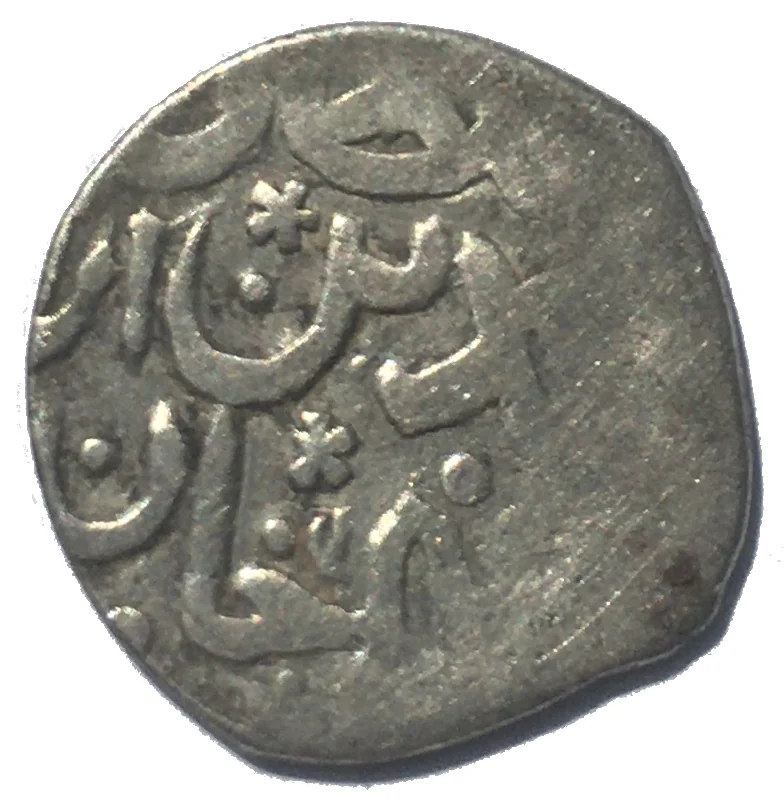
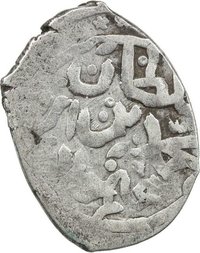
Obverse
Inscription:
سلطان
محمد بن ابر
اهم خان
Sultan
Mehmed bin Ibr
ahim Han
محمد بن ابر
اهم خان
Sultan
Mehmed bin Ibr
ahim Han
Script: Arabic
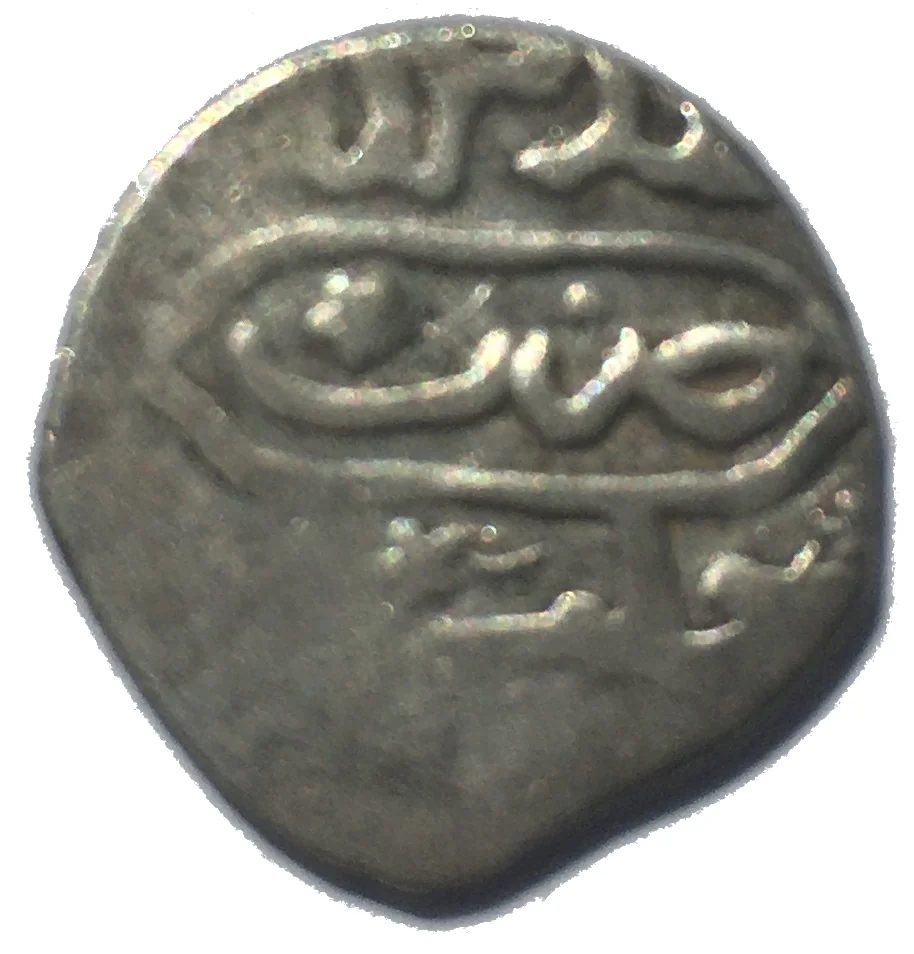
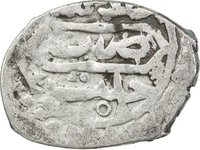
Reverse
Description:
'Minted' (Duriba) in cartouche
Inscription:
?
ضرب
في حلب
١٠٥٨
?
Duriba
fi Haleb
1058
ضرب
في حلب
١٠٥٨
?
Duriba
fi Haleb
1058
Script: Arabic
Edge
Mints
| Name | Mark |
|---|---|
| Haleb | حلب |
Mintings
| Year | Mint Mark | Mintage | Quality | Collection |
|---|---|---|---|---|
| 1648 | — | — |
Historical background
In 1648, the currency situation in Aleppo Eyalet, a crucial commercial hub of the Ottoman Empire, was characterized by severe instability and debasement, mirroring a wider imperial financial crisis. The primary unit of account was the silver akçe, but its value had been eroded by decades of "tağşiş" (currency debasement), where the state reduced the silver content of coins to fund near-constant warfare, particularly the long war with Venice over Crete. By 1648, the akçe had become a chronically weak and unreliable currency, causing widespread confusion in trade and daily transactions.
This monetary instability was acutely felt in Aleppo due to its role as the terminus of major Asian trade routes. International merchants, especially Europeans operating under capitalations, increasingly conducted large-scale transactions using high-value, stable foreign silver coins like the Spanish piece of eight (real de a ocho) and the Dutch lion dollar. These coins circulated alongside a plethora of other regional currencies, including Venetian ducats and Persian silver abbasis, creating a complex multi-currency environment. The disparity between sound foreign coins and the debased Ottoman coinage led to significant price inflation and exchange rate volatility, harming local markets and artisans.
The Ottoman central government's attempts at reform, such as the occasional issue of a new, higher-standard kurush (piastre), provided only temporary relief. In practice, the currency system in Aleppo was fragmented; the imperial mint struggled to assert control, while money changers (sarrafs) became indispensable but often speculative intermediaries. Thus, in 1648, Aleppo's economy functioned amidst a precarious monetary duality: an official but crumbling domestic coinage and a de facto reliance on foreign silver for serious commerce, reflecting both the empire's deepening financial strains and the city's enduring integration into global trade networks.
This monetary instability was acutely felt in Aleppo due to its role as the terminus of major Asian trade routes. International merchants, especially Europeans operating under capitalations, increasingly conducted large-scale transactions using high-value, stable foreign silver coins like the Spanish piece of eight (real de a ocho) and the Dutch lion dollar. These coins circulated alongside a plethora of other regional currencies, including Venetian ducats and Persian silver abbasis, creating a complex multi-currency environment. The disparity between sound foreign coins and the debased Ottoman coinage led to significant price inflation and exchange rate volatility, harming local markets and artisans.
The Ottoman central government's attempts at reform, such as the occasional issue of a new, higher-standard kurush (piastre), provided only temporary relief. In practice, the currency system in Aleppo was fragmented; the imperial mint struggled to assert control, while money changers (sarrafs) became indispensable but often speculative intermediaries. Thus, in 1648, Aleppo's economy functioned amidst a precarious monetary duality: an official but crumbling domestic coinage and a de facto reliance on foreign silver for serious commerce, reflecting both the empire's deepening financial strains and the city's enduring integration into global trade networks.

✨ Legendary