

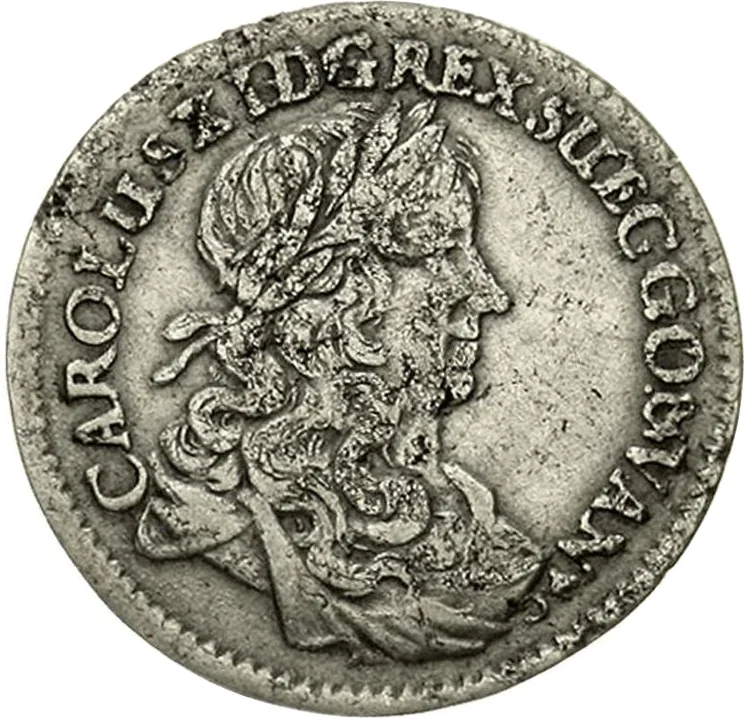
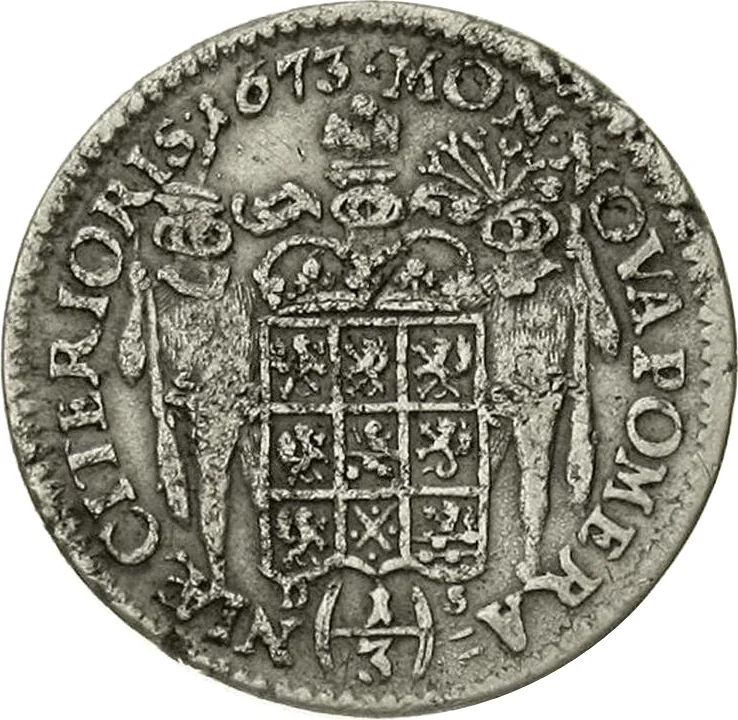
⅓ Thaler – Swedish dominion of Pomerania
Sweden
Context
Years: 1672–1673
Country: Sweden 
Issuer: Swedish dominion of Pomerania
Ruler: Charles XI
Currency:
(1630—1815)
Demonetized: Yes
References
KM: #Click to copy to clipboard261
Numista: #136484
Obverse
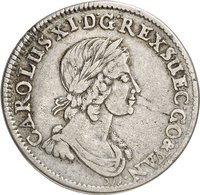
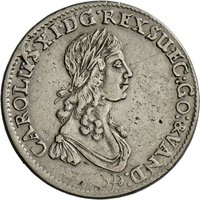
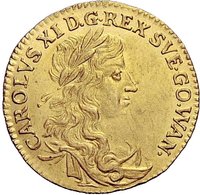
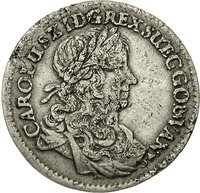
Description:
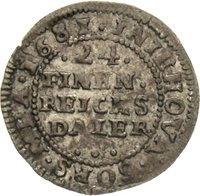
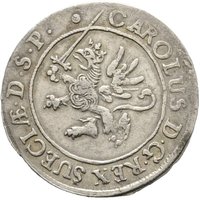
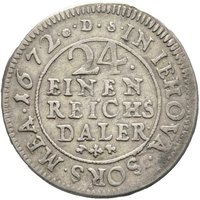
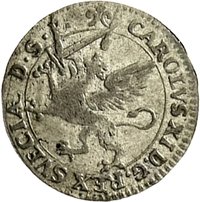
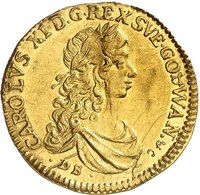
Laureate bust with draped hair on chest and back.
Script: Latin
Reverse
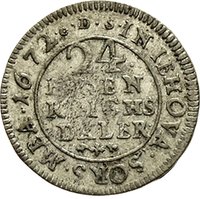
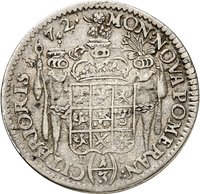
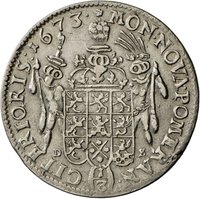
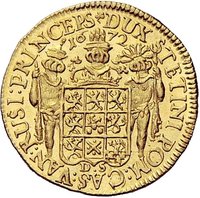
Description:
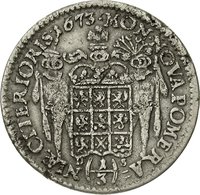
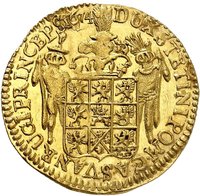
Crowned shield, flanked supporters, value and initials beneath, date around.
Script: Latin
Edge
Mintings
| Year | Mint Mark | Mintage | Quality | Collection |
|---|---|---|---|---|
| 1672 | DS | — | ||
| 1673 | DS | — |
Historical background
In 1672, the currency situation in Swedish Pomerania was complex and strained, reflecting both its unique political status and the broader monetary chaos of the Holy Roman Empire. As a dominion of the Swedish Crown within the Empire, the region operated under a dual monetary system. Officially, it used the Swedish monetary system based on silver daler, but in daily practice, transactions were dominated by a plethora of circulating German and local coins, particularly the low-value pfennigs and schillings from various neighbouring states. This created a chronic problem of currency fragmentation and uncertainty in exchange rates.
The primary challenge was severe debasement and inflation, driven by the Kipper- und Wipperzeit crisis that had devastated Central European coinage earlier in the century. Swedish authorities, like many German princes, were tempted to mint inferior coinage for short-term profit, flooding the market with coins of diminished silver content. This practice, combined with the influx of even more debased coins from neighbouring territories like Brandenburg and Mecklenburg, eroded public trust. Prices became unstable, and the population struggled with the discrepancy between the nominal and intrinsic value of the money in their hands.
Swedish attempts to regulate the situation, including minting ordinances to standardize coinage, were largely ineffective against these market forces. The monetary disorder hampered commerce and state finances, as tax revenues collected in debased coin lost value. Thus, in 1672, the currency system was a source of economic weakness, caught between Swedish imperial ambitions and the harsh realities of a fragmented and inflationary regional economy, a problem that would persist throughout Swedish rule.
The primary challenge was severe debasement and inflation, driven by the Kipper- und Wipperzeit crisis that had devastated Central European coinage earlier in the century. Swedish authorities, like many German princes, were tempted to mint inferior coinage for short-term profit, flooding the market with coins of diminished silver content. This practice, combined with the influx of even more debased coins from neighbouring territories like Brandenburg and Mecklenburg, eroded public trust. Prices became unstable, and the population struggled with the discrepancy between the nominal and intrinsic value of the money in their hands.
Swedish attempts to regulate the situation, including minting ordinances to standardize coinage, were largely ineffective against these market forces. The monetary disorder hampered commerce and state finances, as tax revenues collected in debased coin lost value. Thus, in 1672, the currency system was a source of economic weakness, caught between Swedish imperial ambitions and the harsh realities of a fragmented and inflationary regional economy, a problem that would persist throughout Swedish rule.
✨ Legendary