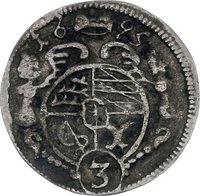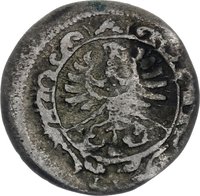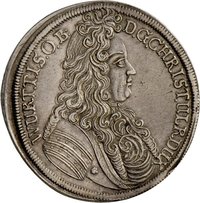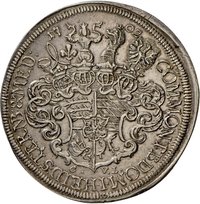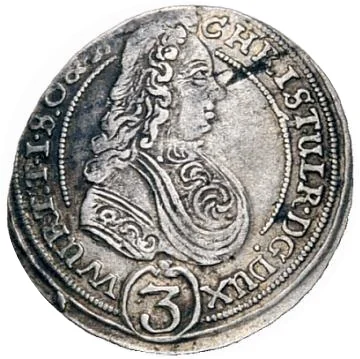
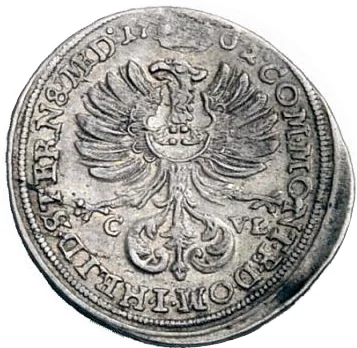
In 1695, the Duchy of Württemberg-Oels, a small Silesian territory under the rule of the Württemberg-Neuenstadt cadet branch, faced significant monetary instability common across the Holy Roman Empire. The primary currency in circulation was the regional variant of the
Reichsthaler, but its value and integrity were under severe pressure. The period was characterized by the widespread practice of currency debasement, where ruling princes, including Duke Christian Ulrich I, reduced the precious metal content in coins to generate short-term revenue, often to finance military obligations or court expenditures. This created a chaotic environment where the nominal value of coins diverged sharply from their intrinsic metal worth.
The situation was exacerbated by the influx of inferior foreign coins, particularly from neighboring states engaged in the same competitive debasement. This "bad money" drove "good money" (full-weight coins) out of circulation, as described by Gresham's Law, further degrading the local economy. For the duchy's subjects, this meant price inflation, uncertainty in daily transactions, and a loss of trust in the monetary system. Trade and savings were negatively impacted, as the value of currency could fluctuate unpredictably based on the latest minting policies.
While specific minting records for 1695 are sparse, the duke's financial pressures were acute, stemming from the ongoing Great Turkish War and the general costs of maintaining sovereignty. The broader imperial framework, through the
Reichsmünzordnung (Imperial Coinage Ordinance), proved ineffective at enforcing monetary standards. Consequently, the currency situation in Württemberg-Oels in 1695 was one of localized fragility, emblematic of the wider systemic failure within the Empire to provide a stable and uniform currency, leaving small states to navigate between fiscal necessity and economic ruin.