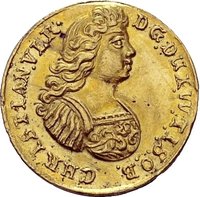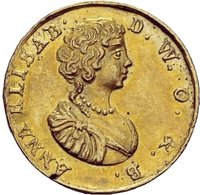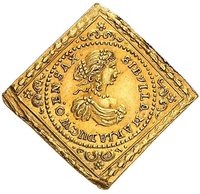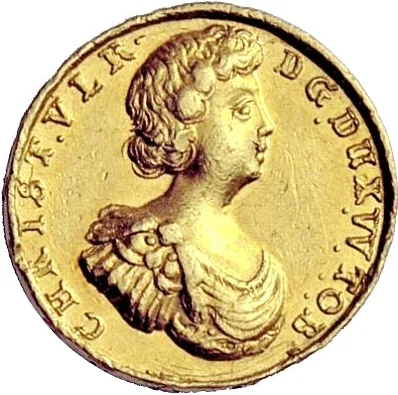
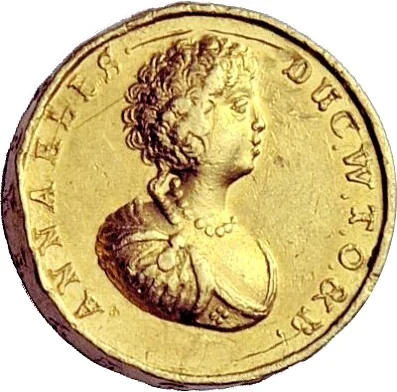
In 1680, the currency situation in the Duchy of Württemberg-Oels was complex and challenging, typical of the highly fragmented Holy Roman Empire. The duchy, a small Silesian territory ruled by a branch of the Württemberg dynasty, did not possess its own independent minting authority. Instead, it relied on the circulation of coins issued by various entities, including the nearby powerful Kingdom of Bohemia (under Habsburg rule), the Holy Roman Emperor, and other regional states. This resulted in a chaotic mix of coins of different standards, values, and metallic content circulating simultaneously, leading to frequent confusion and rampant opportunities for debasement.
The primary currency in practical use was the Bohemian or Silesian
Groschen, tied to the larger regional monetary system of the
Reichsthaler. However, the value and acceptance of coins were heavily influenced by the ongoing monetary instability of the period, known as the
Kipper- und Wipperzeit, which had ravaged Central Europe earlier in the century. While the worst inflation had passed, its legacy meant authorities were wary of debased coins and fluctuating exchange rates. Trade, especially with neighboring Poland and within the Habsburg domains, required constant recalculation of values between local units like
Groschen and
Kreuzer and larger trade coins like
Thalers and
Gulden.
Duke Silvius II Frederick, ruling from 1668 to 1697, faced the difficult task of managing an economy without direct control over currency issuance. His administration’s focus would have been on enforcing official exchange rates, attempting to regulate the circulation of suspect foreign coins, and ensuring that taxes and ducal revenues were collected in reliable specie. The currency situation was therefore one of constrained dependency, requiring careful navigation of imperial monetary ordinances and the realities of cross-border trade to maintain economic stability within the small duchy.