

1 Rupee – Afghanistan
Afghanistan
Context
Material
Diameter: 24 mm
Weight: 11.6 g
Silver weight: 11.60 g
Shape: Irregular round
Composition: Silver
Magnetic: No
References
KM: #Click to copy to clipboard383.2
Numista: #135604
Value
Bullion value: $32.97
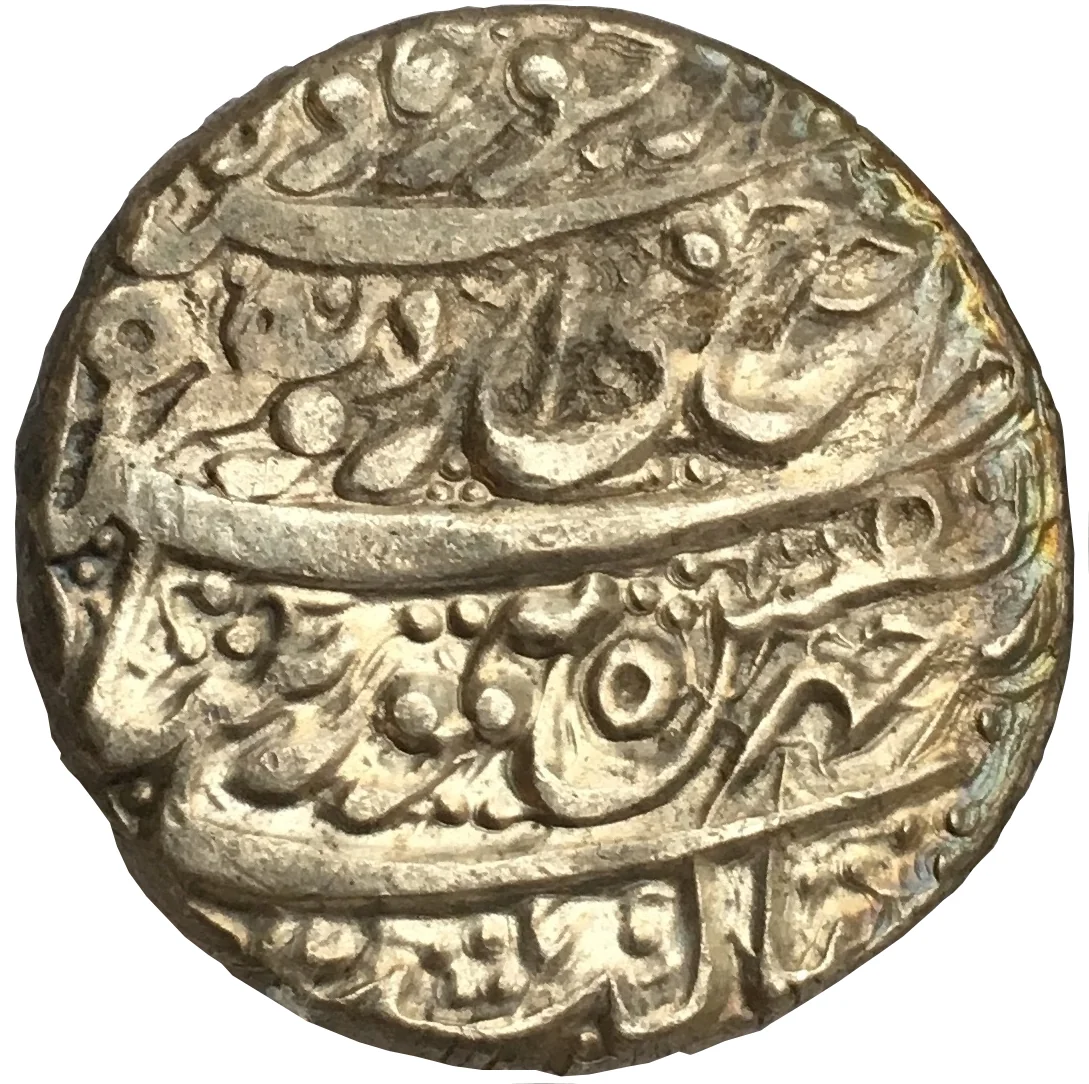
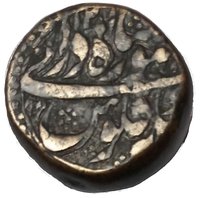
Obverse
Description:
Inscribed.
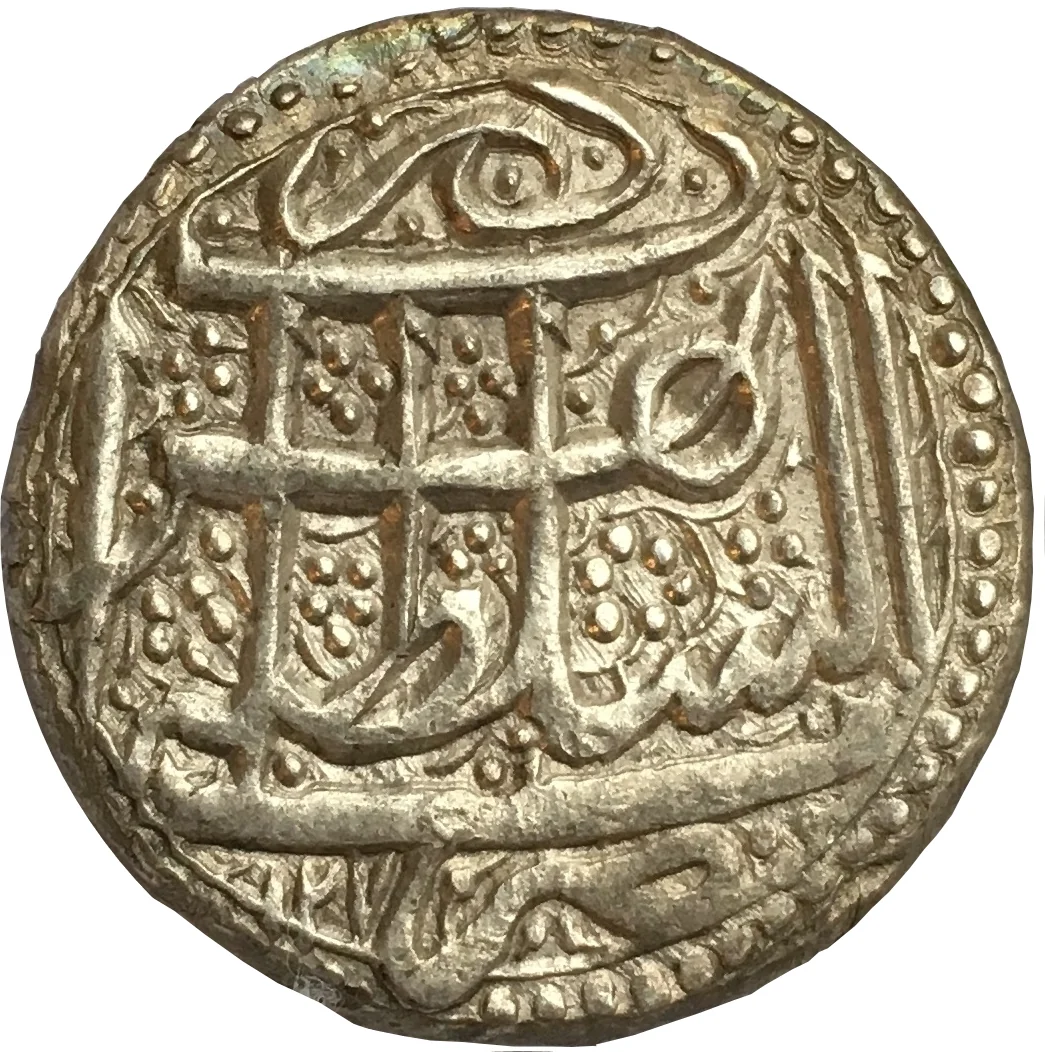
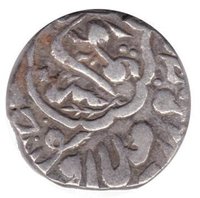
Reverse
Description:
Mint's epithet.
Edge
Plain
Mints
| Name | Mark |
|---|---|
| Herat | — |
Mintings
| Year | Mint Mark | Mintage | Quality | Collection |
|---|---|---|---|---|
| 1787 | — | — | ||
| 1788 | — | — | ||
| 1789 | — | — | ||
| 1790 | — | — | ||
| 1791 | — | — | ||
| 1792 | — | — | ||
| 1793 | — | — | ||
| 1794 | — | — | ||
| 1795 | — | — | ||
| 1796 | — | — | ||
| 1797 | — | — | ||
| 1802 | — | — | ||
| 1806 | — | — |
Historical background
In 1787, the currency situation in Afghanistan was complex and fragmented, reflecting the decentralized and volatile political landscape of the period. The Durrani Empire, founded by Ahmad Shah Durrani, was in a state of decline following his death in 1772, leading to a succession struggle and the erosion of central authority. While the empire nominally minted gold mohurs and silver rupees in major cities like Kabul, Kandahar, and Herat, the power to issue currency was increasingly exercised by regional governors, rival princes, and even local khans. This resulted in a proliferation of coinages of varying weight, purity, and design, severely undermining uniform monetary standards.
The primary circulating coins were silver rupees, but their value was highly unstable. Debasement—reducing the silver content—was a common practice by competing rulers to finance military campaigns and administration, leading to inflation and a loss of public trust. Furthermore, the economy remained largely reliant on barter, especially in rural areas, and older Persian and Mughal coins from neighboring regions remained in circulation alongside the newer, often inferior, Durrani issues. Long-distance trade, a traditional strength, was hampered by this monetary inconsistency, as merchants had to constantly assess and negotiate the value of coins from different mints.
Ultimately, the currency chaos of 1787 was a direct symptom of the crumbling Durrani state. Without a strong central power to enforce minting standards and guarantee value, the monetary system became a patchwork of competing instruments. This financial instability mirrored the broader political disintegration, setting the stage for the prolonged civil wars that would culminate in the rise of the Barakzai dynasty in the early 19th century. The period underscored how currency in Afghanistan was, and often remains, inextricably tied to the authority and legitimacy of its ruling power.
The primary circulating coins were silver rupees, but their value was highly unstable. Debasement—reducing the silver content—was a common practice by competing rulers to finance military campaigns and administration, leading to inflation and a loss of public trust. Furthermore, the economy remained largely reliant on barter, especially in rural areas, and older Persian and Mughal coins from neighboring regions remained in circulation alongside the newer, often inferior, Durrani issues. Long-distance trade, a traditional strength, was hampered by this monetary inconsistency, as merchants had to constantly assess and negotiate the value of coins from different mints.
Ultimately, the currency chaos of 1787 was a direct symptom of the crumbling Durrani state. Without a strong central power to enforce minting standards and guarantee value, the monetary system became a patchwork of competing instruments. This financial instability mirrored the broader political disintegration, setting the stage for the prolonged civil wars that would culminate in the rise of the Barakzai dynasty in the early 19th century. The period underscored how currency in Afghanistan was, and often remains, inextricably tied to the authority and legitimacy of its ruling power.
💎 Extremely Rare