

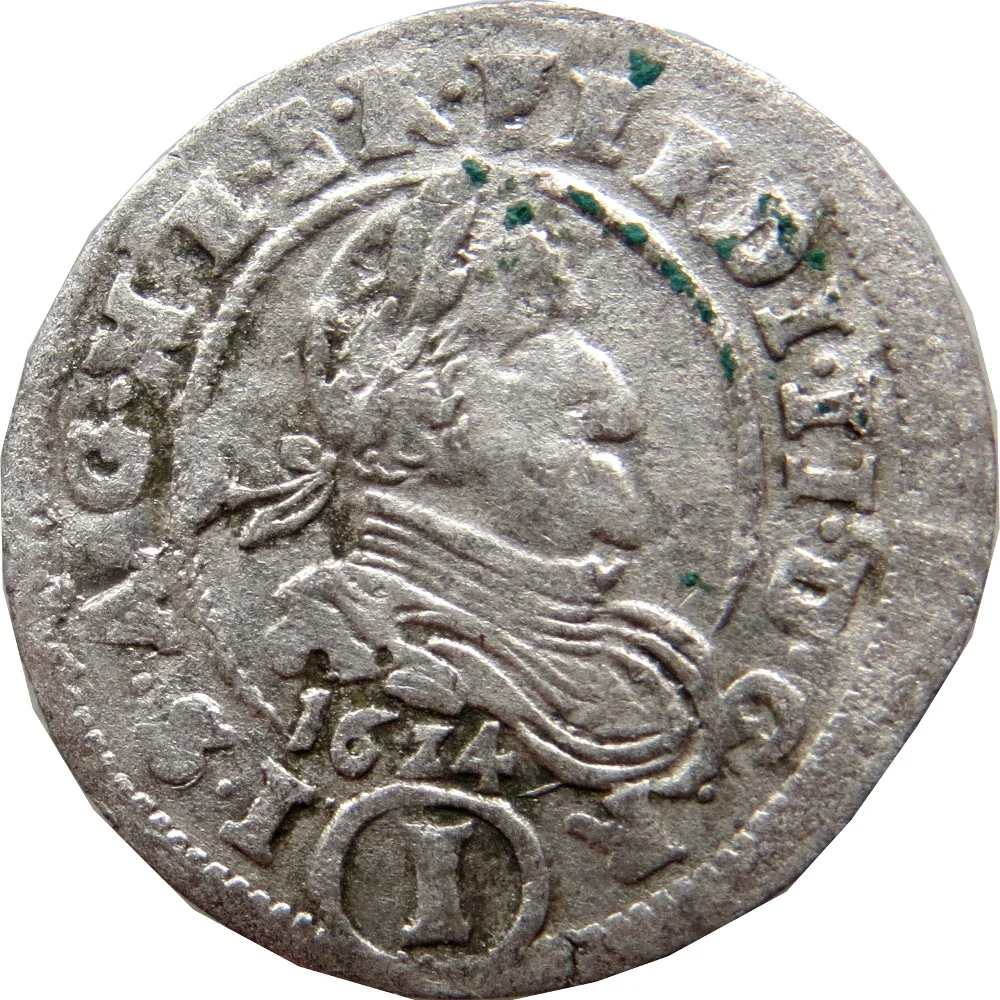
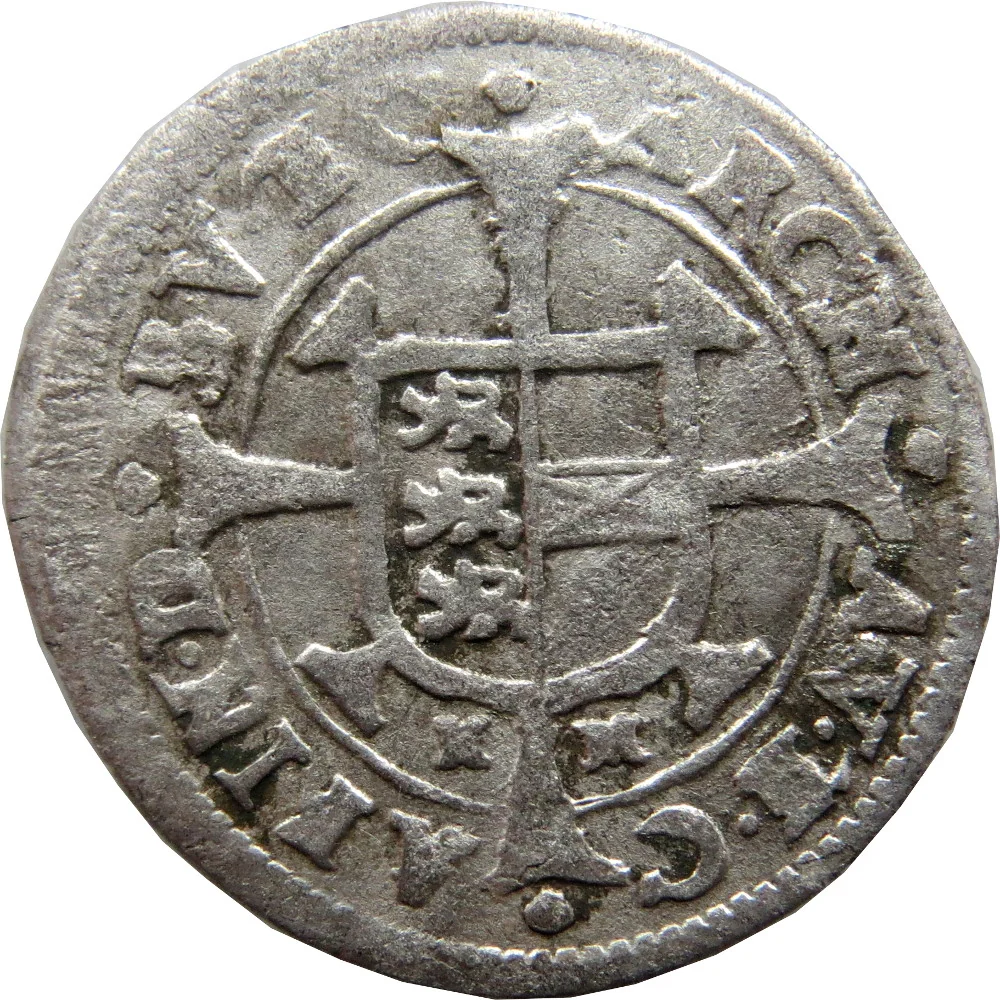
1 Kreuzer – Austrian Empire
Austria
Context
Years: 1623–1628
Country: Austria 
Issuer: Austrian Empire
Ruler: Ferdinand II
Currency:
(1520—1754)
Demonetized: Yes
References
KM: #Click to copy to clipboard437
Numista: #134768
Obverse
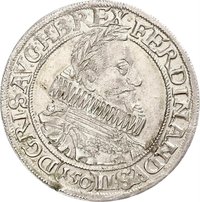
Description:
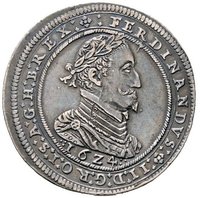
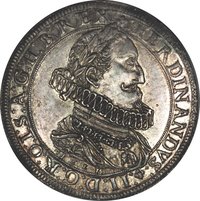
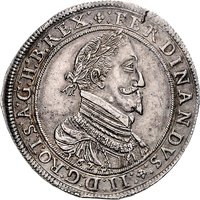
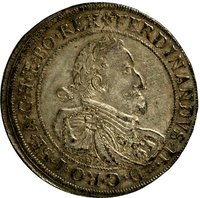
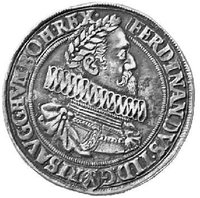
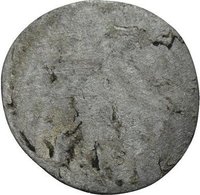
Laureate bust right, value and date below.
Inscription:
FERDI II D G R (I) I S A G H & B R
Script: Latin
Reverse
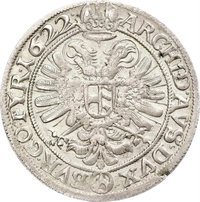
Description:
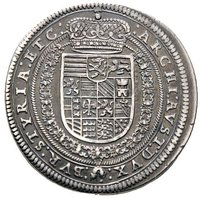
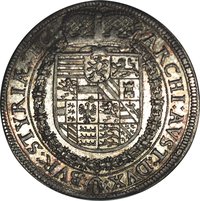
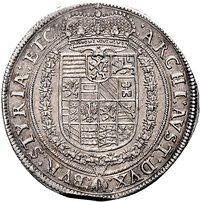
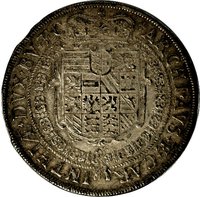
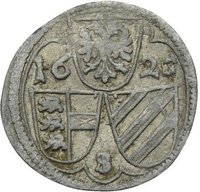
Carinthia's arms on two offset crosses. The mint mark and legend are both split by the longest cross.
Inscription:
ARCH // AV & C // ARIN D // BV &C
H M
H M
Script: Latin
Edge
Mints
| Name | Mark |
|---|---|
| Sankt Veit | — |
Mintings
| Year | Mint Mark | Mintage | Quality | Collection |
|---|---|---|---|---|
| 1623 | — | — | ||
| 1624 | — | — | ||
| 1625 | — | — | ||
| 1626 | — | — | ||
| 1627 | — | — | ||
| 1628 | — | — |
Historical background
In 1623, the Austrian Habsburg monarchy faced a severe monetary crisis, the culmination of decades of currency debasement known as the Kipper- und Wipperzeit (literally "Tipper and See-saw Time"). This period, which intensified during the early stages of the Thirty Years' War (1618-1648), saw individual minting authorities within the Empire and across the German states competitively debase coinage to fund war expenditures. They would mint coins with reduced precious metal content, use the profits to pay soldiers and suppliers, and then hoard or re-mint the older, full-value coins from circulation. The result was a flood of unstable, low-value coins causing rampant inflation, a collapse in public trust, and economic chaos.
Emperor Ferdinand II, recognizing that the monetary anarchy was undermining both the war effort and the economy, moved decisively to reassert central control. In January 1623, he enacted a sweeping currency reform for the Austrian hereditary lands, spearheaded by his minister Bishop Melchior Khlesl. The core of the reform was the creation of a new, stable silver coin called the Reichsthaler, which was to be minted according to a strict, empire-wide standard. Crucially, the decree demonetized the myriad of debased coins, requiring them to be exchanged for the new currency at a state-mandated, often loss-inducing rate.
The immediate impact of the 1623 reform was harsh but necessary. It restored a stable and uniform currency, which was essential for state finance and long-term economic recovery. However, the forced exchange effectively imposed a steep war tax on the population, as people saw the value of their circulating money dramatically reduced overnight. While successful in ending the Kipper- und Wipperzeit in Austria, the reform's financial strain contributed to the growing social and political tensions that would later erupt in the Peasants' Revolt of 1626. The episode underscored the Habsburgs' struggle to balance absolute fiscal authority with the economic realities of a prolonged and devastating war.
Emperor Ferdinand II, recognizing that the monetary anarchy was undermining both the war effort and the economy, moved decisively to reassert central control. In January 1623, he enacted a sweeping currency reform for the Austrian hereditary lands, spearheaded by his minister Bishop Melchior Khlesl. The core of the reform was the creation of a new, stable silver coin called the Reichsthaler, which was to be minted according to a strict, empire-wide standard. Crucially, the decree demonetized the myriad of debased coins, requiring them to be exchanged for the new currency at a state-mandated, often loss-inducing rate.
The immediate impact of the 1623 reform was harsh but necessary. It restored a stable and uniform currency, which was essential for state finance and long-term economic recovery. However, the forced exchange effectively imposed a steep war tax on the population, as people saw the value of their circulating money dramatically reduced overnight. While successful in ending the Kipper- und Wipperzeit in Austria, the reform's financial strain contributed to the growing social and political tensions that would later erupt in the Peasants' Revolt of 1626. The episode underscored the Habsburgs' struggle to balance absolute fiscal authority with the economic realities of a prolonged and devastating war.
💎 Extremely Rare