Logo Title
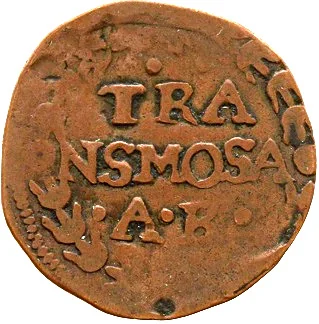
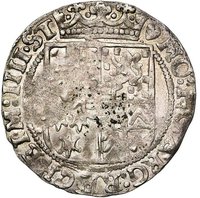
obverse
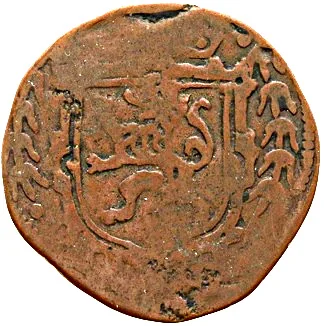
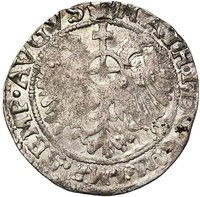
reverse
Heritage Auctions Europe

Duit – Lordship of Reckheim

Belgium
Context
Years: 1606–1635
Country: Belgium Country flag
Currency:
(1553—1665)
Demonetization: 1 October 1822
Material
Composition: Copper
Magnetic: No
References
KM: #Click to copy to clipboard46
Numista: #134396

Obverse

Description:
Three-line inscription encircled by tulips.
Inscription:
'TRA

NSMOSA

A.B
Script: Latin

Reverse

Description:
Shield with left-rampant lion in tulip wreath.

Edge

Mintings

YearMint MarkMintageQualityCollection

Historical background

In the year 1606, the Lordship of Reckheim, a minor but strategically located territory within the Holy Roman Empire, grappled with a complex and fragmented currency situation typical of the German Kleinstaaterei. The official currency, the Reckheim Thaler, was minted under the authority of the ruling Lord, but its circulation was limited and its value unstable. This instability stemmed from frequent debasement, as the lordship’s modest revenues from tolls and agriculture were often insufficient to cover the costs of courtly life and military preparedness, leading to the reduction of silver content in new coinage.

In practice, the daily monetary landscape was dominated by a bewildering variety of foreign coins. Neighbouring states’ Thalers, Guldens, and Kreutzers circulated freely alongside Reckheim’s own issues, their value determined not by proclamation but by the ever-fluctuating trade rates at local fairs and money-changing tables. The most trusted and sought-after coins were those from powerful neighbours and trade partners like the Spanish Thaler and the Reichsthaler, whose higher and more reliable silver content made them the preferred medium for significant transactions and savings, thereby undermining confidence in the local currency.

This monetary chaos created a persistent burden on merchants and peasants alike, fostering distrust and hindering commerce. While the Lord’s mint derived some seigniorage profit from recoinage, the economic weakness it caused was a growing concern. By 1606, there were likely muted discussions among the Lord’s advisors about the need for monetary reform to align with the broader Imperial currency ordinances, but any such plans were overshadowed by the greater political and religious tensions that would soon erupt into the Thirty Years’ War, dooming Reckheim to continued financial confusion.
Legendary