

4 Pence – United Kingdom
United Kingdom
Context
Years: 1763–1786
Issuer: United Kingdom 
Ruler: George III
Currency:
(1158—1970)
Demonetized: Yes
Total mintage: 20
Material
References
KM: #Click to copy to clipboard596
Numista: #13156
Value
Bullion value: $5.29
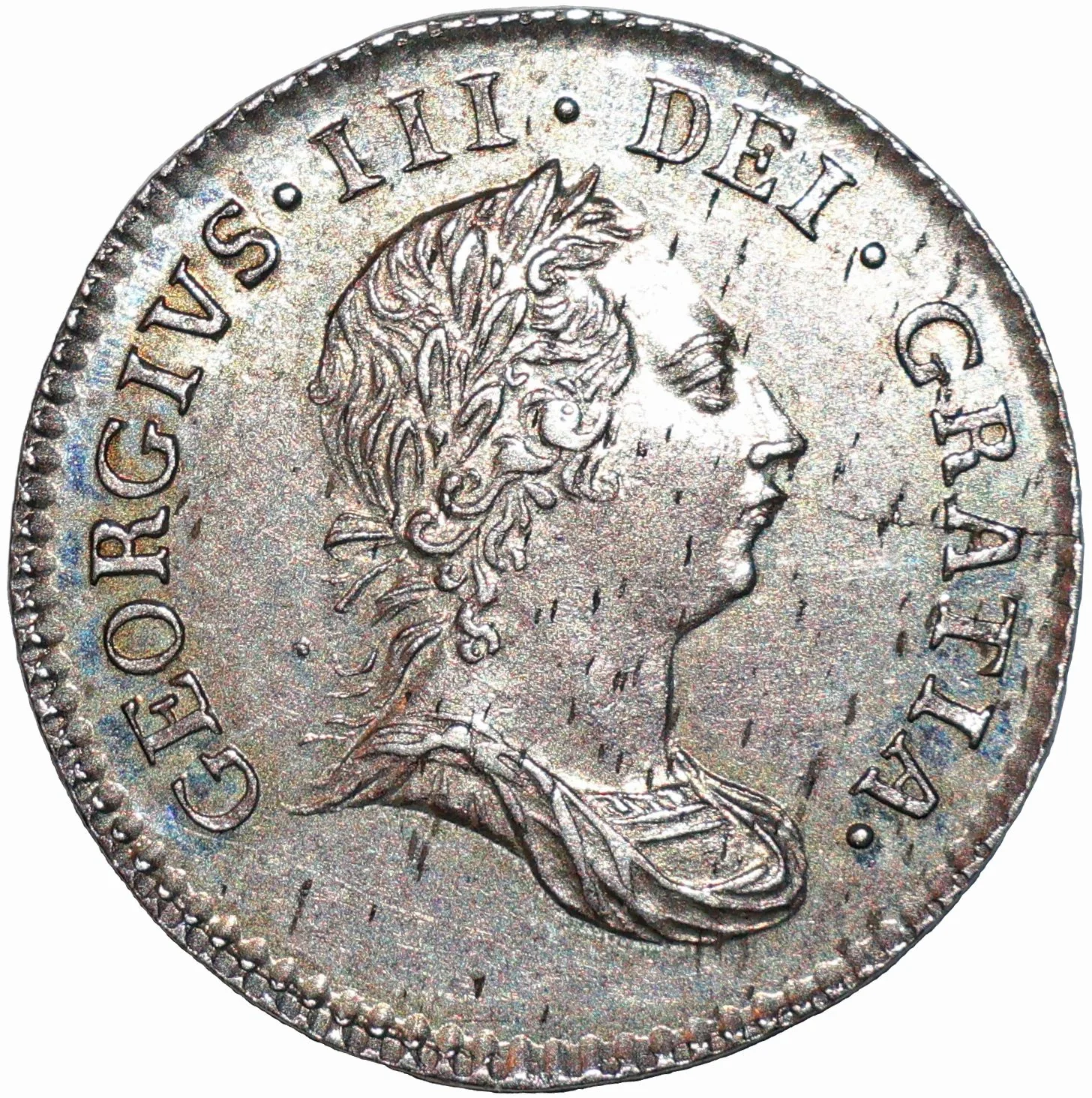
Obverse
Description:
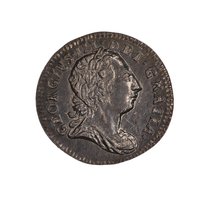
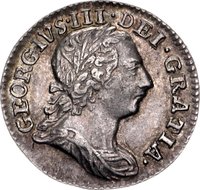
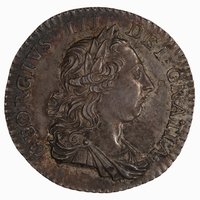
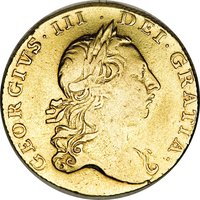
Young laureate and draped bust of George III right, surrounded by legend.
Inscription:
GEORGIVIS·III·DEI·GRATIA·
Script: Latin
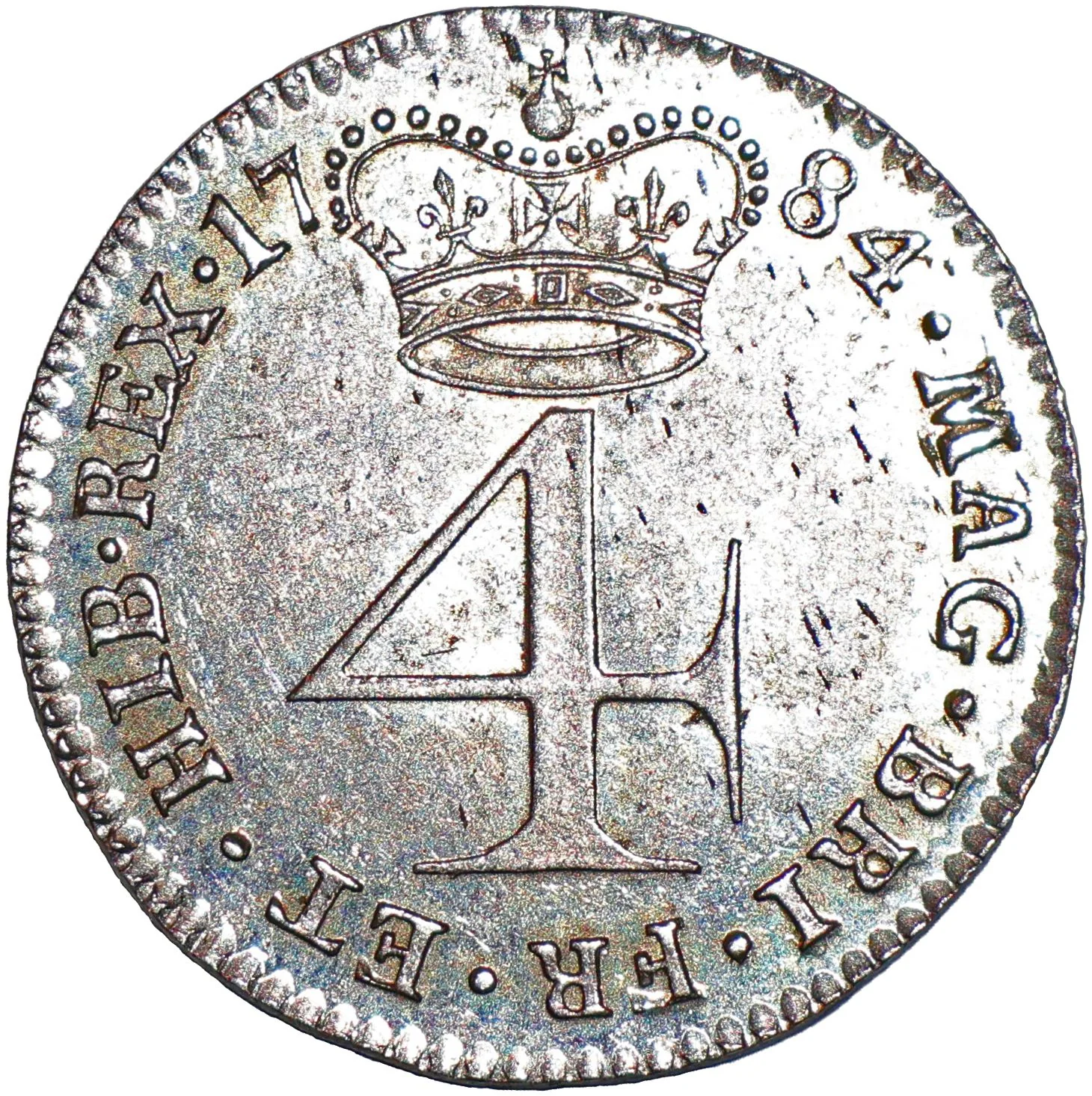
Reverse
Description:
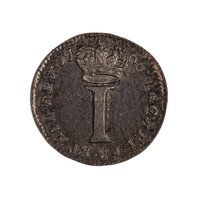
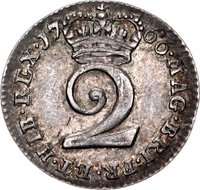
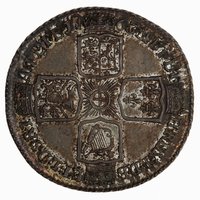
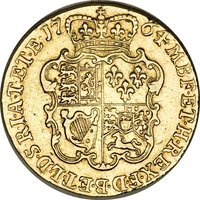
Central denomination below crown, date flanked by legend.
Inscription:
MAG·BRI·FR·ET·HIB·REX·17 80·
4
4
Script: Latin
Edge
Mintings
| Year | Mint Mark | Mintage | Quality | Collection |
|---|---|---|---|---|
| 1763 | — | — | ||
| 1763 | — | — | Proof | |
| 1765 | — | 20 | ||
| 1766 | — | — | ||
| 1770 | — | — | ||
| 1772 | — | — | ||
| 1776 | — | — | ||
| 1780 | — | — | ||
| 1784 | — | — | ||
| 1786 | — | — |
Historical background
In 1763, the United Kingdom’s currency system was a complex and often strained bimetallic standard, based on both gold and silver. The foundational unit was the pound sterling (£), which was a unit of account rather than a physical coin. The primary circulating coins were the gold guinea (valued at 21 shillings, or £1.1s) and the silver shilling (12 of which made a pound). However, the official mint ratio between gold and silver did not accurately reflect their market values, leading to the phenomenon of Gresham’s Law, where "bad money drives out good." Under-valued silver coins were often hoarded or exported, leaving the economy with a shortage of reliable small change and a circulation cluttered with worn, clipped, and counterfeit coins.
This monetary instability was exacerbated by the financial aftermath of the Seven Years' War (1756-1763), which concluded with the Treaty of Paris in that very year. While victorious, the British government was left with a massive national debt. The strain of wartime expenditure had increased the money supply through borrowing, but the underlying structural problems of the coinage persisted. The shortage of sound specie (coin) hampered everyday trade and commerce, creating a pressing need for reform. Furthermore, the economy was increasingly reliant on paper instruments—Bank of England notes, provincial bank notes, and bills of exchange—though these were largely trusted only in commercial circles and not for general public use.
Consequently, 1763 stands as a point of tension between an archaic physical coinage system in crisis and a growing modern financial system. The government would soon undertake serious, though initially unsuccessful, recoinage efforts later in the 1760s. The period highlights a transitional economy, where the demands of a burgeoning empire and industrial expansion were being stifled by a dysfunctional metallic currency, setting the stage for the greater reliance on paper money and the banking reforms that would characterize the later Industrial Revolution.
This monetary instability was exacerbated by the financial aftermath of the Seven Years' War (1756-1763), which concluded with the Treaty of Paris in that very year. While victorious, the British government was left with a massive national debt. The strain of wartime expenditure had increased the money supply through borrowing, but the underlying structural problems of the coinage persisted. The shortage of sound specie (coin) hampered everyday trade and commerce, creating a pressing need for reform. Furthermore, the economy was increasingly reliant on paper instruments—Bank of England notes, provincial bank notes, and bills of exchange—though these were largely trusted only in commercial circles and not for general public use.
Consequently, 1763 stands as a point of tension between an archaic physical coinage system in crisis and a growing modern financial system. The government would soon undertake serious, though initially unsuccessful, recoinage efforts later in the 1760s. The period highlights a transitional economy, where the demands of a burgeoning empire and industrial expansion were being stifled by a dysfunctional metallic currency, setting the stage for the greater reliance on paper money and the banking reforms that would characterize the later Industrial Revolution.
💎 Very Rare