

½ Guinea – United Kingdom
United Kingdom
Context

Material
References
KM: #Click to copy to clipboard599
Numista: #13149
Value
Bullion value: $641.94
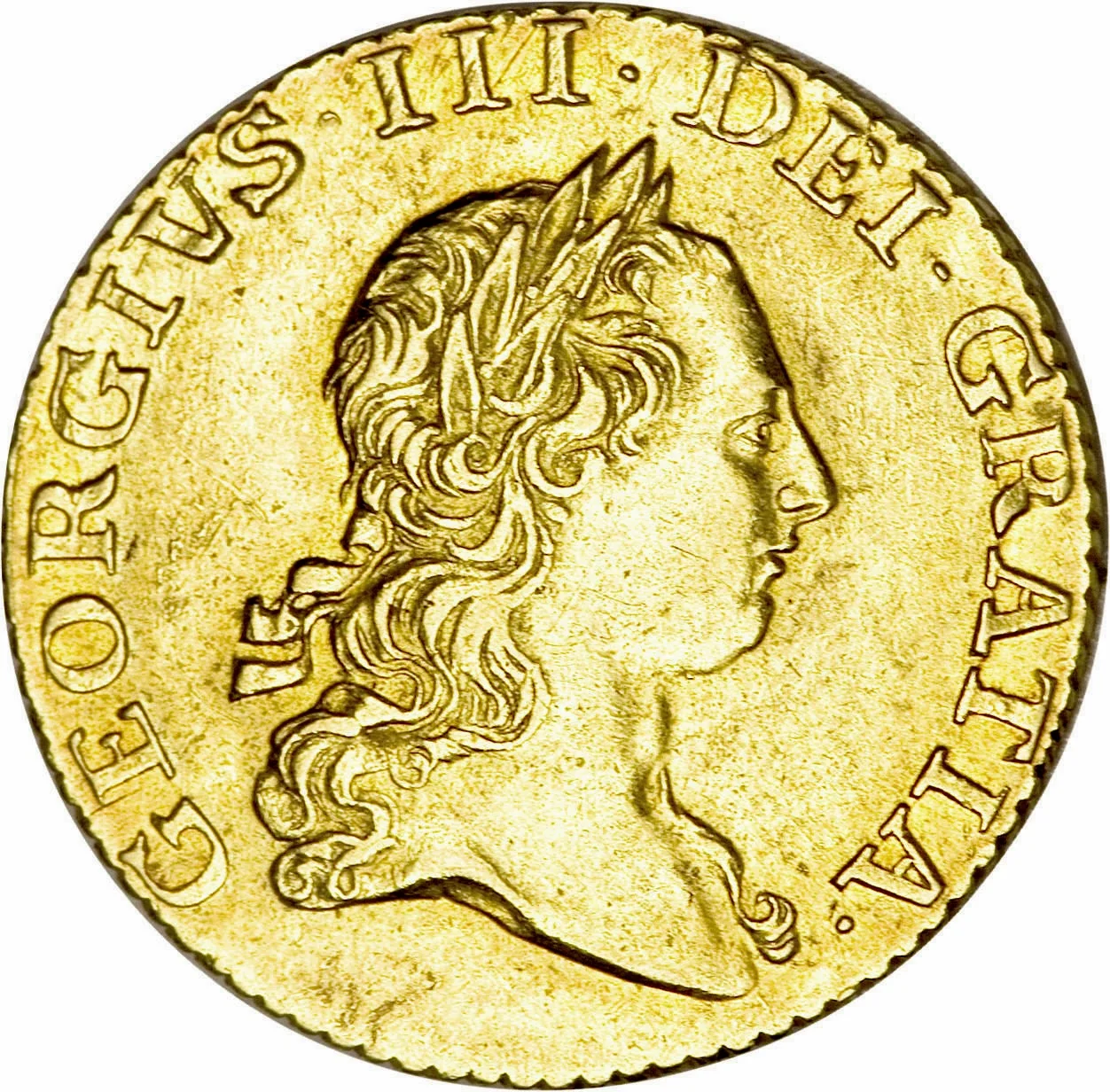
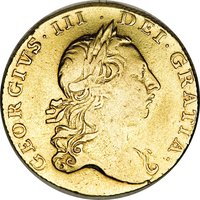
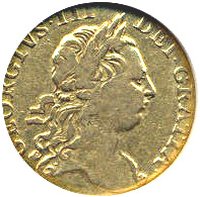
Obverse
Description:
King George III facing right, surrounded by legend.
Inscription:
GEORGIVS·III·DEI·GRATIA·
Script: Latin
Engraver: Richard Yeo
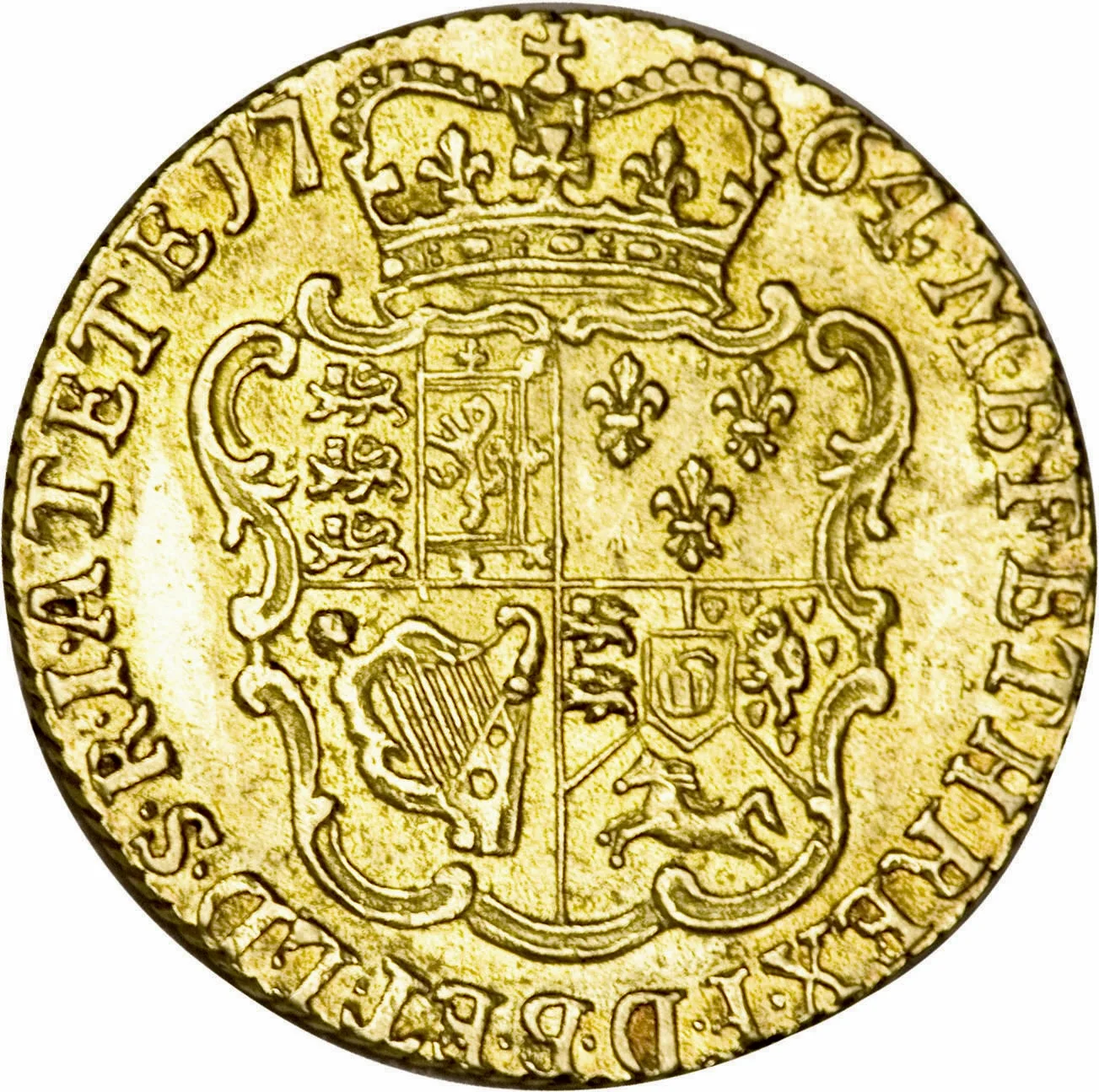
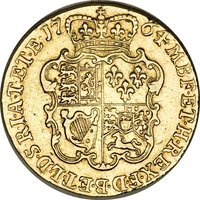
Reverse
Description:
Quartered shield, date above, legend around.
Inscription:
·M·B·F·ET·H·REX·F·D·B·ET·L·D·S·R·I·A·T·ET·E·1764
Script: Latin
Engraver: John Tanner
Edge
Mintings
| Year | Mint Mark | Mintage | Quality | Collection |
|---|---|---|---|---|
| 1764 | — | — | ||
| 1764 | — | — | Proof | |
| 1765 | — | — | ||
| 1766 | — | — | ||
| 1768 | — | — | ||
| 1769 | — | — | ||
| 1772 | — | — | ||
| 1773 | — | — | ||
| 1774 | — | — | ||
| 1775 | — | — |
Historical background
In 1764, the currency situation in the Kingdom of Great Britain was defined by a fundamental tension between a sophisticated financial system at the metropolitan core and a chronic shortage of physical specie in its American colonies. At home, Britain operated on a stable gold standard, with the pound sterling's value firmly tied to a fixed quantity of gold. This system was supported by institutions like the Bank of England, which managed public debt and issued paper notes that were widely accepted. However, this monetary order did not extend effectively across the Atlantic.
The American colonies suffered from a persistent trade imbalance with Britain, as they imported more manufactured goods than they exported in raw materials. This resulted in a continuous drain of gold and silver coin (specie) from the colonies to the mother country. To facilitate local commerce, colonies resorted to issuing their own paper money, known as "bills of credit." These bills were often not backed by specie but by future tax revenues, leading to depreciation and varying exchange rates between colonies, which complicated inter-colonial trade and debts owed to British merchants.
The year 1764 was a pivotal moment due to the passage of the Currency Act. Extending a 1751 prohibition that had applied only to New England, this new act forbade all American colonies from issuing any further paper currency as legal tender for public or private debts. Championed by British creditors who disliked being paid in depreciated colonial paper, the Act aimed to protect British merchant interests and impose imperial monetary control. Instead, it severely exacerbated the colonial specie shortage, crippling local economies, deepening resentment towards London's policies, and becoming a significant grievance in the chain of events leading to the American Revolution.
The American colonies suffered from a persistent trade imbalance with Britain, as they imported more manufactured goods than they exported in raw materials. This resulted in a continuous drain of gold and silver coin (specie) from the colonies to the mother country. To facilitate local commerce, colonies resorted to issuing their own paper money, known as "bills of credit." These bills were often not backed by specie but by future tax revenues, leading to depreciation and varying exchange rates between colonies, which complicated inter-colonial trade and debts owed to British merchants.
The year 1764 was a pivotal moment due to the passage of the Currency Act. Extending a 1751 prohibition that had applied only to New England, this new act forbade all American colonies from issuing any further paper currency as legal tender for public or private debts. Championed by British creditors who disliked being paid in depreciated colonial paper, the Act aimed to protect British merchant interests and impose imperial monetary control. Instead, it severely exacerbated the colonial specie shortage, crippling local economies, deepening resentment towards London's policies, and becoming a significant grievance in the chain of events leading to the American Revolution.

✨ Legendary