

4 pence – United Kingdom
Add to wishlist
United Kingdom
Context
Material
References
KM: #
Numista: #13100
Value
Bullion value: $4.64
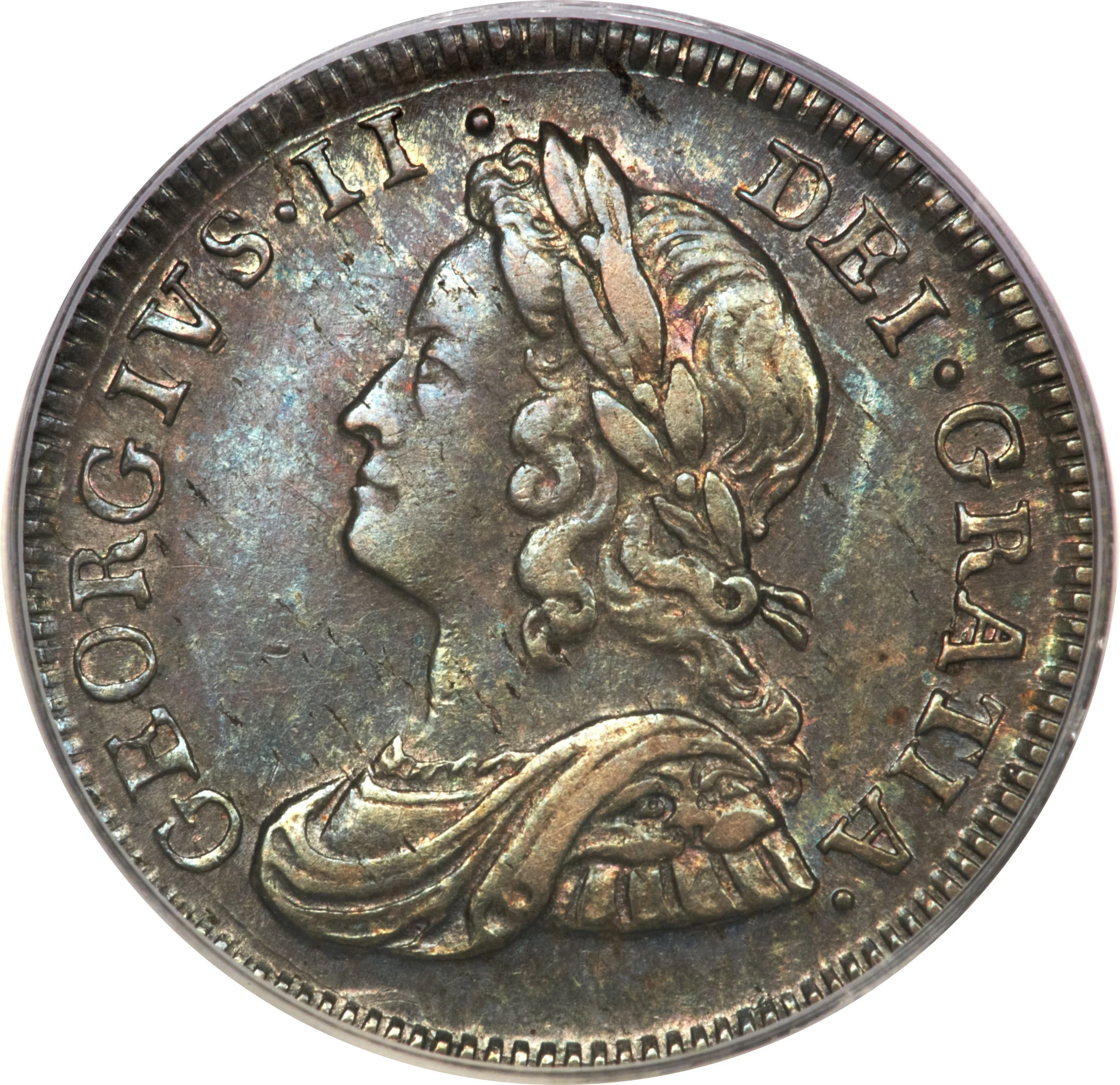
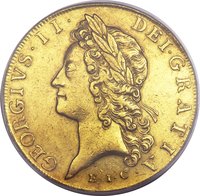
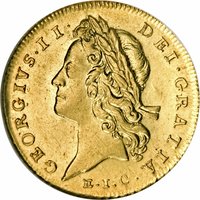
Obverse
Description:
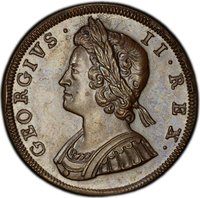
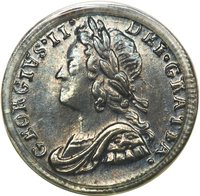
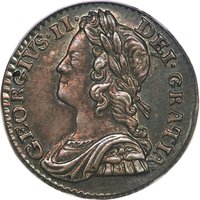
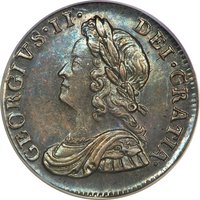
Young laureate and draped bust of George II left, encircled by legend.
Inscription:
GEORGIVS·II·DEI GRATIA·
Script: Latin
Engraver: John Croker
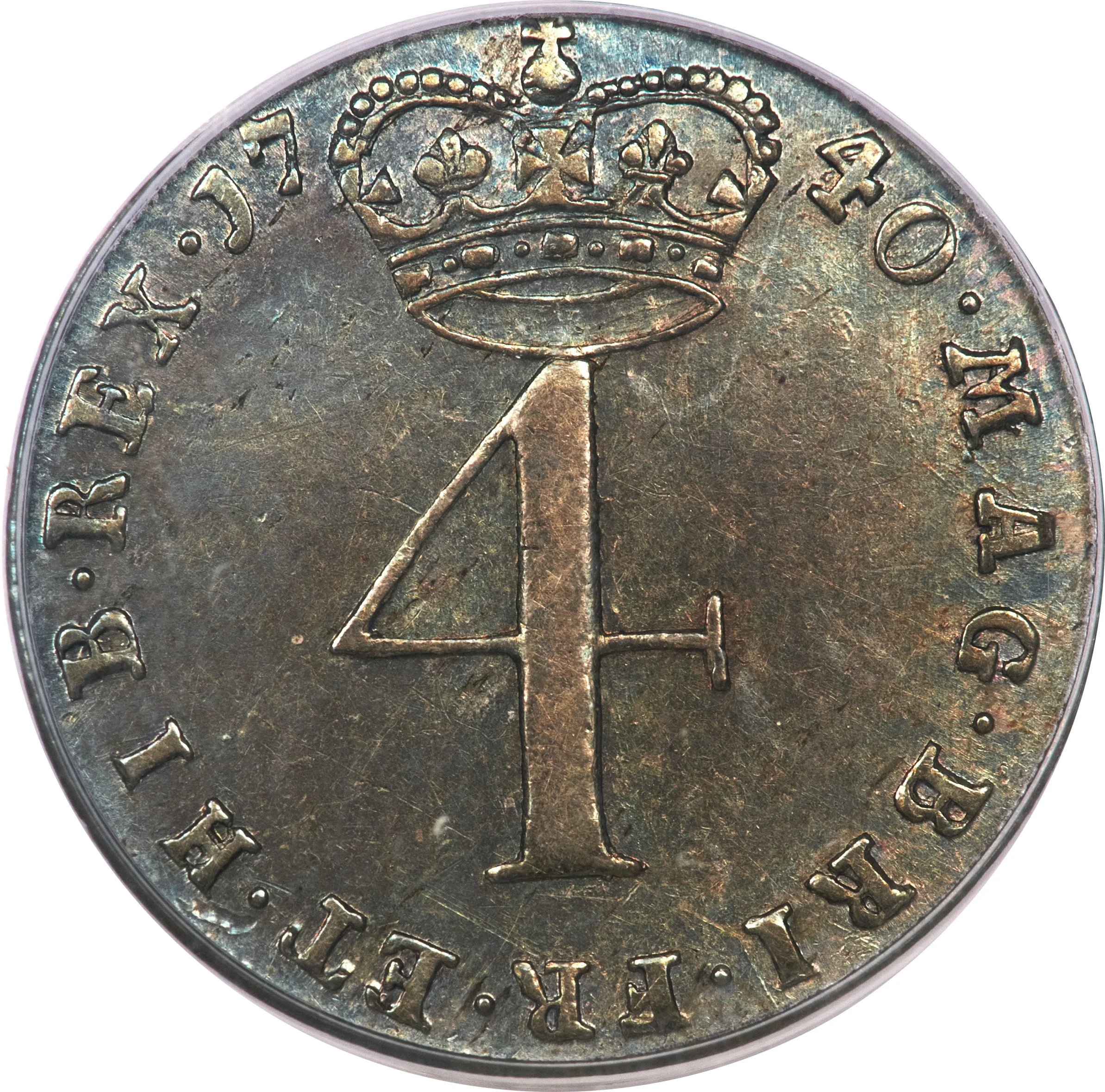
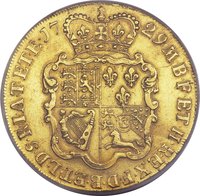
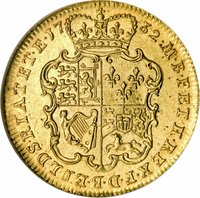
Reverse
Description:
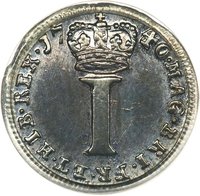
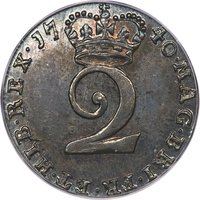
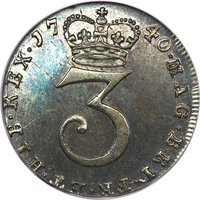
Central denomination below crown, date flanked by legend. Varieties exist (see below).
Inscription:
MAG·BRI·FR·ET·HIB·REX·17 40·
4
4
Script: Latin
Edge
Mintings
| Year | Mint Mark | Mintage | Quality | Collection |
|---|---|---|---|---|
| 1729 | — | — | ||
| 1731 | — | — | ||
| 1732 | — | — | ||
| 1735 | — | — | ||
| 1737 | — | — | ||
| 1739 | — | — | ||
| 1740 | — | — | ||
| 1743 | — | — | ||
| 1746 | — | — | ||
| 1760 | — | — |
Historical background
In 1729, the British currency system was in a state of significant strain and transition, primarily revolving around the chronic shortage of small-denomination coinage for everyday trade. Following the Great Recoinage of 1696, which established a robust silver standard, the government had ceased regular minting of silver coins due to the high market price of bullion, which made it more profitable to export or melt coins than to keep them in circulation. Consequently, the silver coinage in public hands was often worn, clipped, and deficient, while the Royal Mint's output was negligible. This created a practical crisis for ordinary transactions, hampering commerce and wages.
The void was filled by a chaotic patchwork of substitutes. Tradesmen and merchants issued private token coins and promissory notes, while the economy increasingly relied on overstruck foreign coins, particularly Spanish silver pieces of eight. At the higher end, the financial system was stabilising around paper instruments and gold. Sir Isaac Newton, as Master of the Mint, had effectively put Britain on a de facto gold standard in 1717 by undervaluing silver, leading to the rising importance of the gold guinea. However, the guinea's value in shillings was officially fixed at 21 shillings but still fluctuated, causing confusion.
The situation prompted official concern and investigation. In 1729, a committee of the Privy Council was actively examining the coinage problem, receiving representations from merchants detailing the impediments to business. While no major recoinage was enacted that year, the debates and reports of 1729 laid crucial groundwork. The eventual solution would come in the 1750s and later, but the currency landscape of 1729 is best characterised as a fractured system: a top tier moving towards gold and paper credit, and a beleaguered everyday economy struggling with a degraded and inadequate medium of exchange.
The void was filled by a chaotic patchwork of substitutes. Tradesmen and merchants issued private token coins and promissory notes, while the economy increasingly relied on overstruck foreign coins, particularly Spanish silver pieces of eight. At the higher end, the financial system was stabilising around paper instruments and gold. Sir Isaac Newton, as Master of the Mint, had effectively put Britain on a de facto gold standard in 1717 by undervaluing silver, leading to the rising importance of the gold guinea. However, the guinea's value in shillings was officially fixed at 21 shillings but still fluctuated, causing confusion.
The situation prompted official concern and investigation. In 1729, a committee of the Privy Council was actively examining the coinage problem, receiving representations from merchants detailing the impediments to business. While no major recoinage was enacted that year, the debates and reports of 1729 laid crucial groundwork. The eventual solution would come in the 1750s and later, but the currency landscape of 1729 is best characterised as a fractured system: a top tier moving towards gold and paper credit, and a beleaguered everyday economy struggling with a degraded and inadequate medium of exchange.
💎 Very Rare