

½ Penny – United Kingdom
United Kingdom
Context
Years: 1717–1719
Issuer: United Kingdom 
Ruler: George I
Currency:
(1158—1970)
Demonetization: 31 December 1869
Material
References
KM: #Click to copy to clipboard549
Numista: #13081
Obverse
Description:
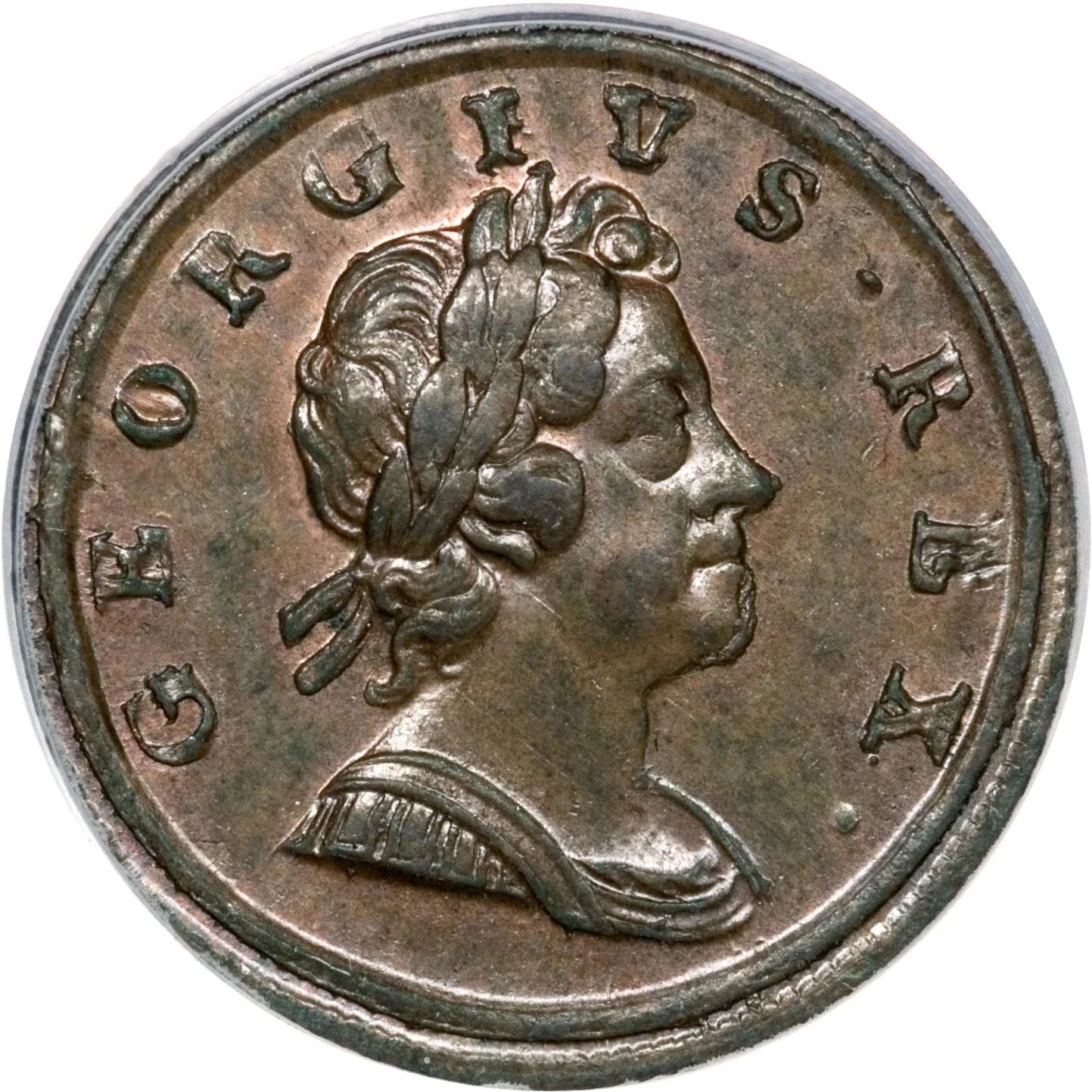
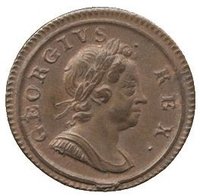
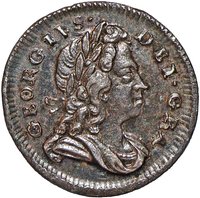
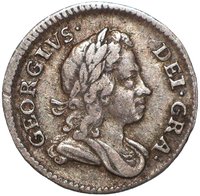
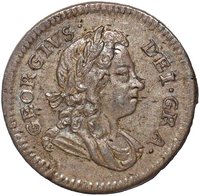
Laureate and cuirassed portrait of King George I facing right, legend continuous.
Inscription:
GEORGIVS· REX·
Script: Latin
Engraver: John Croker
Reverse
Description:
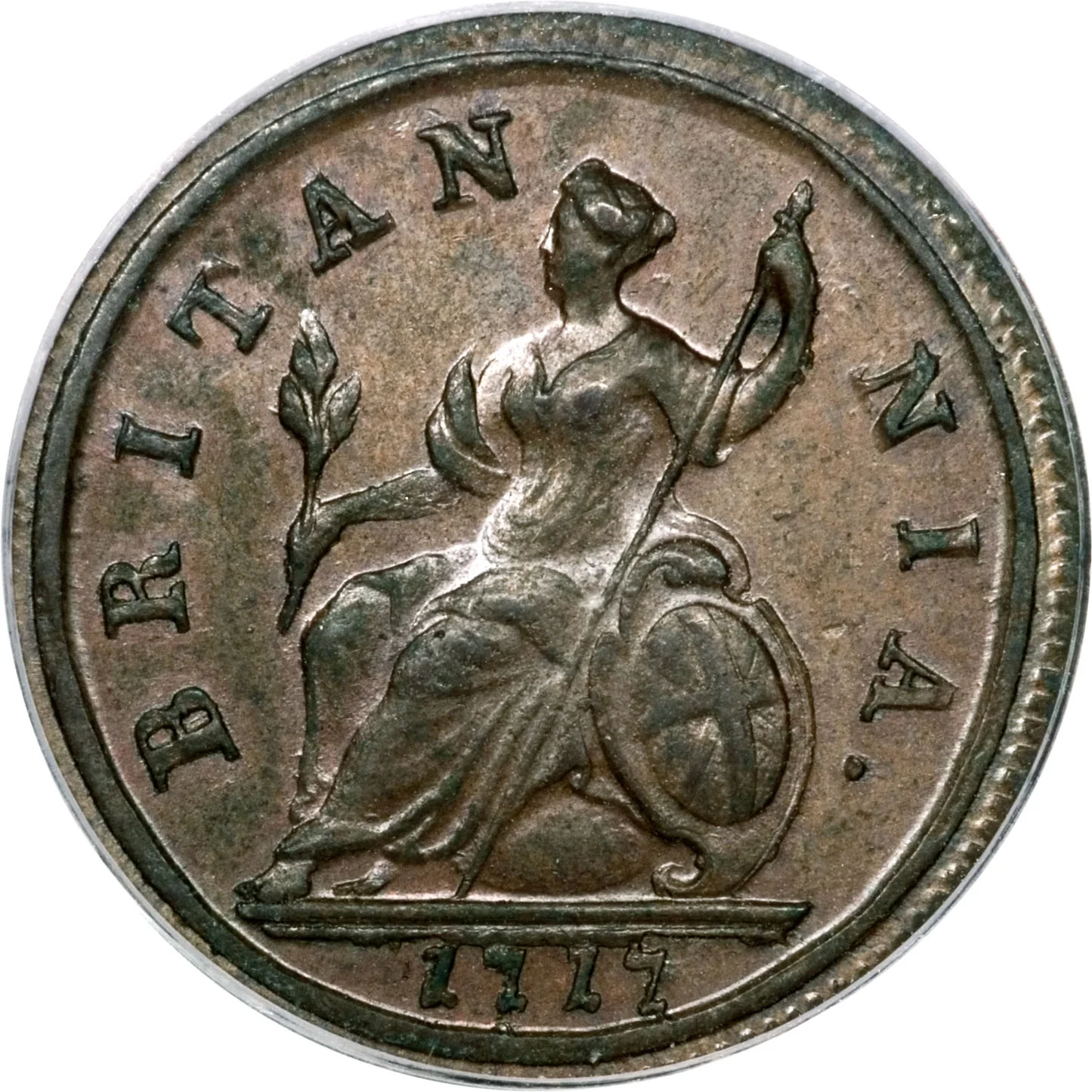
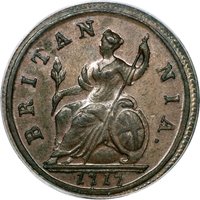
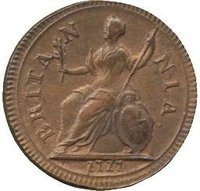
Britannia seated left, holding trident and olive branch, with Union Jack shield beside her; legend around, date below.
Inscription:
BRITAN NIA.
1717
1717
Script: Latin
Edge
Plain
Mints
| Name | Mark |
|---|---|
| Royal Mint (Tower of London) | — |
Mintings
| Year | Mint Mark | Mintage | Quality | Collection |
|---|---|---|---|---|
| 1717 | — | — | ||
| 1717 | — | — | Proof | |
| 1718 | — | — | ||
| 1719 | — | — |
Historical background
In 1717, the United Kingdom faced a critical monetary dilemma rooted in the coexistence of two precious metals, gold and silver, as legal tender. This bimetallic system was governed by an official mint ratio, which set the value of one guinea (a gold coin) at 21 shillings in silver. However, the market value of gold had fallen relative to silver on the European continent, making British gold coins officially overvalued at the Mint. Consequently, it became profitable to export full-weight silver coins to Europe for melting or trade, leading to a severe shortage of silver currency in domestic circulation. The nation was effectively on the brink of a silver crisis, with only worn and clipped silver coins remaining in everyday use.
The situation demanded decisive action from the government, led by Sir Isaac Newton in his role as Master of the Royal Mint. After careful analysis, Newton presented a report to the Treasury in September 1717, recommending a technical adjustment to address the imbalance. His key proposal was to reduce the guinea's value from 21 shillings and sixpence to 21 shillings flat. More significantly, he implicitly recognised that the market had already shifted, and his measures effectively placed Britain on a de facto gold standard by accident. The overvaluation of gold was now locked in, ensuring gold would be the metal brought to the Mint for coinage, while silver continued to flow out.
The long-term consequences of this 1717 reform were profound and unintended. Rather than restoring a functioning bimetallic system, it set the UK on a path toward a formal gold standard, which would be solidified a century later. Silver was legally relegated to a subsidiary role for smaller transactions, with its legal tender status limited. Thus, a temporary fix for a currency drain initiated a fundamental shift in the British monetary system, anchoring the pound sterling to gold and shaping the nation's financial architecture for over two centuries.
The situation demanded decisive action from the government, led by Sir Isaac Newton in his role as Master of the Royal Mint. After careful analysis, Newton presented a report to the Treasury in September 1717, recommending a technical adjustment to address the imbalance. His key proposal was to reduce the guinea's value from 21 shillings and sixpence to 21 shillings flat. More significantly, he implicitly recognised that the market had already shifted, and his measures effectively placed Britain on a de facto gold standard by accident. The overvaluation of gold was now locked in, ensuring gold would be the metal brought to the Mint for coinage, while silver continued to flow out.
The long-term consequences of this 1717 reform were profound and unintended. Rather than restoring a functioning bimetallic system, it set the UK on a path toward a formal gold standard, which would be solidified a century later. Silver was legally relegated to a subsidiary role for smaller transactions, with its legal tender status limited. Thus, a temporary fix for a currency drain initiated a fundamental shift in the British monetary system, anchoring the pound sterling to gold and shaping the nation's financial architecture for over two centuries.
🌟 Uncommon