

4 Pence – United Kingdom
United Kingdom
Context

Material
References
KM: #Click to copy to clipboard515
Numista: #13059
Value
Bullion value: $5.37
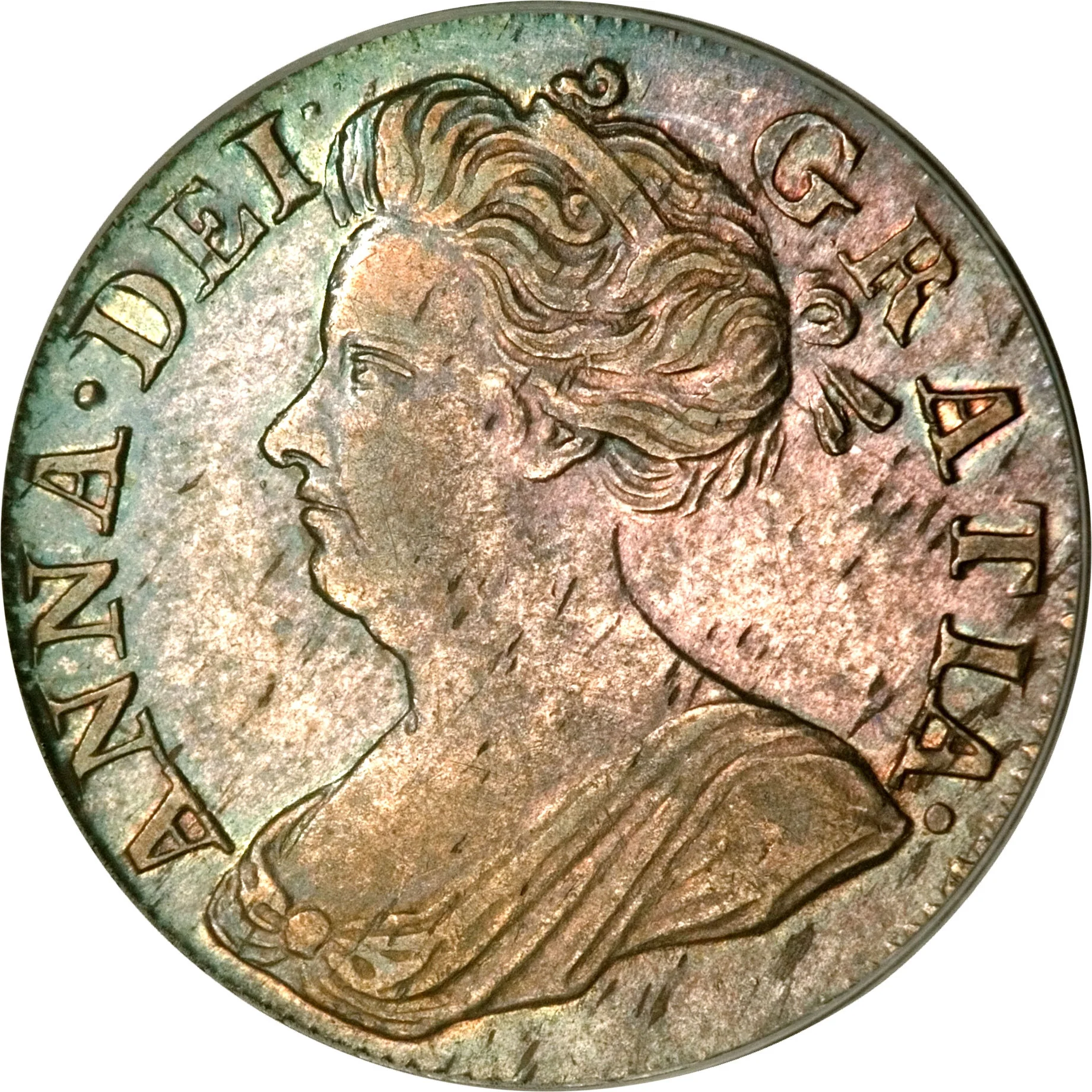
Obverse
Description:
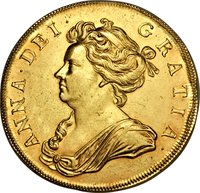
Queen Anne left-facing bust, legend surrounding.
Inscription:
ANNA·DEI· GRATIA·
Script: Latin
Engraver: John Croker
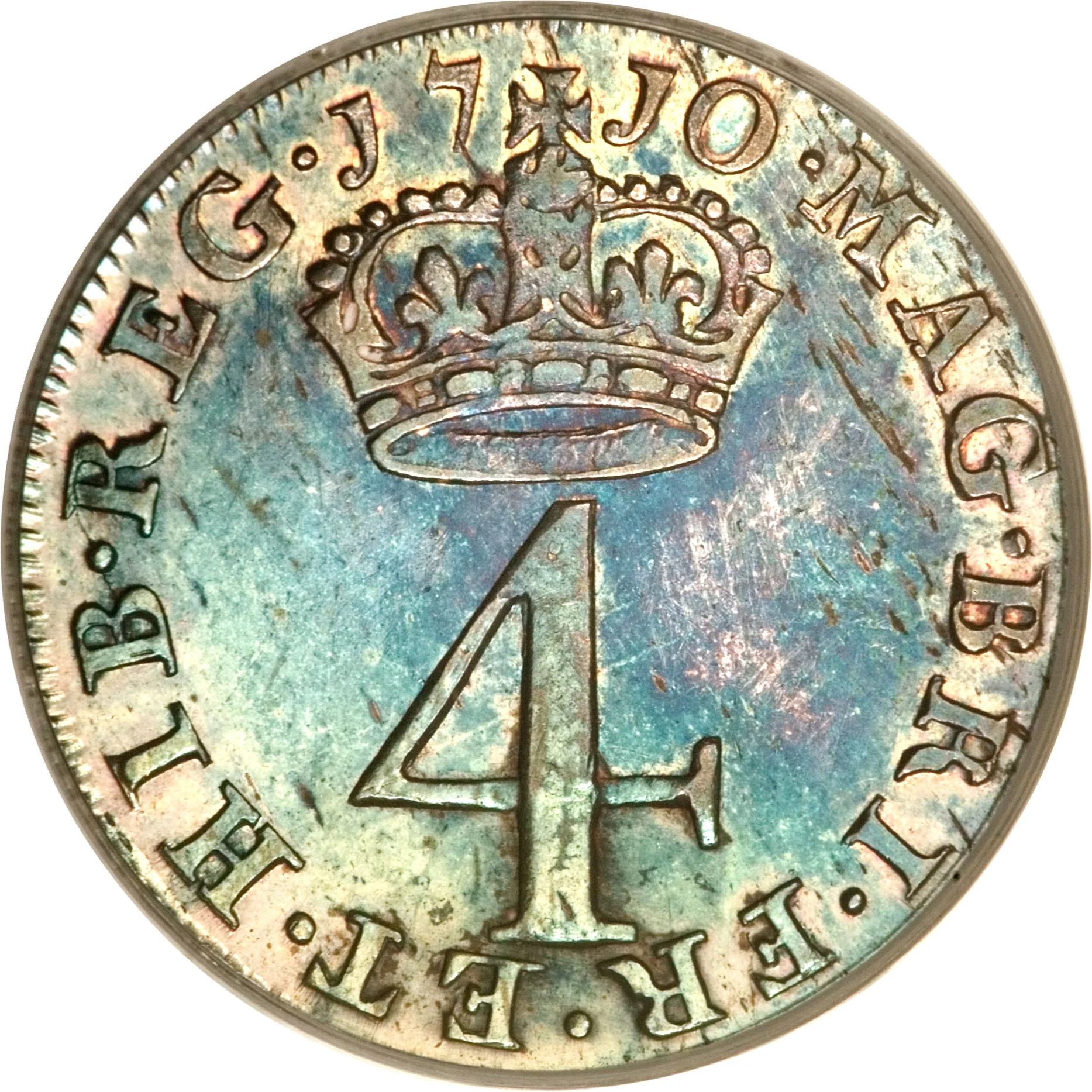
Reverse
Description:
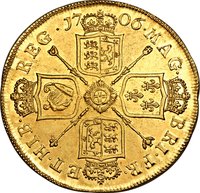
Central denomination below crown, date flanked by legend.
Inscription:
MAG·BRI·FR·ET·HIB·REG·17 10·
4
4
Script: Latin
Edge
Mintings
| Year | Mint Mark | Mintage | Quality | Collection |
|---|---|---|---|---|
| 1703 | — | — | ||
| 1704 | — | — | ||
| 1705 | — | — | ||
| 1706 | — | — | ||
| 1708 | — | — | ||
| 1709 | — | — | ||
| 1710 | — | — | ||
| 1713 | — | — |
Historical background
In 1703, the currency situation in the United Kingdom was complex and precarious, caught between the pressures of international trade and a domestic coinage in severe physical disrepair. The nation operated on a silver standard, where the value of the pound sterling was defined by a specific weight of sterling silver. However, the silver coins in circulation, most notably the hammered shillings and crowns from the pre-1662 era, were heavily worn, clipped (edges shaved off), and often counterfeit. This meant the actual silver content of a coin in hand was frequently far less than its face value, undermining both public trust and the integrity of the monetary system.
The root cause was the official mint price for silver being set below its market value in Europe. Consequently, full-weight silver coins were either hoarded domestically or, more damagingly, exported to the Continent where they could be melted down for a profit. This process, known as the "melting pot," drained the kingdom of sound money, leaving only the degraded coinage in active circulation. Attempts to rectify this, such as the Great Recoinage of 1696 under William III, had been only partially successful; the recoinage was ruinously expensive and the underlying economic imbalance remained unresolved.
Therefore, in 1703, the system was in a fragile and transitional state. The government and thinkers like Isaac Newton, who would become Master of the Mint in 1699, were grappling with the problem. The situation was pushing the country, almost inexorably, towards the adoption of a de facto gold standard. Gold coins, particularly the guinea (originally worth 20 shillings but fluctuating with the gold price), were increasingly used for large transactions. The critical shift would come in 1717, when Newton, as Master, would formally overvalue gold in relation to silver at the Mint, a policy that ultimately cemented Britain's move to a gold-based monetary system for the next two centuries.
The root cause was the official mint price for silver being set below its market value in Europe. Consequently, full-weight silver coins were either hoarded domestically or, more damagingly, exported to the Continent where they could be melted down for a profit. This process, known as the "melting pot," drained the kingdom of sound money, leaving only the degraded coinage in active circulation. Attempts to rectify this, such as the Great Recoinage of 1696 under William III, had been only partially successful; the recoinage was ruinously expensive and the underlying economic imbalance remained unresolved.
Therefore, in 1703, the system was in a fragile and transitional state. The government and thinkers like Isaac Newton, who would become Master of the Mint in 1699, were grappling with the problem. The situation was pushing the country, almost inexorably, towards the adoption of a de facto gold standard. Gold coins, particularly the guinea (originally worth 20 shillings but fluctuating with the gold price), were increasingly used for large transactions. The critical shift would come in 1717, when Newton, as Master, would formally overvalue gold in relation to silver at the Mint, a policy that ultimately cemented Britain's move to a gold-based monetary system for the next two centuries.
⭐ Rare