

2 Pence – England
United Kingdom
Context
Years: 1668–1684
Country: United Kingdom 
Issuer: England 
Ruler: Charles II
Currency:
(1158—1970)
Demonetized: Yes
Material
References
KM: #Click to copy to clipboard429
Numista: #13052
Value
Bullion value: $2.63
Obverse
Description:
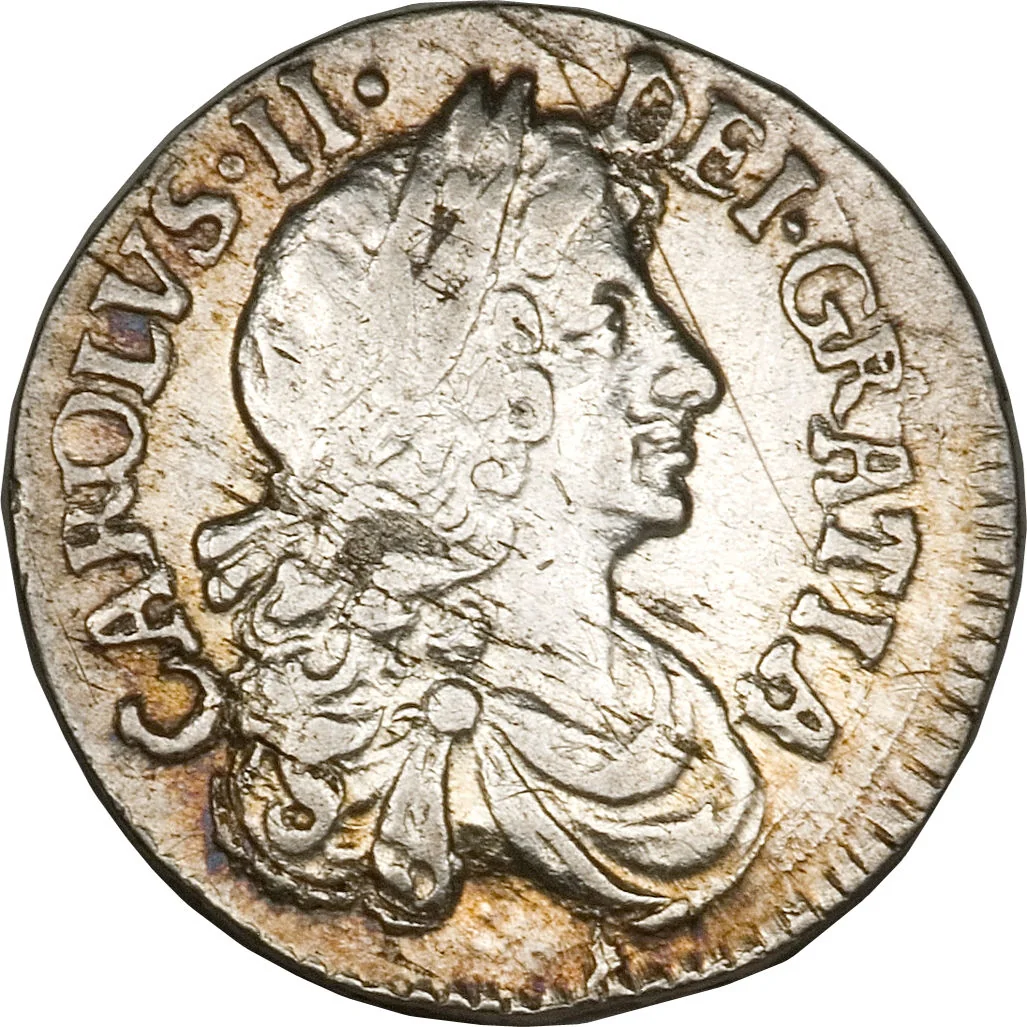
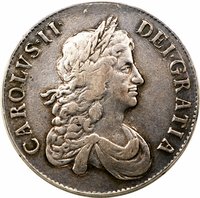
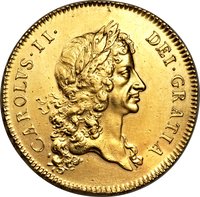
King Charles II laureate, draped bust right, with surrounding legend.
Inscription:
CAROLVS·II· DEI·GRATIA
Script: Latin
Engraver: John Roetier
Reverse
Description:
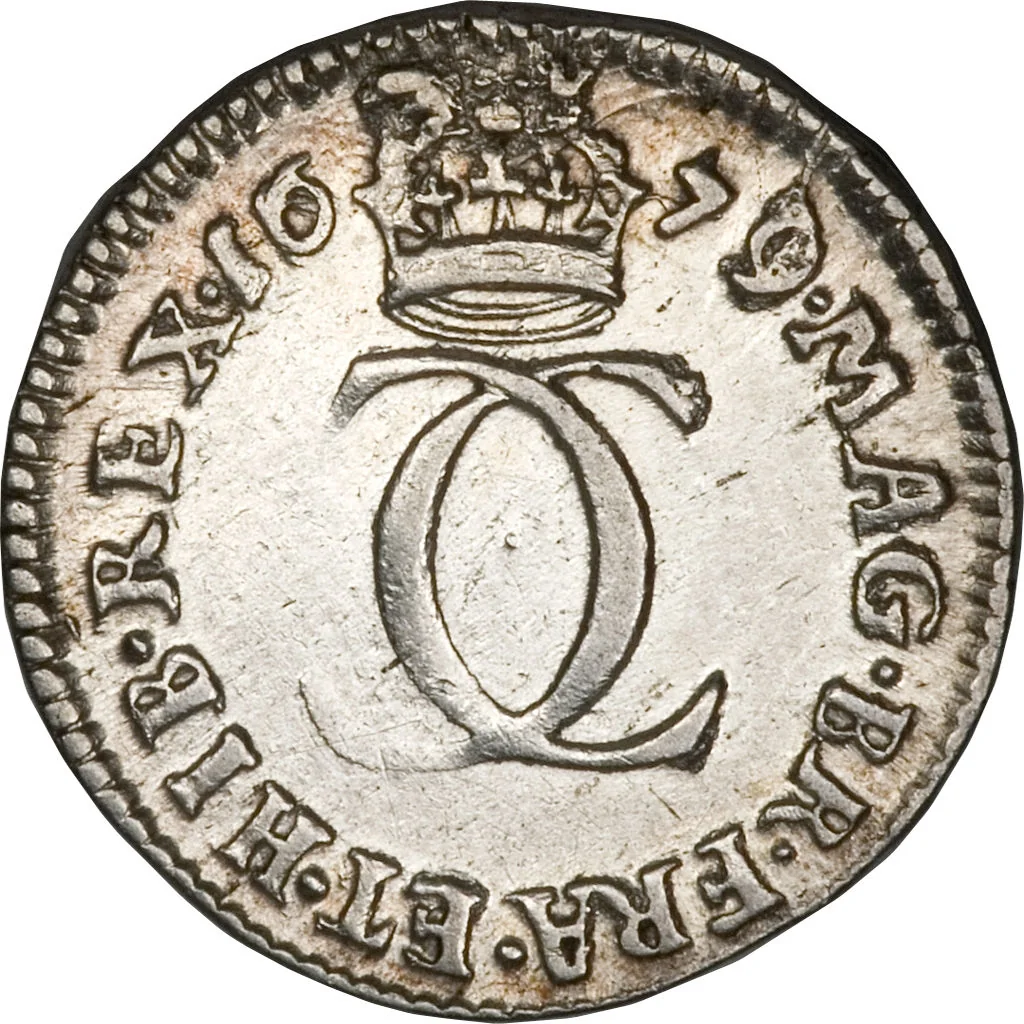
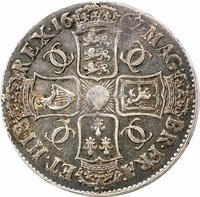
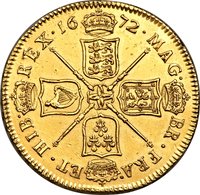
Crowned C's flank date, legend surrounds.
Inscription:
MAG·BR·FRA·ET·HIB·REX·16 79·
CC
CC
Script: Latin
Engraver: John Roetier
Edge
Mintings
| Year | Mint Mark | Mintage | Quality | Collection |
|---|---|---|---|---|
| 1668 | — | — | ||
| 1668 | — | — | Prooflike | |
| 1670 | — | — | ||
| 1671 | — | — | ||
| 1672 | — | — | ||
| 1673 | — | — | ||
| 1674 | — | — | ||
| 1675 | — | — | ||
| 1676 | — | — | ||
| 1677 | — | — | ||
| 1678 | — | — | ||
| 1679 | — | — | ||
| 1680 | — | — | ||
| 1681 | — | — | ||
| 1682 | — | — | ||
| 1683 | — | — | ||
| 1684 | — | — |
Historical background
In 1668, England’s currency was in a state of significant debasement and disorder, a legacy of the Civil War and preceding monarchs. The silver coinage in circulation was heavily worn, clipped (where edges were shaved off), and counterfeited, reducing its intrinsic bullion value. This created a critical problem of trust: people hoarded newer, full-weight coins, while only the worn and clipped ones remained in active use, following Gresham’s Law that "bad money drives out good." Consequently, the pound sterling’s value in foreign exchange was falling, harming England’s commercial reputation and complicating trade.
The situation presented a dire fiscal challenge for the Crown, restored to Charles II just eight years earlier. The government’s revenue, collected in this degraded specie, was worth less in real terms, straining the royal finances. Furthermore, the rise of sophisticated banking and credit systems, including the founding of the goldsmith bankers who held deposits and issued notes, highlighted the inadequacy of the physical currency. A practical solution was urgently needed to stabilise the economy and secure the state’s financial base.
The year 1668 itself was a pivotal point of deliberation. It fell within a period of intense investigation by the King’s advisors, most notably the brilliant scientist Sir Isaac Newton, who would later become Warden of the Mint. While the great recoinage of the 1690s under William III is more famous, the groundwork for reform was being laid in this era. In 1668, the Treasury was actively exploring options, understanding that restoring the coinage’s integrity was essential for economic stability, reliable taxation, and England’s future as a mercantile power.
The situation presented a dire fiscal challenge for the Crown, restored to Charles II just eight years earlier. The government’s revenue, collected in this degraded specie, was worth less in real terms, straining the royal finances. Furthermore, the rise of sophisticated banking and credit systems, including the founding of the goldsmith bankers who held deposits and issued notes, highlighted the inadequacy of the physical currency. A practical solution was urgently needed to stabilise the economy and secure the state’s financial base.
The year 1668 itself was a pivotal point of deliberation. It fell within a period of intense investigation by the King’s advisors, most notably the brilliant scientist Sir Isaac Newton, who would later become Warden of the Mint. While the great recoinage of the 1690s under William III is more famous, the groundwork for reform was being laid in this era. In 1668, the Treasury was actively exploring options, understanding that restoring the coinage’s integrity was essential for economic stability, reliable taxation, and England’s future as a mercantile power.
⭐ Somewhat Rare