

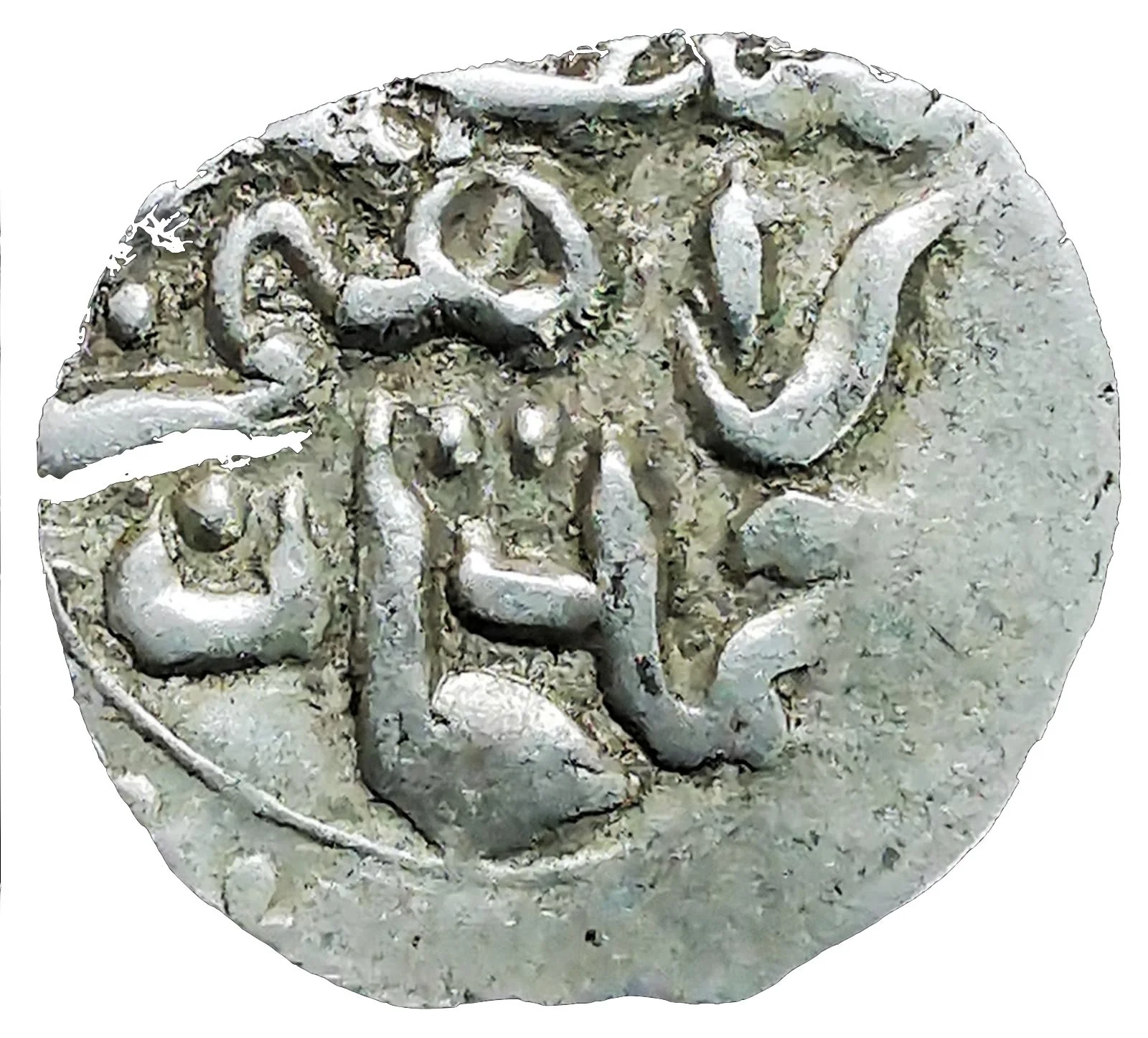
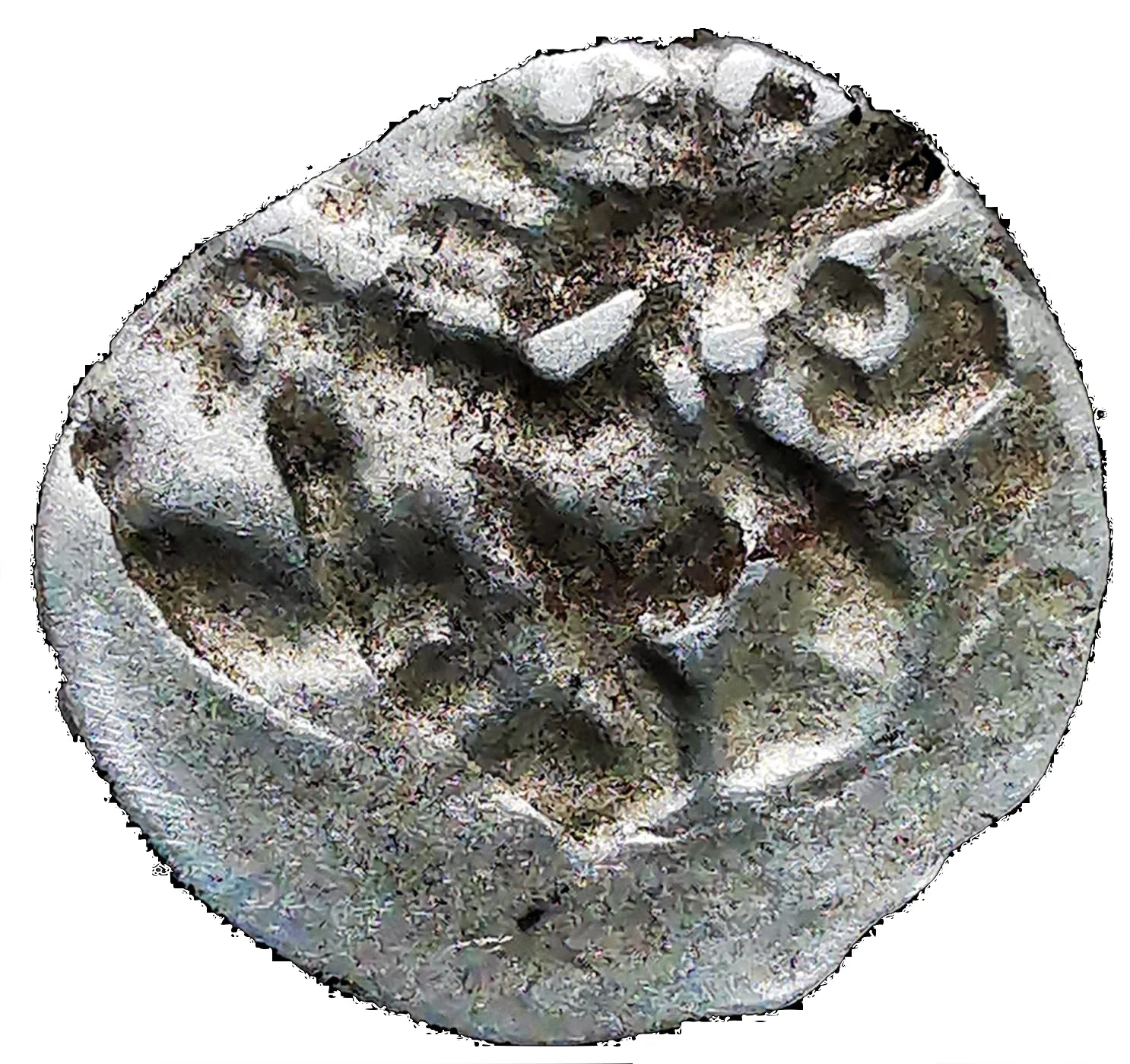
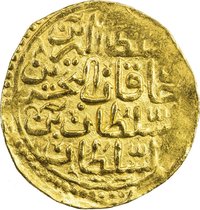
1 Akce – Damascus Eyalet
Syria
Context
Year: 1617
Islamic (Hijri) Year: 1026
Country: Syria 
Issuer: Damascus Eyalet
Ruler: Mustafa I
Currency:
(1516—1687)
Demonetized: Yes
Material
Diameter: 13 mm
Weight: 0.36 g
Silver weight: 0.36 g
Shape: Irregular round
Composition: Silver
Magnetic: No
References
KM: #Click to copy to clipboardA25
Numista: #103071
Value
Bullion value: $1.04
Mints
| Name | Mark |
|---|---|
| Damascus | — |
Mintings
| Year | Mint Mark | Mintage | Quality | Collection |
|---|---|---|---|---|
| 1617 | — | — |
Historical background
In 1617, the currency situation in Damascus Eyalet, a vast Ottoman province encompassing modern-day Syria, Lebanon, Jordan, and parts of Israel and Palestine, was characterized by a complex and often chaotic multi-metallic system. The official Ottoman currency, the silver akçe, served as the basic unit of account, but its value had been severely eroded by decades of debasement and inflation. This was largely driven by the Ottoman Empire's financial strains from prolonged wars, particularly with the Safavid Empire, which led the central mint in Istanbul to repeatedly reduce the silver content of newly minted coins to fund state expenditures.
Consequently, a variety of foreign and large-denomination coins circulated widely to facilitate larger transactions, creating a fragmented monetary environment. The Spanish silver real (or "piece of eight"), brought through Mediterranean trade, was a dominant and trusted high-value currency in Damascus's bustling markets. Alongside it, the Ottoman gold sultani and the larger silver para (worth 3-4 akçe) were crucial for state finance and major commerce. This proliferation of coins of varying intrinsic values and origins necessitated constant exchange and assay by money changers (sarrafs), leading to localized exchange rates and frequent opportunities for fraud.
The situation placed a significant burden on the local economy and the provincial administration. Governor Mehmed Pasha and his officials had to collect taxes, pay soldiers, and finance projects using an unstable medium, while merchants and peasants alike faced uncertainty in daily transactions. The chronic shortage of small change (the debased akçe) for minor purchases further strained the local bazaars. Thus, the monetary landscape of Damascus Eyalet in 1617 was one of pragmatic adaptation to imperial fiscal policy, defined by the coexistence of official debased coinage, coveted foreign silver, and the constant calculations of value that shaped economic life.
Consequently, a variety of foreign and large-denomination coins circulated widely to facilitate larger transactions, creating a fragmented monetary environment. The Spanish silver real (or "piece of eight"), brought through Mediterranean trade, was a dominant and trusted high-value currency in Damascus's bustling markets. Alongside it, the Ottoman gold sultani and the larger silver para (worth 3-4 akçe) were crucial for state finance and major commerce. This proliferation of coins of varying intrinsic values and origins necessitated constant exchange and assay by money changers (sarrafs), leading to localized exchange rates and frequent opportunities for fraud.
The situation placed a significant burden on the local economy and the provincial administration. Governor Mehmed Pasha and his officials had to collect taxes, pay soldiers, and finance projects using an unstable medium, while merchants and peasants alike faced uncertainty in daily transactions. The chronic shortage of small change (the debased akçe) for minor purchases further strained the local bazaars. Thus, the monetary landscape of Damascus Eyalet in 1617 was one of pragmatic adaptation to imperial fiscal policy, defined by the coexistence of official debased coinage, coveted foreign silver, and the constant calculations of value that shaped economic life.
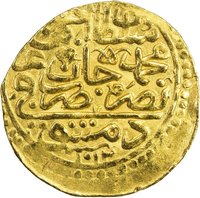

✨ Legendary