

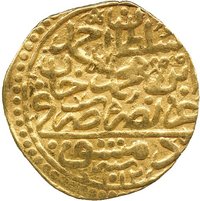
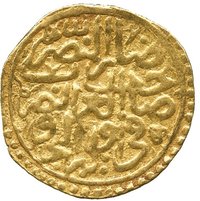
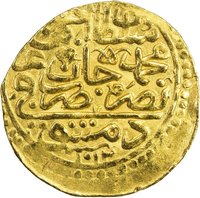
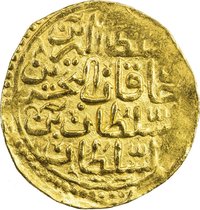
1 dirhem – Damascus Eyalet
Add to wishlist
Syria
Context
Year: 1603
Islamic (Hijri) Year:: 1012
Country: Syria
Issuer: Damascus Eyalet
Ruler: Ahmed I
Currency:
(1516—1687)
Demonetized: Yes
Material
Diameter: 16 mm
Weight: 2.91 g
Silver Weight:: 2.91 g
Shape: Irregular round
Composition: Silver
Magnetic: No
References
KM: #
Numista: #103062
Value
Bullion value: $7.38
Obverse
Reverse
Edge
Mints
| Name | Mark |
|---|---|
| Damascus | — |
Mintings
| Year | Mint Mark | Mintage | Quality | Collection |
|---|---|---|---|---|
| 1603 | — | — |
Historical background
In 1603, the currency situation in Damascus Eyalet, a key Ottoman province encompassing much of the Levant, was characterized by severe instability and devaluation, symptomatic of the broader "Great Debasement" crisis gripping the empire. The primary currency, the silver akçe, had been drastically reduced in silver content over the preceding decades to finance costly wars, leading to rampant inflation. This was exacerbated by a flood of cheap foreign silver, particularly Spanish "pieces of eight" from the Americas, which entered through trade and further disrupted local markets. The result was a chaotic monetary environment where the intrinsic value of coins often fell below their face value, causing widespread hoarding of older, purer coins (Gresham's Law) and a loss of public trust.
The economic turmoil directly impacted daily life and governance in Damascus. Soldiers and officials paid in debased coinage saw their real incomes plummet, leading to frequent unrest and demands for payment in "good money." This fiscal pressure contributed to local rebellions and strained the province's administration. Furthermore, the instability disrupted the vital Hajj caravan, which Damascus was responsible for organizing and financing, as securing supplies and paying guards became more costly and complex. The currency crisis thus weakened the social contract and the state's ability to maintain order and fulfill its core functions.
Local authorities and merchants responded with adaptive, if inefficient, measures. Transactions increasingly relied on a complex system of money-changers (sarrafs) who assessed the actual metal content of individual coins, creating a dual system of official and market exchange rates. There was also a partial shift toward using gold sultani coins for large transactions and the persistence of barter in local markets. While the central Ottoman government attempted monetary reforms, their effect in Damascus in 1603 was limited, leaving the eyalet to grapple with the immediate consequences of an imperial financial crisis that eroded economic stability and administrative control.
The economic turmoil directly impacted daily life and governance in Damascus. Soldiers and officials paid in debased coinage saw their real incomes plummet, leading to frequent unrest and demands for payment in "good money." This fiscal pressure contributed to local rebellions and strained the province's administration. Furthermore, the instability disrupted the vital Hajj caravan, which Damascus was responsible for organizing and financing, as securing supplies and paying guards became more costly and complex. The currency crisis thus weakened the social contract and the state's ability to maintain order and fulfill its core functions.
Local authorities and merchants responded with adaptive, if inefficient, measures. Transactions increasingly relied on a complex system of money-changers (sarrafs) who assessed the actual metal content of individual coins, creating a dual system of official and market exchange rates. There was also a partial shift toward using gold sultani coins for large transactions and the persistence of barter in local markets. While the central Ottoman government attempted monetary reforms, their effect in Damascus in 1603 was limited, leaving the eyalet to grapple with the immediate consequences of an imperial financial crisis that eroded economic stability and administrative control.

✨ Legendary