

1 crown – England
Add to wishlist
United Kingdom
Context
Years: 1687–1688
Country: United Kingdom
Issuer: England
Ruler: James II
Currency:
(1158—1970)
Demonetized: Yes
Material
References
KM: #
Numista: #12957
Value
Bullion value: $71.15
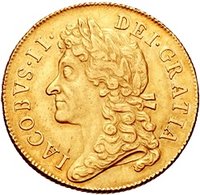
Obverse
Description:
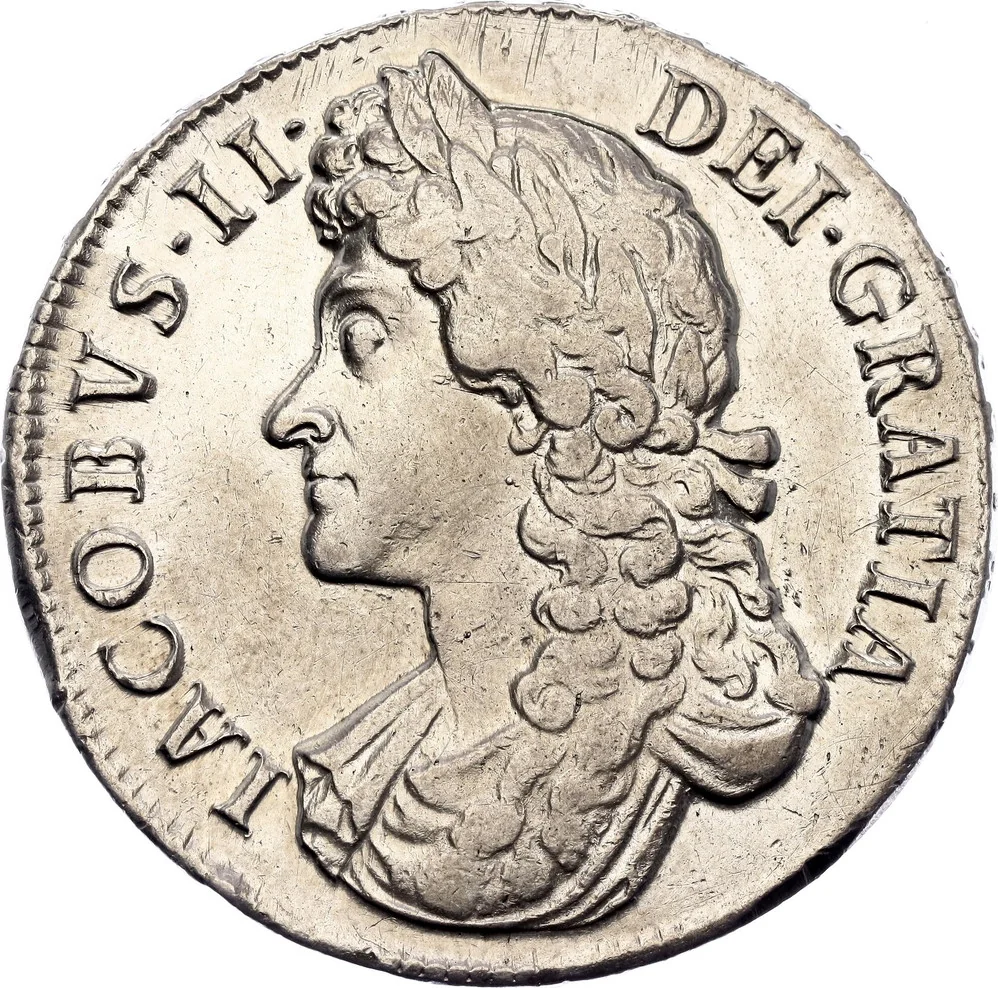
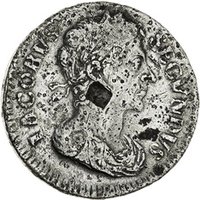
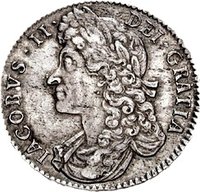
Second laureate, draped bust of James II left, legend around. Note: narrower than first bust.
Inscription:
IACOBVS·II· DEI·GRATIA
Script: Latin
Engraver: John Roettier
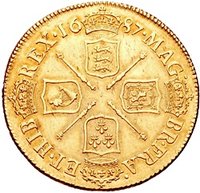
Reverse
Description:
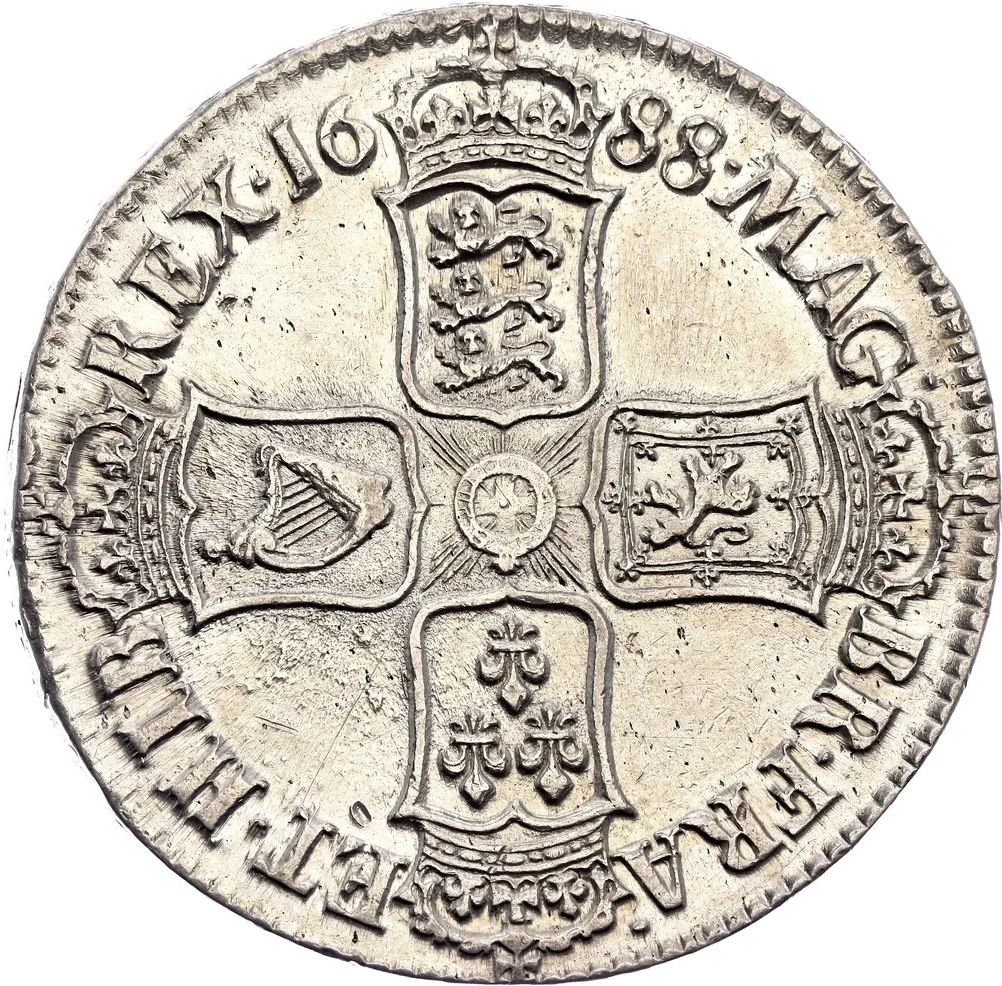
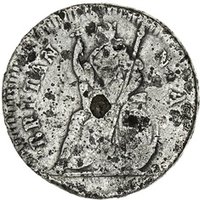
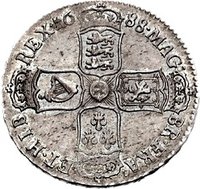
Crowned cruciform shields flanking central Garter star, date above, legend surrounding.
Inscription:
MAG· BR·FRA· ET·HIB REX·16 87·
Script: Latin
Engraver: John Roettier
Edge
Regnal year in Latin
Legend:
DECVS ET TUTAMEN ANNO REGNI TERTIO
Mintings
| Year | Mint Mark | Mintage | Quality | Collection |
|---|---|---|---|---|
| 1687 | — | — | ||
| 1688 | — | — |
Historical background
In 1687, England operated under a bimetallic monetary system, with both gold and silver serving as legal tender. The official unit of account was the pound sterling, subdivided into shillings and pence, but the physical currency in circulation was a complex mix. This included hand-hammered silver coins, like the crown and shilling, which were often worn, clipped, or counterfeit, leading to a significant shortfall in their intrinsic metal value compared to their face value. Alongside these, foreign coins, particularly Spanish silver pieces of eight and Dutch guilders, circulated widely to facilitate trade, while the relatively new machine-struck gold guinea, valued at 20 shillings, was gaining prominence.
This situation created severe economic instability. The poor state of the silver coinage, a problem decades in the making, meant the realm’s primary currency was fundamentally degraded. Because the silver in a clipped coin was worth less than its nominal value, it drove "good" unclipped coins out of circulation, as they were hoarded or melted down for bullion—an example of Gresham’s Law in action. This undermined both domestic commerce and the government's ability to collect taxes efficiently, as the value of payments was constantly in dispute. Furthermore, the fluctuating market price of gold against silver made the guinea's official valuation problematic, causing periodic disruptions.
The monetary crisis was deeply intertwined with the political turmoil of the reign of King James II. His controversial Catholic policies and assertions of royal prerogative created an atmosphere of distrust, making any comprehensive recoinage or fiscal reform politically fraught. Merchants and financiers in London, whose confidence was essential for economic stability, were largely opposed to the king. Consequently, while the need for a major recoinage was widely acknowledged, decisive action was stalled. The resolution would only come after the Glorious Revolution of 1688–89, when the new regime of William and Mary, backed by Parliament, would undertake the Great Recoinage of 1696 to finally restore the currency's integrity.
This situation created severe economic instability. The poor state of the silver coinage, a problem decades in the making, meant the realm’s primary currency was fundamentally degraded. Because the silver in a clipped coin was worth less than its nominal value, it drove "good" unclipped coins out of circulation, as they were hoarded or melted down for bullion—an example of Gresham’s Law in action. This undermined both domestic commerce and the government's ability to collect taxes efficiently, as the value of payments was constantly in dispute. Furthermore, the fluctuating market price of gold against silver made the guinea's official valuation problematic, causing periodic disruptions.
The monetary crisis was deeply intertwined with the political turmoil of the reign of King James II. His controversial Catholic policies and assertions of royal prerogative created an atmosphere of distrust, making any comprehensive recoinage or fiscal reform politically fraught. Merchants and financiers in London, whose confidence was essential for economic stability, were largely opposed to the king. Consequently, while the need for a major recoinage was widely acknowledged, decisive action was stalled. The resolution would only come after the Glorious Revolution of 1688–89, when the new regime of William and Mary, backed by Parliament, would undertake the Great Recoinage of 1696 to finally restore the currency's integrity.
Series: 1687 England circulation coins
💎 Very Rare