

1 Zecchino – Malta
Malta
Context
Material
References
KM: #Click to copy to clipboard17
Numista: #129512
Value
Bullion value: $550.87
Obverse
Description:
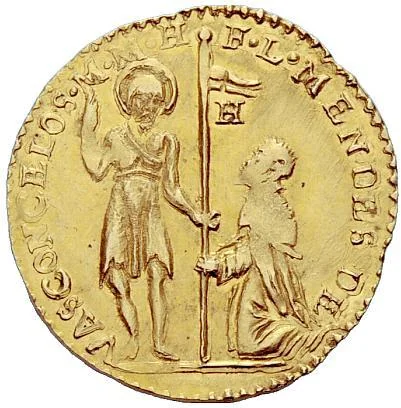
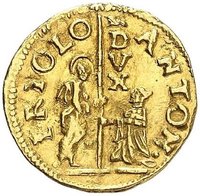
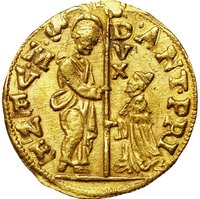
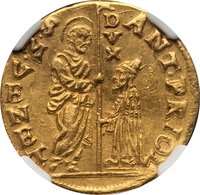
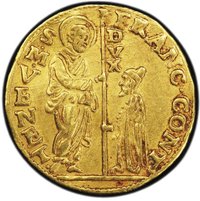
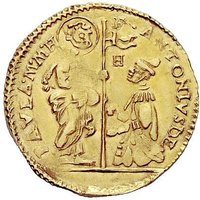
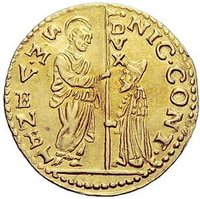
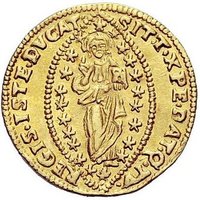
St. John offers the banner to the kneeling Grand Master.
Inscription:
F·L·MENDES DE VASCONCELOS·M·M·H
Script: Latin
Reverse
Description:
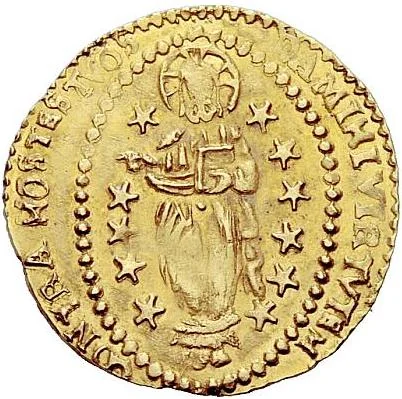
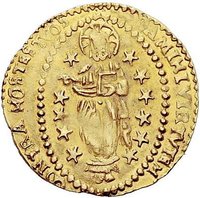
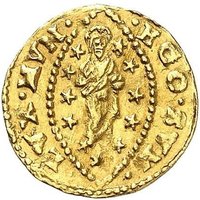
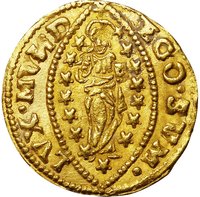
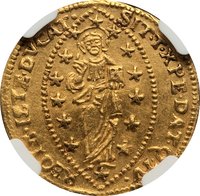
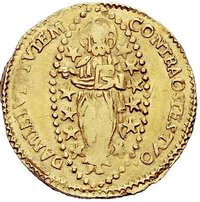
Beaded ellipse with Jesus standing among stars.
Inscription:
DAMIHI VIRTVETEM CONTRA MOSTESTVOS
Script: Latin
Edge
Mintings
| Year | Mint Mark | Mintage | Quality | Collection |
|---|---|---|---|---|
| — | — | — |
Historical background
In 1622, Malta's currency situation was a complex tapestry reflecting its dual role as a strategic fortress of the Knights of St. John and a vibrant, trade-dependent island. The primary circulating coinage was a mixture of foreign silver, particularly Spanish reales and their fractions (like the tarì), and copper issues minted locally by the Order. The Knights operated a mint in Birgu, producing copper grani and cavalotti to facilitate small, everyday transactions. However, the value and acceptance of these coins were intrinsically tied to the fluctuating silver content and credibility of the foreign pieces that dominated larger commerce.
This monetary environment was plagued by chronic instability. A significant problem was the frequent clipping and debasement of silver coins, which eroded trust and caused regular recoinage attempts by the Order. Furthermore, the economy suffered from a severe shortage of small change (piccola moneta), hindering daily market exchanges for the common populace. The Knights' authorities repeatedly issued proclamations to fix exchange rates between the various silver, gold, and copper coins in an attempt to impose order, but these often failed in practice due to market forces and the influx of diverse currencies from Mediterranean trade.
Ultimately, Malta's currency in 1622 was not autonomous but a dependent subsystem within the broader Mediterranean monetary sphere. Its stability was less a matter of domestic policy and more a function of the influx and quality of Spanish and Italian silver carried by merchants, corsairs, and the Order's own treasury. The persistent struggles with valuation, debasement, and small-change scarcity underscored the challenges of administering an economy that was both a militant sovereign entity and a crucial commercial node.
This monetary environment was plagued by chronic instability. A significant problem was the frequent clipping and debasement of silver coins, which eroded trust and caused regular recoinage attempts by the Order. Furthermore, the economy suffered from a severe shortage of small change (piccola moneta), hindering daily market exchanges for the common populace. The Knights' authorities repeatedly issued proclamations to fix exchange rates between the various silver, gold, and copper coins in an attempt to impose order, but these often failed in practice due to market forces and the influx of diverse currencies from Mediterranean trade.
Ultimately, Malta's currency in 1622 was not autonomous but a dependent subsystem within the broader Mediterranean monetary sphere. Its stability was less a matter of domestic policy and more a function of the influx and quality of Spanish and Italian silver carried by merchants, corsairs, and the Order's own treasury. The persistent struggles with valuation, debasement, and small-change scarcity underscored the challenges of administering an economy that was both a militant sovereign entity and a crucial commercial node.
Series: Venitian Sequin
✨ Legendary