

1 Zecchino – Malta
Malta
Context
Material
References
KM: #Click to copy to clipboard16
Numista: #129511
Value
Bullion value: $558.17
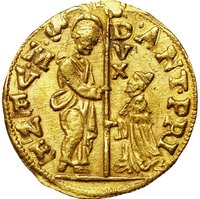
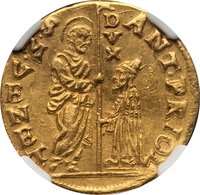
Obverse
Description:
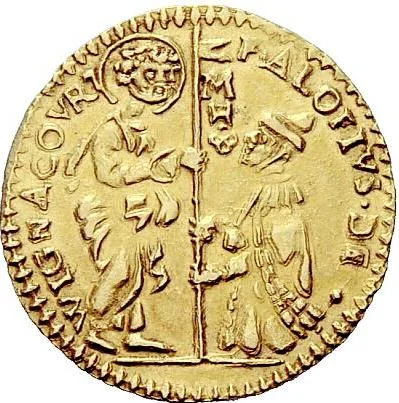
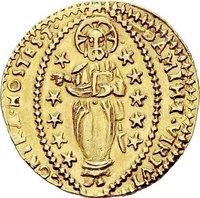
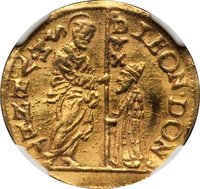
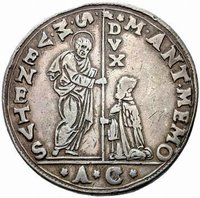
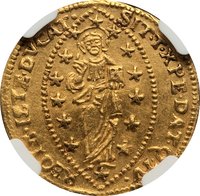
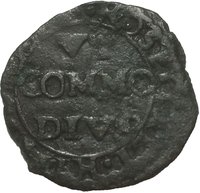
Grand Master kneeling before Saint John.
Inscription:
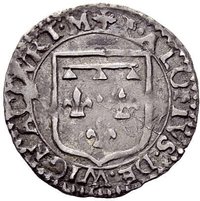
F·ALOPIVS·DE WIGNACOVRT
Script: Latin
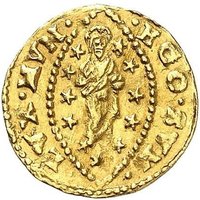
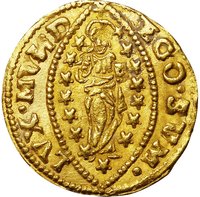
Reverse
Edge
Mintings
| Year | Mint Mark | Mintage | Quality | Collection |
|---|---|---|---|---|
| — | — | — |
Historical background
In 1601, Malta was a crucial outpost of the Spanish Empire under the Knights Hospitaller (Order of St. John). The island's currency situation was complex and fragmented, reflecting its strategic position at the crossroads of Mediterranean trade. Officially, the Knights minted their own copper and silver coins, such as the cavallo, tari, and scudo, which formed the local monetary system. However, the reality of daily commerce was dominated by a multitude of foreign coins, primarily Spanish pieces of eight and gold escudos, but also Italian, Ottoman, and French currencies brought by merchants, corsairs, and sailors.
This proliferation of foreign specie created chronic instability. The value of coins was not strictly tied to their face value but to their intrinsic metal content, leading to frequent clipping, counterfeiting, and the hoarding of high-quality coins (Gresham's Law in practice). The Knights' own mint struggled to maintain authority, as the fluctuating and often debased silver content of their tari made them unreliable for larger transactions. Consequently, merchants and the Treasury were forced to constantly assess and negotiate exchange rates, making commerce cumbersome and risky.
The situation was further strained by the Knights' heavy financial burdens. The cost of maintaining Malta's formidable fortifications and funding naval campaigns against the Ottomans was enormous. Revenue, derived from European estates (the Mensa Vescovile), local taxes, and the spoils of corsairing, often arrived in a jumble of foreign currencies. This necessitated complex financial management to convert revenues into usable funds, highlighting a monetary system that was less a unified currency and more a turbulent marketplace of metal, where global currents of silver and gold washed ashore and circulated chaotically.
This proliferation of foreign specie created chronic instability. The value of coins was not strictly tied to their face value but to their intrinsic metal content, leading to frequent clipping, counterfeiting, and the hoarding of high-quality coins (Gresham's Law in practice). The Knights' own mint struggled to maintain authority, as the fluctuating and often debased silver content of their tari made them unreliable for larger transactions. Consequently, merchants and the Treasury were forced to constantly assess and negotiate exchange rates, making commerce cumbersome and risky.
The situation was further strained by the Knights' heavy financial burdens. The cost of maintaining Malta's formidable fortifications and funding naval campaigns against the Ottomans was enormous. Revenue, derived from European estates (the Mensa Vescovile), local taxes, and the spoils of corsairing, often arrived in a jumble of foreign currencies. This necessitated complex financial management to convert revenues into usable funds, highlighting a monetary system that was less a unified currency and more a turbulent marketplace of metal, where global currents of silver and gold washed ashore and circulated chaotically.
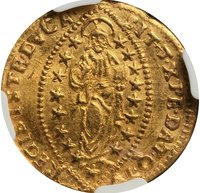
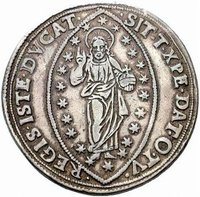
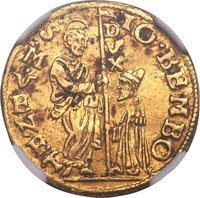
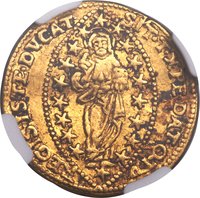
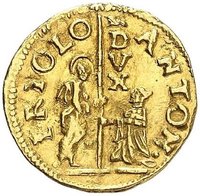
Series: Venitian Sequin
✨ Legendary