

2 skilling – Denmark
Add to wishlist
Denmark
Context
References
KM: #
Numista: #129036
Obverse
Description:
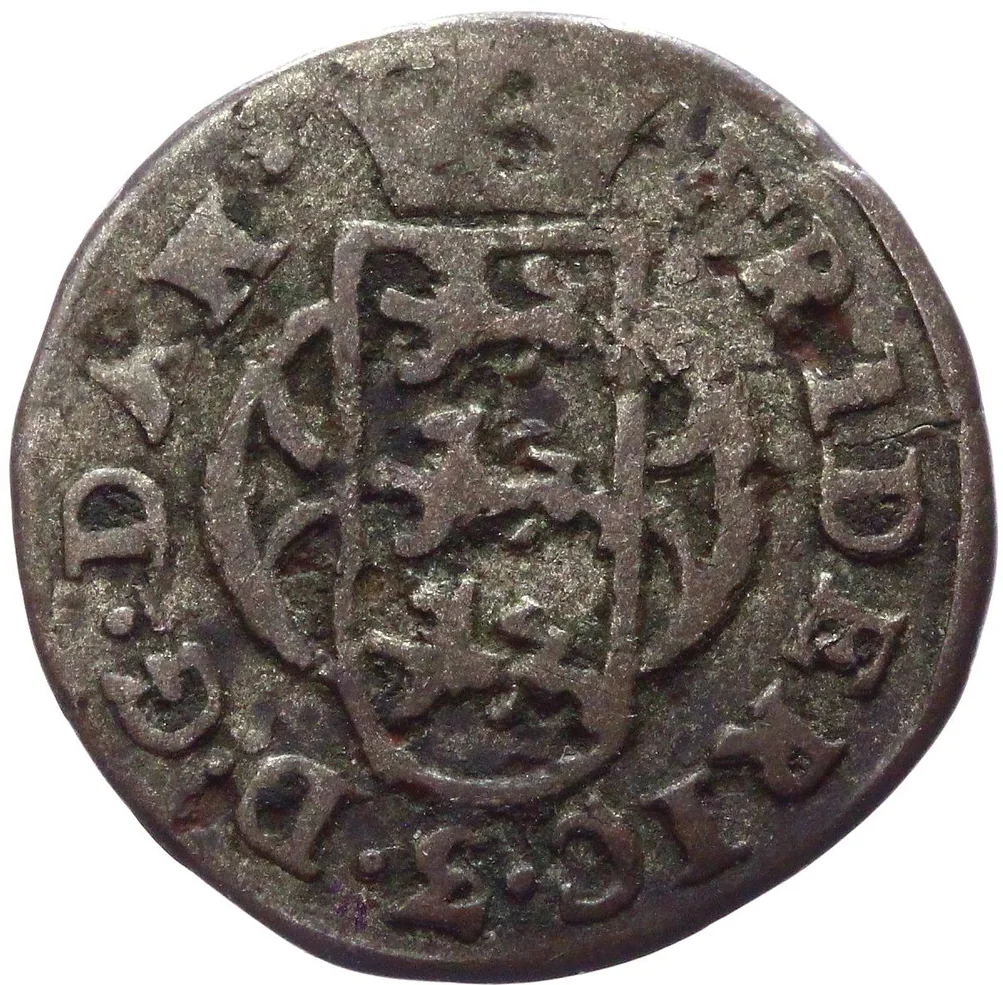
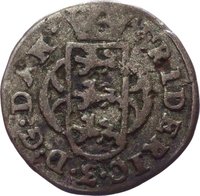
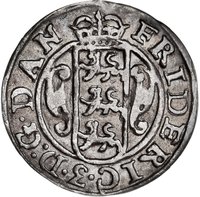
Shield with Danish arms, elongated with rounded base and crown. Sides have circular ornaments. Legend encircles outside; inner circle present (km# 249.1) or absent (km# 249.2).
Inscription:
FRIDERIC·3·D·G·DAN
Script: Latin
Reverse
Description:
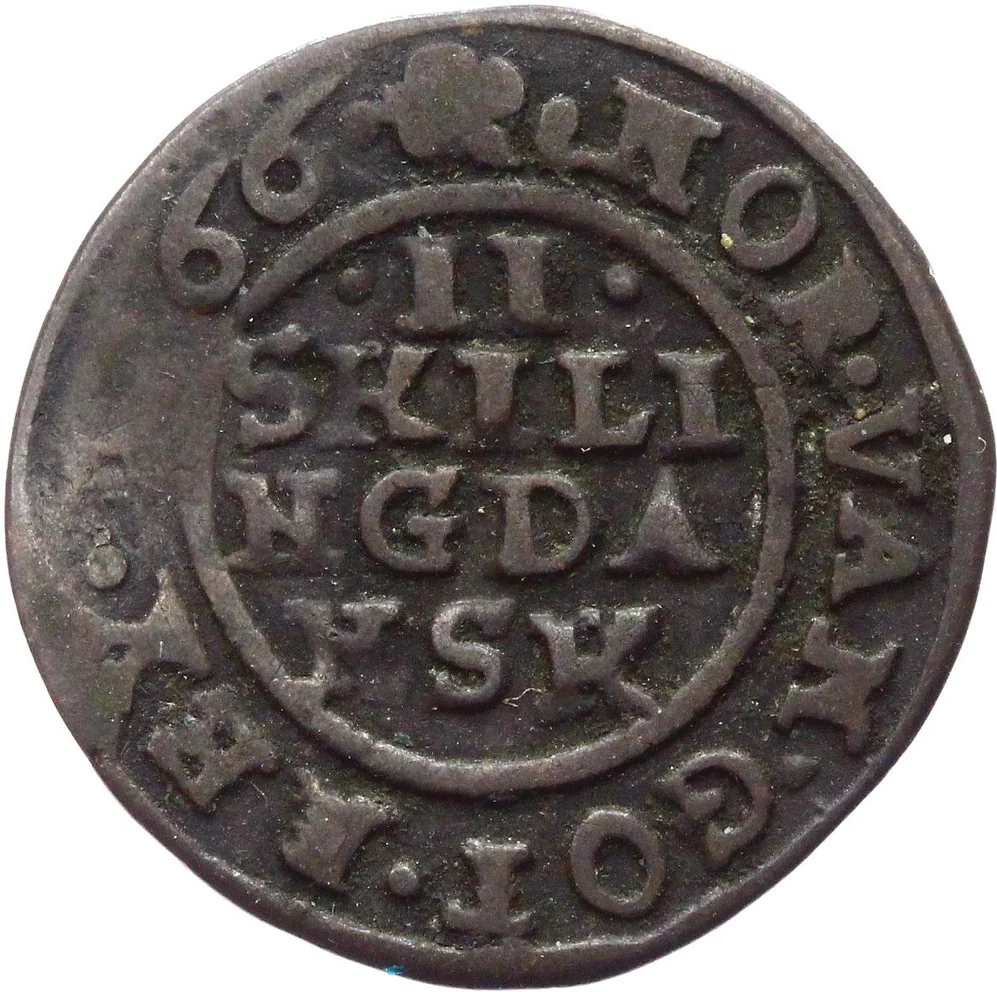
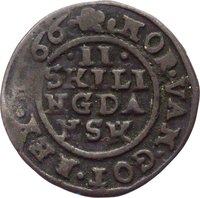
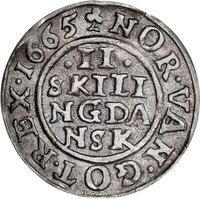
Four-line inscription within beaded circle; legend surrounds with date and mintmark.
Inscription:
NOR.VAN.GOT.REX. 1665
.II.
SKILI
NG DA
NSK
.II.
SKILI
NG DA
NSK
Script: Latin
Edge
Mints
| Name | Mark |
|---|---|
| Copenhagen | ☘ |
Historical background
In 1664, Denmark operated under a bimetallic monetary system, a legacy of the 1625 ordinance that established both silver and copper as legal tender. The primary unit was the rigsdaler, valued in silver, but the century had seen significant circulation of low-denomination copper coins, notably the skilling. This created a complex and often unstable environment, as the intrinsic metal value of coins frequently diverged from their official face value, leading to public distrust and market confusion. The state's finances were still recovering from the costly wars of the mid-17th century, placing persistent strain on the currency system.
A central feature of the period was the widespread use of klippe coins—square pieces struck from flattened copper bars, often of large and cumbersome denominations. These were a practical response to Sweden's dominance in European copper production, aiming to utilize domestic and imported copper for everyday transactions. However, the system was prone to manipulation; the government occasionally reduced the silver content of coins or altered exchange rates to generate short-term revenue, a practice known as debasement. This eroded confidence and complicated both domestic trade and international commerce, as merchants had to constantly navigate shifting values.
Consequently, the year 1664 fell within a prolonged era of monetary experimentation and difficulty. While no single major reform was enacted that specific year, the ongoing challenges—including the cumbersome nature of large copper coins, the tension between metal value and face value, and inflationary pressures—set the stage for future governmental interventions. The situation highlighted the struggle of the Danish absolute monarchy, established in 1660, to assert full control over a unified and stable national currency, a goal that would be pursued with greater success in the decades to follow.
A central feature of the period was the widespread use of klippe coins—square pieces struck from flattened copper bars, often of large and cumbersome denominations. These were a practical response to Sweden's dominance in European copper production, aiming to utilize domestic and imported copper for everyday transactions. However, the system was prone to manipulation; the government occasionally reduced the silver content of coins or altered exchange rates to generate short-term revenue, a practice known as debasement. This eroded confidence and complicated both domestic trade and international commerce, as merchants had to constantly navigate shifting values.
Consequently, the year 1664 fell within a prolonged era of monetary experimentation and difficulty. While no single major reform was enacted that specific year, the ongoing challenges—including the cumbersome nature of large copper coins, the tension between metal value and face value, and inflationary pressures—set the stage for future governmental interventions. The situation highlighted the struggle of the Danish absolute monarchy, established in 1660, to assert full control over a unified and stable national currency, a goal that would be pursued with greater success in the decades to follow.
Series: 1664 Denmark circulation coins
💎 Extremely Rare