

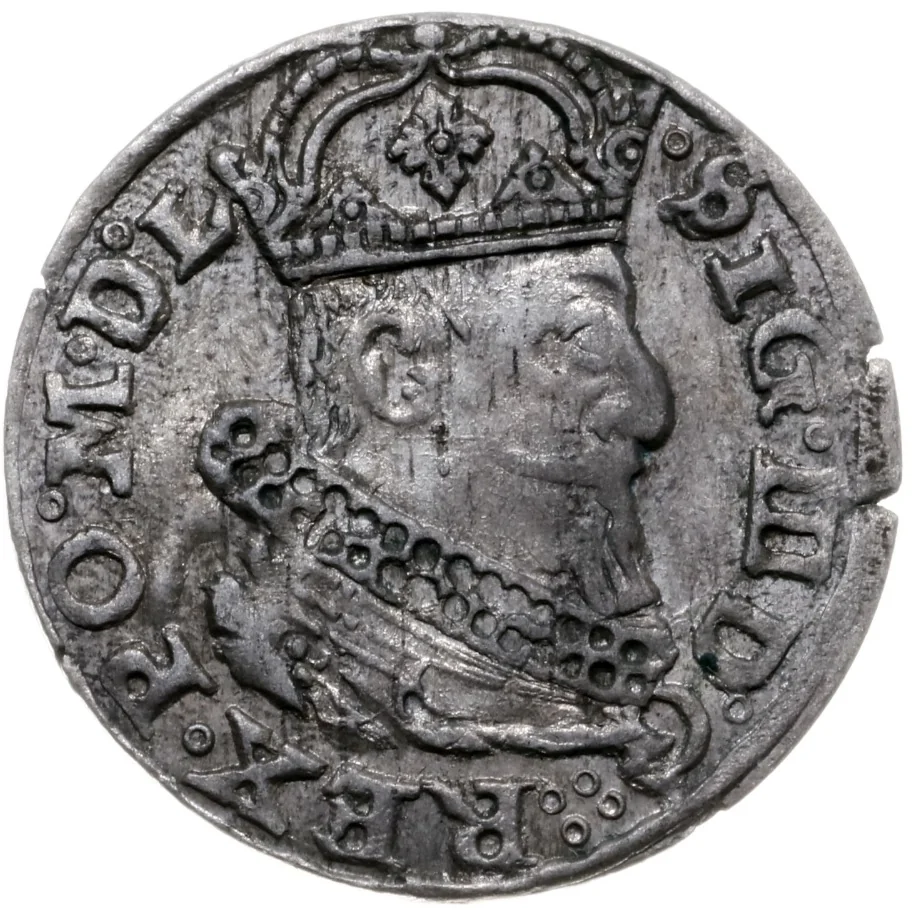
1 Groschen – Polish–Lithuanian Commonwealth
Poland
Context
Years: 1600–1627
Country: Poland 
Issuer: Polish–Lithuanian Commonwealth
Ruler: Sigismund III Vasa
Currency:
(1573—1795)
Demonetized: Yes
Material
References
KM: #Click to copy to clipboard9
Numista: #126840
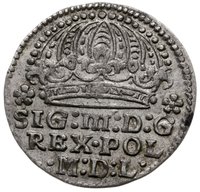
Obverse
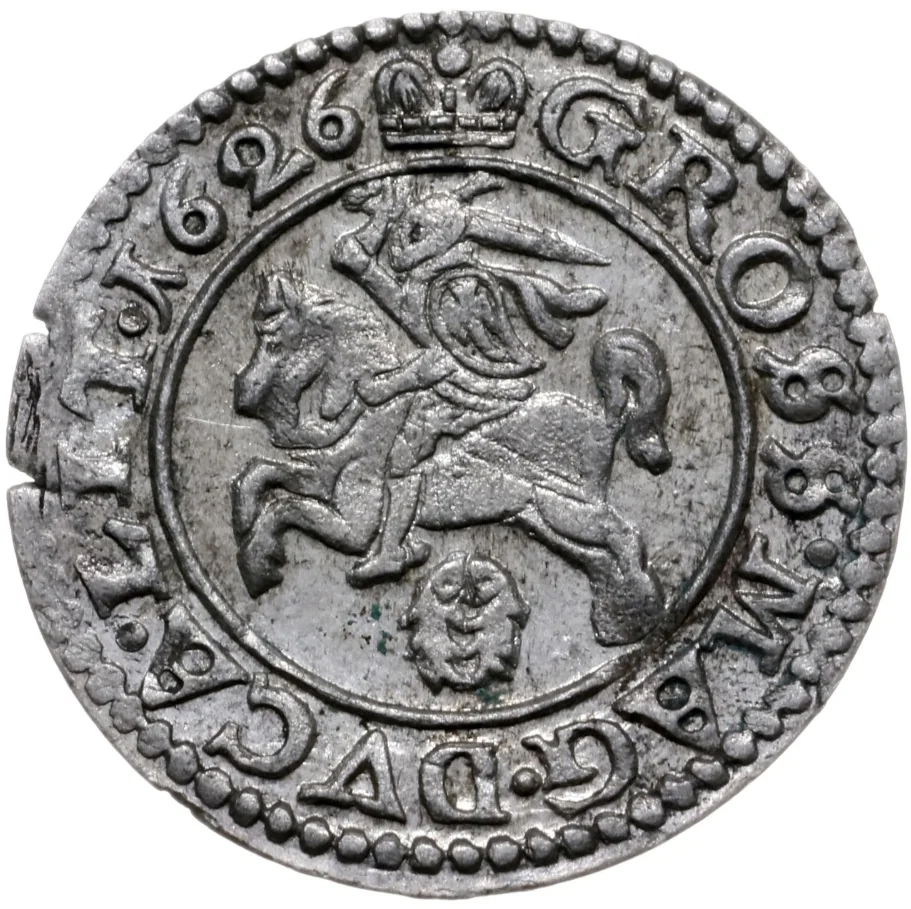
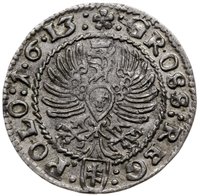
Reverse
Description:
Knight left on horse with sword, mint marks below, within inner circle.
Inscription:
GROSS MAG DVCA LIT 1626
Script: Latin
Edge
Plain
Mints
| Name | Mark |
|---|---|
| Vilnius | — |
Mintings
| Year | Mint Mark | Mintage | Quality | Collection |
|---|---|---|---|---|
| 1600 | — | — | ||
| 1607 | — | — | ||
| 1608 | — | — | ||
| 1610 | — | — | ||
| 1625 | — | — | ||
| 1626 | — | — | ||
| 1627 | — | — |
Historical background
By 1600, the Polish–Lithuanian Commonwealth was grappling with a severe and complex monetary crisis, rooted in the policies of its previous monarch, Sigismund II Augustus. To finance his wars and ambitious projects, he had significantly debased the currency, reducing the silver content in coins like the grosz and introducing large quantities of low-quality coinage. This established a dangerous precedent, creating a money supply that was intrinsically unstable and vulnerable to inflation.
The situation was exacerbated by the influx of vast quantities of foreign, particularly German, coinage into the Commonwealth's economy. These coins, often of even lower intrinsic value, circulated freely alongside the debased domestic currency, leading to Gresham's Law in action: "bad money drives out good." People hoarded older, higher-silver coins or used them for foreign trade, while the poorer-quality coins dominated daily internal transactions. This monetary chaos disrupted commerce, confused prices, and eroded public trust in the currency system.
Furthermore, the Commonwealth's unique political structure, the liberum veto, made decisive reform nearly impossible. The powerful nobility (szlachta) in the Sejm (parliament) resisted any central monetary authority or tax increases that might stabilize the currency, fearing it would strengthen the crown at their expense. Consequently, by 1600, the state lacked the political will to implement a unified monetary policy or establish a national mint with strict standards, leaving the economy to suffer from a fragmented and deteriorating currency system that would plague the Commonwealth for decades.
The situation was exacerbated by the influx of vast quantities of foreign, particularly German, coinage into the Commonwealth's economy. These coins, often of even lower intrinsic value, circulated freely alongside the debased domestic currency, leading to Gresham's Law in action: "bad money drives out good." People hoarded older, higher-silver coins or used them for foreign trade, while the poorer-quality coins dominated daily internal transactions. This monetary chaos disrupted commerce, confused prices, and eroded public trust in the currency system.
Furthermore, the Commonwealth's unique political structure, the liberum veto, made decisive reform nearly impossible. The powerful nobility (szlachta) in the Sejm (parliament) resisted any central monetary authority or tax increases that might stabilize the currency, fearing it would strengthen the crown at their expense. Consequently, by 1600, the state lacked the political will to implement a unified monetary policy or establish a national mint with strict standards, leaving the economy to suffer from a fragmented and deteriorating currency system that would plague the Commonwealth for decades.
🌟 Limited