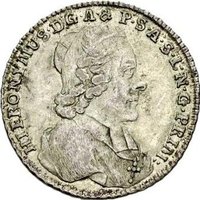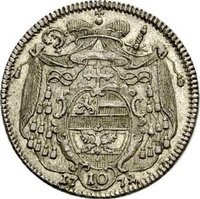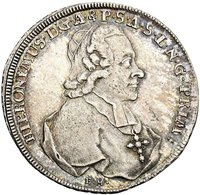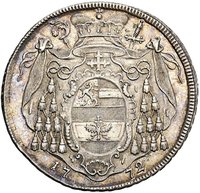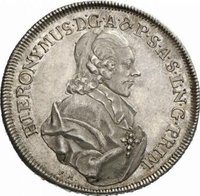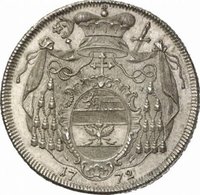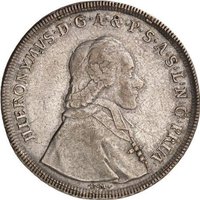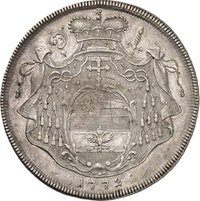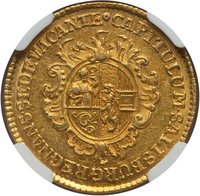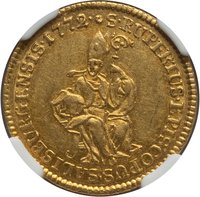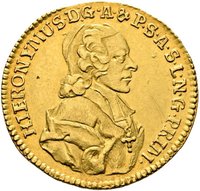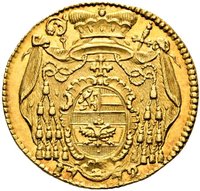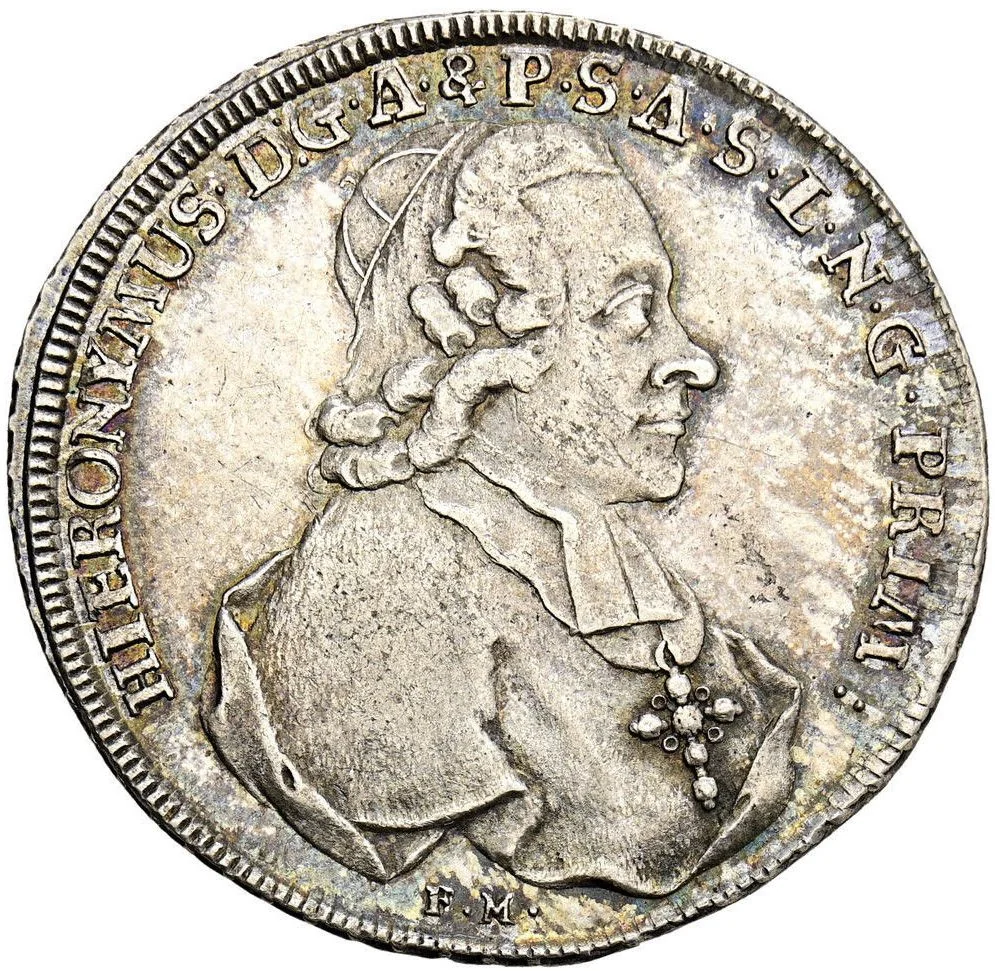
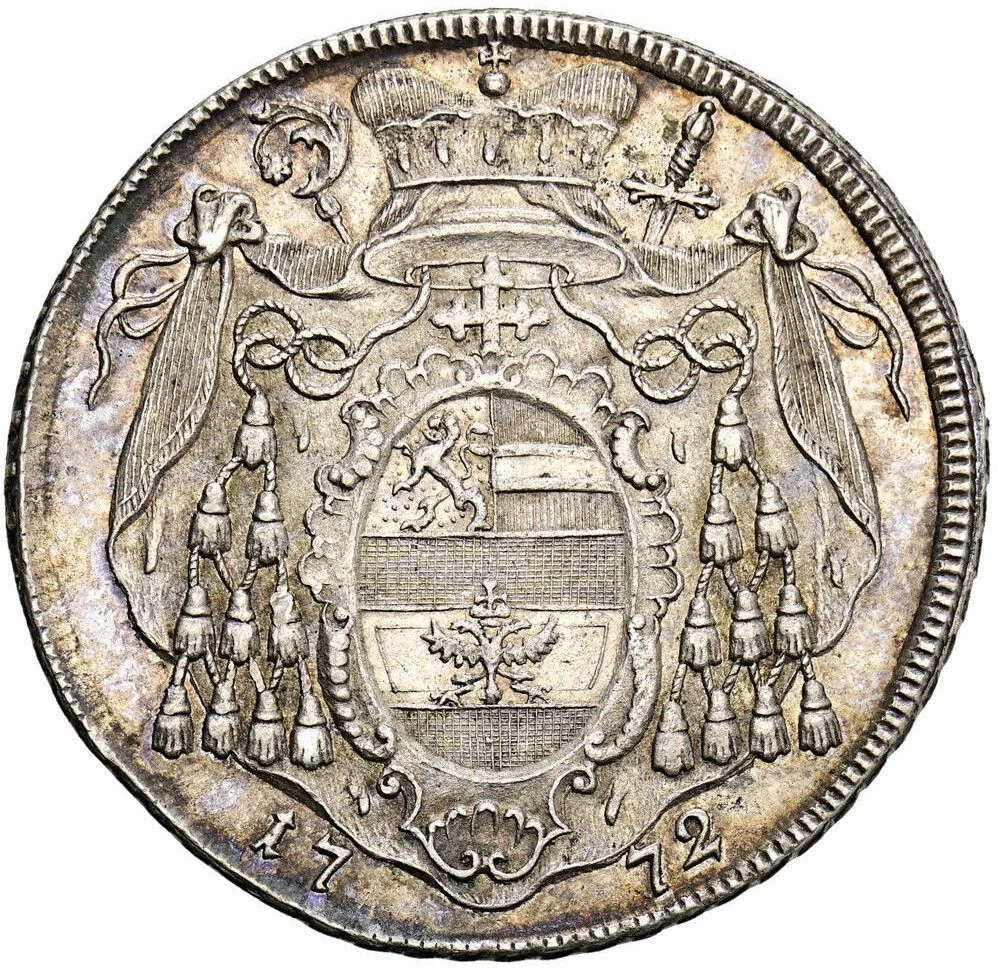
In 1772, the Prince-Archbishopric of Salzburg operated within the complex monetary landscape of the Holy Roman Empire. The region did not mint its own principal large-denomination coins but instead relied heavily on the widespread circulation of Bavarian and Austrian coinage, particularly the silver
Conventionsthaler. This coin was the backbone of larger transactions, adhering to the 1764 Austro-Bavarian monetary convention that standardized the silver content of the Thaler across several states, providing much-needed stability for trade.
For everyday commerce, Salzburg did issue its own subsidiary and minor coins. These included smaller silver coins like
Kreuzers and
Groschen, as well as copper
Pfennigs. The value of these local coins was pegged to the Conventionsthaler standard, but their issuance was often a fiscal tool for the prince-archbishop's treasury. A persistent challenge was the tendency for older, debased coinage to remain in circulation alongside newer issues, and the constant threat of counterfeit coins, which eroded public trust in the currency.
The monetary situation reflected Salzburg's political and economic position: a wealthy, independent ecclesiastical state deeply intertwined with its larger neighbors. While the Conventionsthaler provided regional monetary cohesion, the local coinage served domestic needs and sovereign expression. This system, however, was inherently fragile, sensitive to the monetary policies of Bavaria and Austria, and vulnerable to the manipulations of seigniorage—a reality that would soon be overturned when Salzburg's independence ended with secularization in 1803.