

1 abbasi – Ottoman Empire
Add to wishlist
Turkey
Context
Year: 1704
Islamic (Hijri) Year:: 1115
Country: Turkey
Issuer: Ottoman Empire
Ruler: Ahmed III
Currency:
(1688—1844)
Demonetized: Yes
Material
Diameter: 25 mm
Weight: 5.4 g
Silver Weight:: 5.40 g
Shape: Irregular round
Composition: Silver
Magnetic: No
References
KM: #
Numista: #121821
Value
Bullion value: $13.55
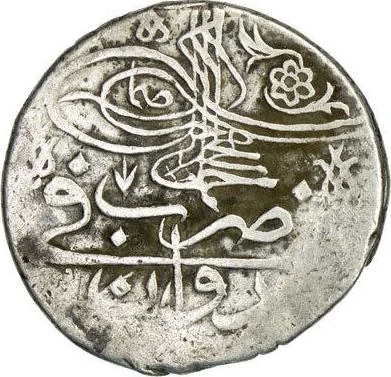
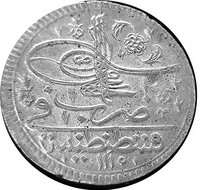
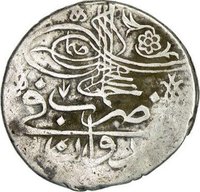
Obverse
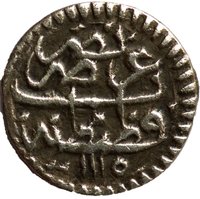
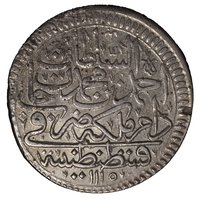
Description:
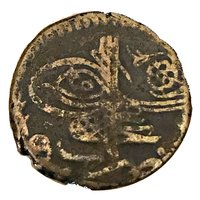
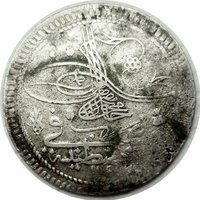
Ahmed III tughra, mint and date off-flan.
Inscription:
احمد
ضرب
في
روان
١١١٥
ضرب
في
روان
١١١٥
Script: Arabic
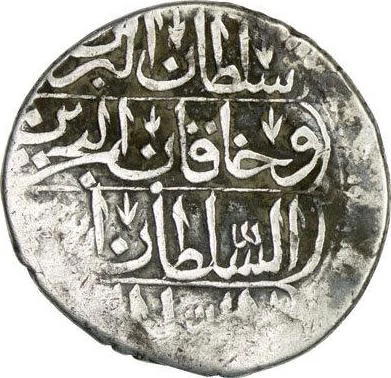
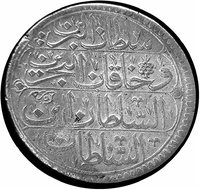
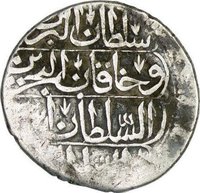
Reverse
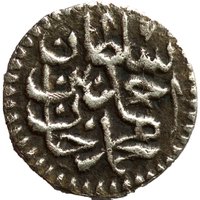
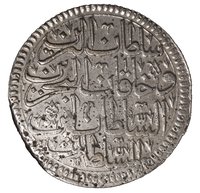
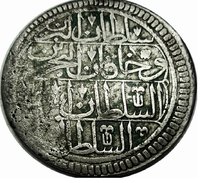
Description:
Sultan is a royal title
of Islamic origin.
It denotes a ruler,
often a sovereign monarch.
of Islamic origin.
It denotes a ruler,
often a sovereign monarch.
Inscription:
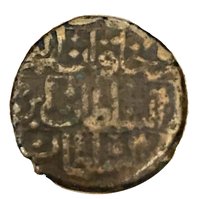
سلطان البرين
وخاقان البحرين
السلطان ابن
السلطان
وخاقان البحرين
السلطان ابن
السلطان
Script: Arabic
Edge
Mints
| Name | Mark |
|---|---|
| Revan | — |
Mintings
| Year | Mint Mark | Mintage | Quality | Collection |
|---|---|---|---|---|
| 1704 | — | — |
Historical background
In 1704, the Ottoman Empire’s currency system was in a state of profound crisis, a direct consequence of the prolonged and costly wars of the late 17th century. The empire had been engaged in nearly continuous conflict, most notably the disastrous war against the Holy League (1683-1699), which ended with the Treaty of Karlowitz. To finance these wars, the state had resorted to severe debasement of the primary silver coin, the akçe, which by 1704 had become so diminished in silver content that it was virtually a token coin. Concurrently, the Spanish silver dollar and other European coins circulated widely, undermining confidence in the Ottoman mint.
The monetary chaos was exacerbated by a chronic shortage of precious metals. The empire suffered from a negative balance of trade with both Europe and the East, causing a steady outflow of silver to pay for imports. This "bullion famine" made it impossible for the mint to produce high-quality coinage in sufficient quantity. In response, the state frequently issued new, heavily debased coinage and attempted to enforce their acceptance at artificially high values (tağşiş), leading to rampant inflation, price volatility, and a loss of public trust. The economy increasingly operated on a dual system: large transactions used stable foreign gold coins like the Venetian ducat or Dutch lion dollar, while the debased domestic coinage plagued the daily marketplace.
Sultan Ahmed III, who had ascended the throne in 1703, inherited this dire financial situation. His government recognized the need for reform, and 1704 fell within a period of attempted stabilization. Efforts were made to introduce a new, larger silver coin—a forerunner to the later zolota and kuruş—to restore some order. However, these measures were largely reactive and struggled against deep-rooted structural problems: entrenched corruption in the mint, the power of the Janissary corps and other factions resistant to monetary discipline, and the fundamental fiscal overextension of the state. Thus, in 1704, the Ottoman currency system remained fragile, caught between the legacy of past debasements and the uncertain promise of future reform.
The monetary chaos was exacerbated by a chronic shortage of precious metals. The empire suffered from a negative balance of trade with both Europe and the East, causing a steady outflow of silver to pay for imports. This "bullion famine" made it impossible for the mint to produce high-quality coinage in sufficient quantity. In response, the state frequently issued new, heavily debased coinage and attempted to enforce their acceptance at artificially high values (tağşiş), leading to rampant inflation, price volatility, and a loss of public trust. The economy increasingly operated on a dual system: large transactions used stable foreign gold coins like the Venetian ducat or Dutch lion dollar, while the debased domestic coinage plagued the daily marketplace.
Sultan Ahmed III, who had ascended the throne in 1703, inherited this dire financial situation. His government recognized the need for reform, and 1704 fell within a period of attempted stabilization. Efforts were made to introduce a new, larger silver coin—a forerunner to the later zolota and kuruş—to restore some order. However, these measures were largely reactive and struggled against deep-rooted structural problems: entrenched corruption in the mint, the power of the Janissary corps and other factions resistant to monetary discipline, and the fundamental fiscal overextension of the state. Thus, in 1704, the Ottoman currency system remained fragile, caught between the legacy of past debasements and the uncertain promise of future reform.

💎 Extremely Rare