

6 Mariengroschen – County of Lippe-Detmold
Germany

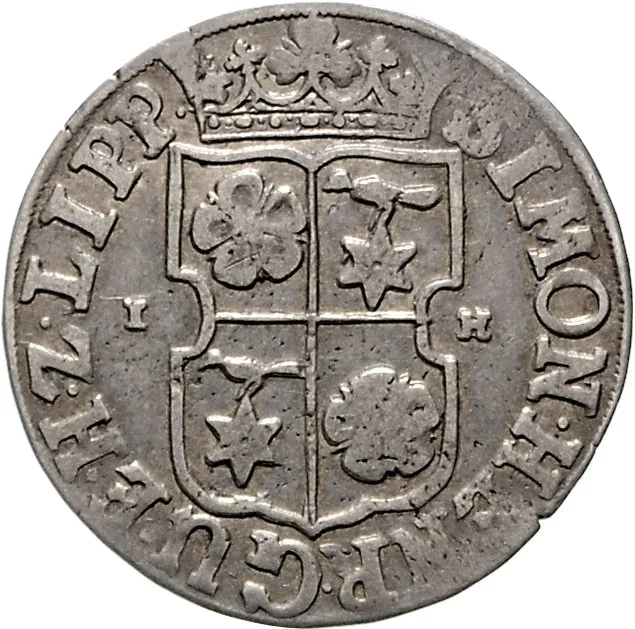
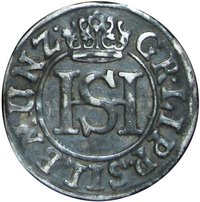
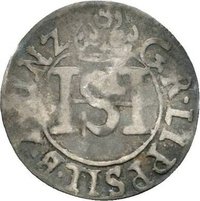
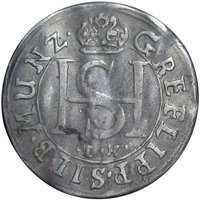
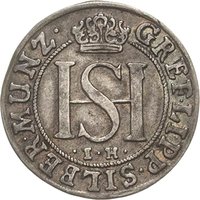
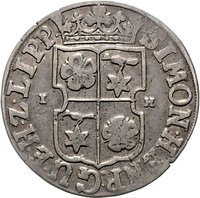
Obverse
Description:
Crowned coat of arms with encircling legend.
Inscription:
SIMON.HENR.GU.E.H.Z.LIPP.
I / H
I / H
Script: Latin
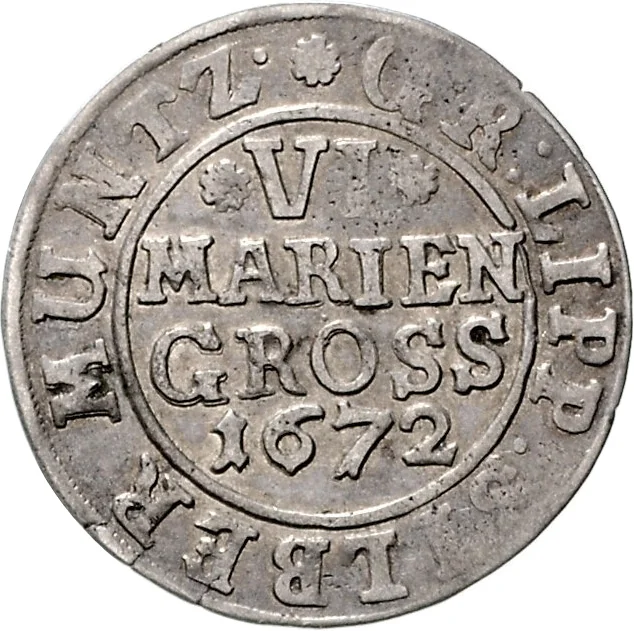
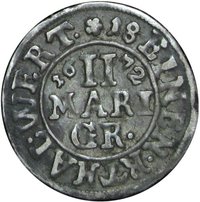
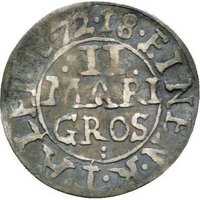
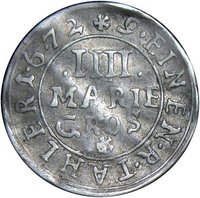
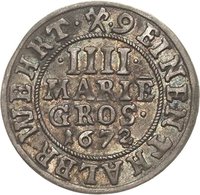
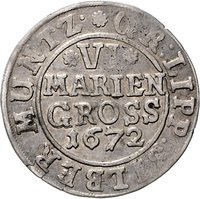
Reverse
Description:
Central inscription (4 lines) with date and denomination, encircled by legend.
Inscription:
*VI* // MARIEN // GROSS // 1672
Script: Latin
Edge
Mintings
| Year | Mint Mark | Mintage | Quality | Collection |
|---|---|---|---|---|
| 1672 | IH | 23,000 |
Historical background
In 1672, the County of Lippe-Detmold, a small German territory within the Holy Roman Empire, operated within a complex and fragmented monetary system. Like most principalities of the era, it did not possess the sovereign right to mint its own high-value specie (gold and large silver coins). Instead, its circulating currency was a mixture of regional and foreign coins, primarily from neighboring Westphalian and Rhenish mints, alongside the ubiquitous Reichsthaler (Imperial Thaler) which served as a key accounting unit. The Count's minting rights were typically limited to producing smaller denomination Scheidemünzen (divisionary coinage), such as Groschen and Pfennige, for local daily trade.
This period was one of significant monetary stress, exacerbated by the ongoing Franco-Dutch War (1672-1678), which disrupted trade and coin flows across northwestern Germany. A chronic problem was the deterioration of coin quality, as states often debased their Scheidemünzen to generate seigniorage revenue, leading to inflation and a loss of public trust. For Lippe-Detmold, maintaining a stable and reliable supply of small change was a constant administrative challenge, as bad money from elsewhere could flood the local market, causing Gresham's Law ("bad money drives out good") to take effect and harming the local economy.
Therefore, the currency situation in 1672 was characterized by dependency and vulnerability. The county's monetary stability was largely at the mercy of broader imperial monetary policies, the fiscal maneuvers of larger neighboring states, and the upheavals of European war. The Count's administration would have been preoccupied with currency ordinances (Münzordnungen) to regulate the acceptable rates and standards for the myriad of coins in circulation, attempting to protect the local economy from the worst effects of monetary chaos prevalent in the Empire during the 17th century.
This period was one of significant monetary stress, exacerbated by the ongoing Franco-Dutch War (1672-1678), which disrupted trade and coin flows across northwestern Germany. A chronic problem was the deterioration of coin quality, as states often debased their Scheidemünzen to generate seigniorage revenue, leading to inflation and a loss of public trust. For Lippe-Detmold, maintaining a stable and reliable supply of small change was a constant administrative challenge, as bad money from elsewhere could flood the local market, causing Gresham's Law ("bad money drives out good") to take effect and harming the local economy.
Therefore, the currency situation in 1672 was characterized by dependency and vulnerability. The county's monetary stability was largely at the mercy of broader imperial monetary policies, the fiscal maneuvers of larger neighboring states, and the upheavals of European war. The Count's administration would have been preoccupied with currency ordinances (Münzordnungen) to regulate the acceptable rates and standards for the myriad of coins in circulation, attempting to protect the local economy from the worst effects of monetary chaos prevalent in the Empire during the 17th century.
✨ Legendary