

1 Skilling – Norway
Norway
Context
References
KM: #Click to copy to clipboard91
Numista: #99002
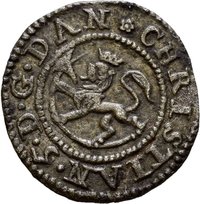
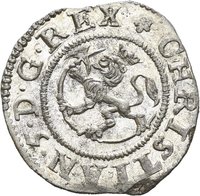
Obverse
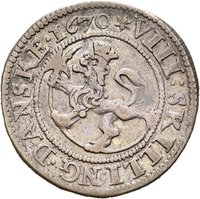
Description:
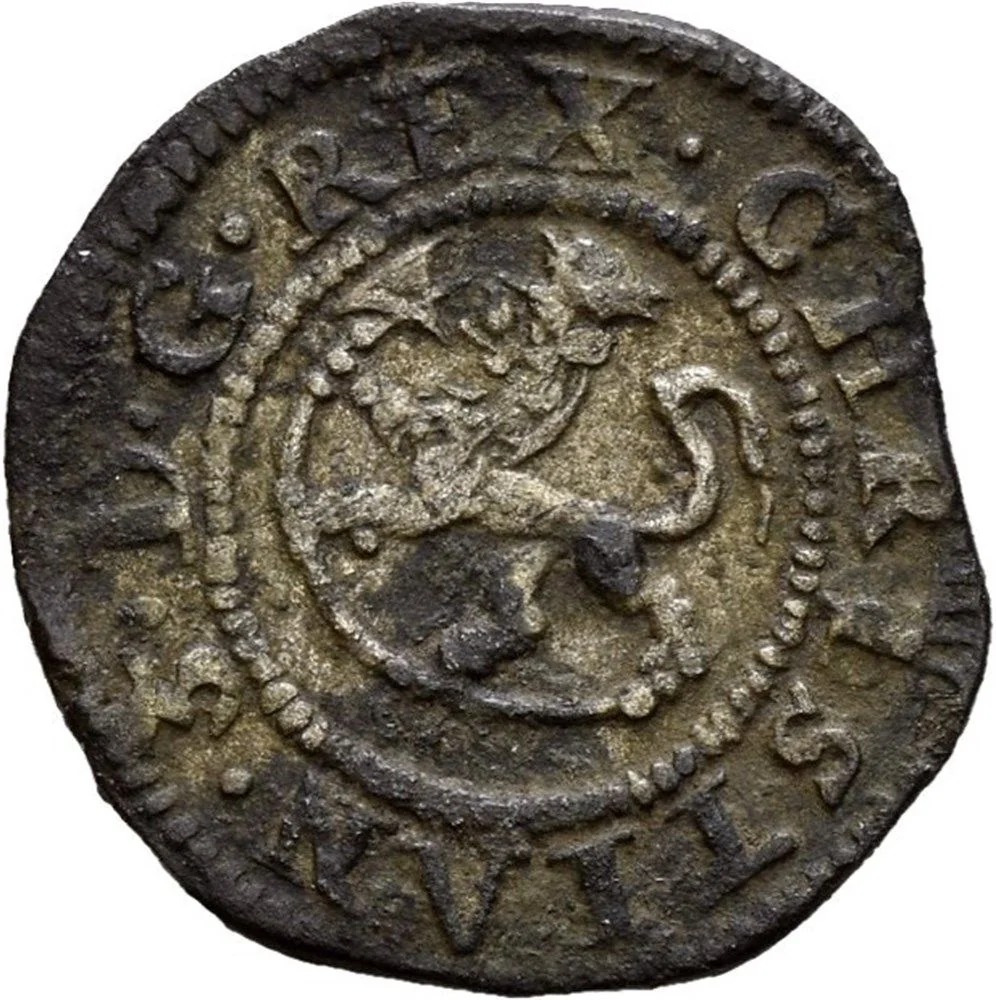
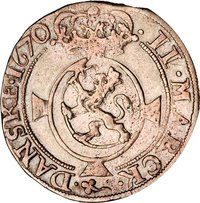
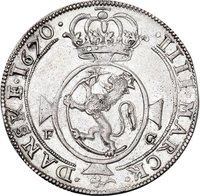
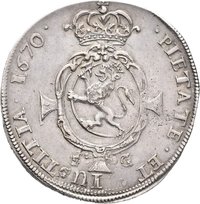
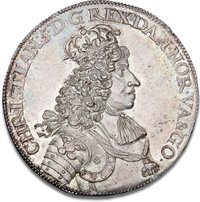
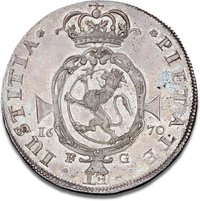
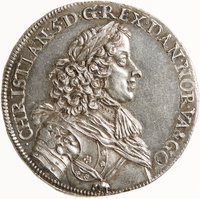
Crowned Norwegian lion with axe, left-facing, within a beaded ring and inscription. Beaded rim.
Inscription:
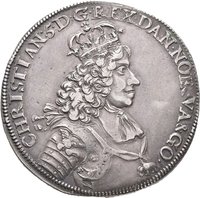
CHRISTIAN·5·D·G·REX·
Script: Latin
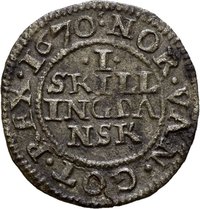
Reverse
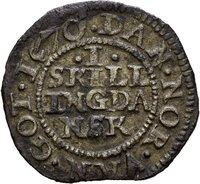
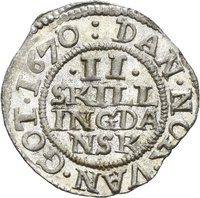
Description:
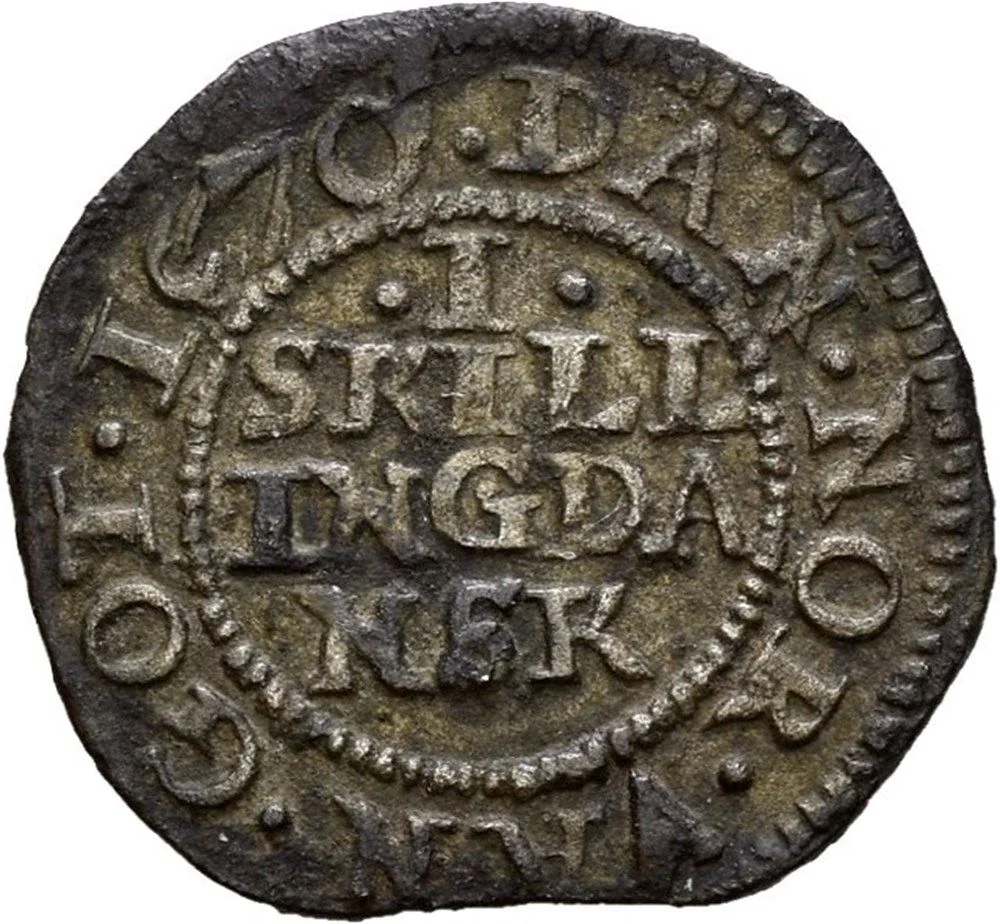
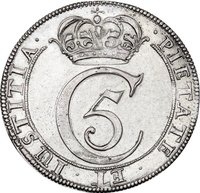
Four-line value in beaded ring, surrounded by inscription. Beaded ring on rim.
Inscription:
·I·
SKILL
INGDA
NSK
DAN·NOR·VAN·GOT·1670·
SKILL
INGDA
NSK
DAN·NOR·VAN·GOT·1670·
Script: Latin
Edge
Mints
| Name | Mark |
|---|---|
| Christiania | — |
Mintings
| Year | Mint Mark | Mintage | Quality | Collection |
|---|---|---|---|---|
| 1670 | — | — |
Historical background
In 1670, Norway was part of the dual monarchy of Denmark-Norway, and its currency system was centrally managed from Copenhagen. The primary circulating coin was the silver riksdaler, but the monetary landscape was complex and troubled. A severe shortage of small change plagued everyday commerce, forcing communities and merchants to resort to primitive barter or create local token coins. Furthermore, the state’s frequent debasements of the coinage to fund its wars had eroded public trust, as the intrinsic silver content of coins often fell below their face value.
The period was marked by the aftermath of the disastrous "Kronefejden" (The Crown Feud) of the 1660s, a currency crisis triggered by the government's attempt to introduce a new debased currency. This led to rampant inflation, hoarding of older, purer coins, and widespread economic disruption. By 1670, the monetary system was in a fragile state of recovery, with authorities struggling to stabilize values and restore confidence. The official currency existed alongside a chaotic mix of older, clipped, and foreign coins, making trade cumbersome and uncertain.
Ultimately, the currency situation reflected Norway’s dependent political status and the crown’s fiscal pressures. Economic policy was designed to benefit the Danish state and its ambitions, often at the expense of Norwegian stability. It would not be until the great monetary reforms of King Christian V later in the 1670s, which introduced standardized coinage based on the riksdaler speciedaler, that a more orderly and unified system began to emerge across the twin kingdoms.
The period was marked by the aftermath of the disastrous "Kronefejden" (The Crown Feud) of the 1660s, a currency crisis triggered by the government's attempt to introduce a new debased currency. This led to rampant inflation, hoarding of older, purer coins, and widespread economic disruption. By 1670, the monetary system was in a fragile state of recovery, with authorities struggling to stabilize values and restore confidence. The official currency existed alongside a chaotic mix of older, clipped, and foreign coins, making trade cumbersome and uncertain.
Ultimately, the currency situation reflected Norway’s dependent political status and the crown’s fiscal pressures. Economic policy was designed to benefit the Danish state and its ambitions, often at the expense of Norwegian stability. It would not be until the great monetary reforms of King Christian V later in the 1670s, which introduced standardized coinage based on the riksdaler speciedaler, that a more orderly and unified system began to emerge across the twin kingdoms.
Series: 1670 Norway circulation coins
✨ Legendary