

10 Ducats – Austrian Empire
Austria
Context
Year: 1616
Country: Austria 
Issuer: Austrian Empire
Ruler: Matthias
Currency:
(1520—1754)
Demonetized: Yes
Material
References
KM: #Click to copy to clipboard211
Numista: #97391
Value
Bullion value: $5747.10
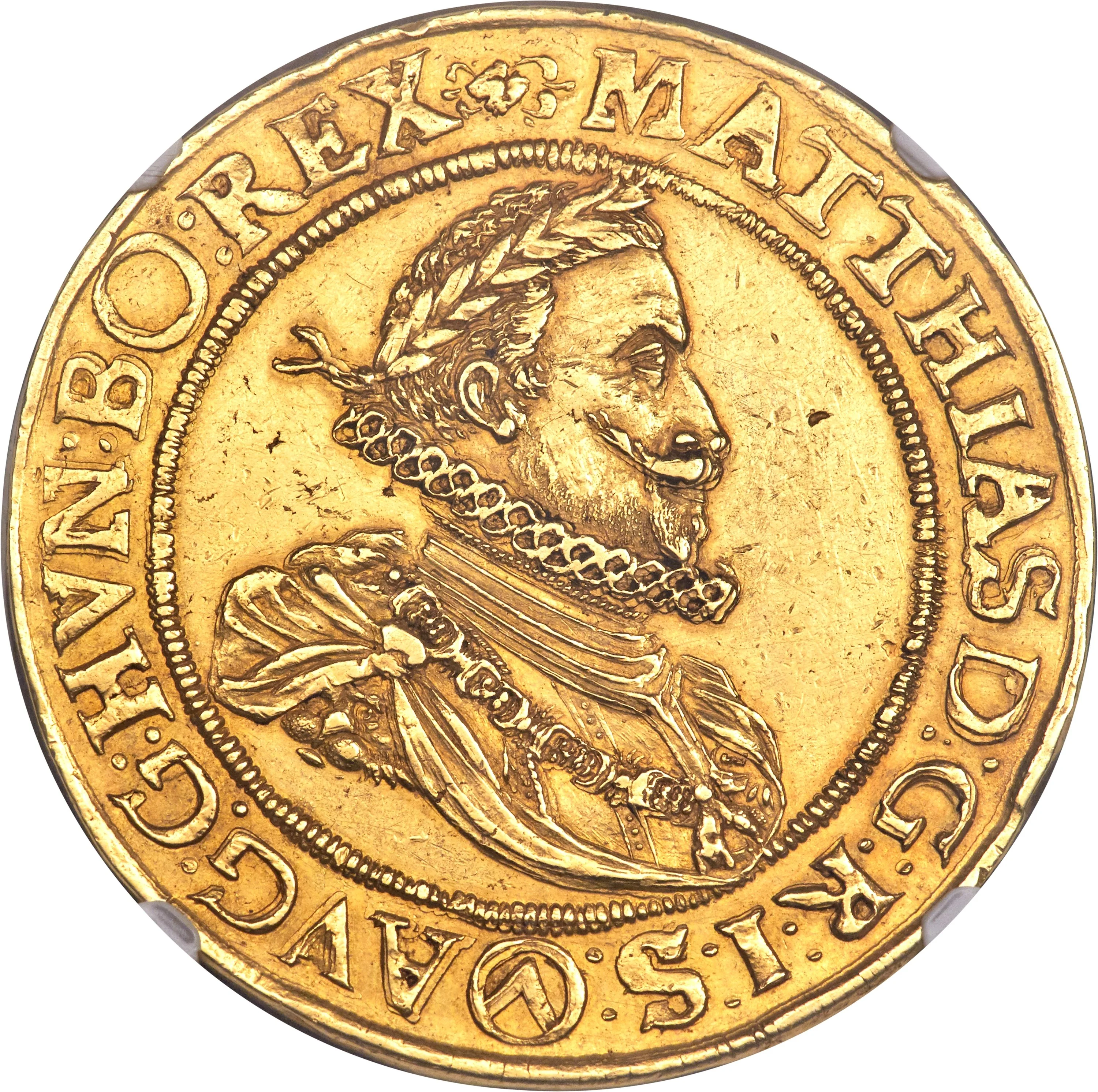
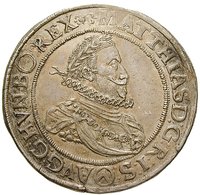
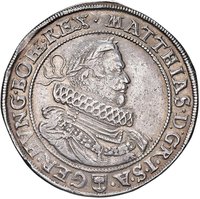
Obverse
Description:
Bust right within circle.
Inscription:
MATTHIAS D:G:R:I:S: AVG:G:HVN:BO:REX
Script: Latin
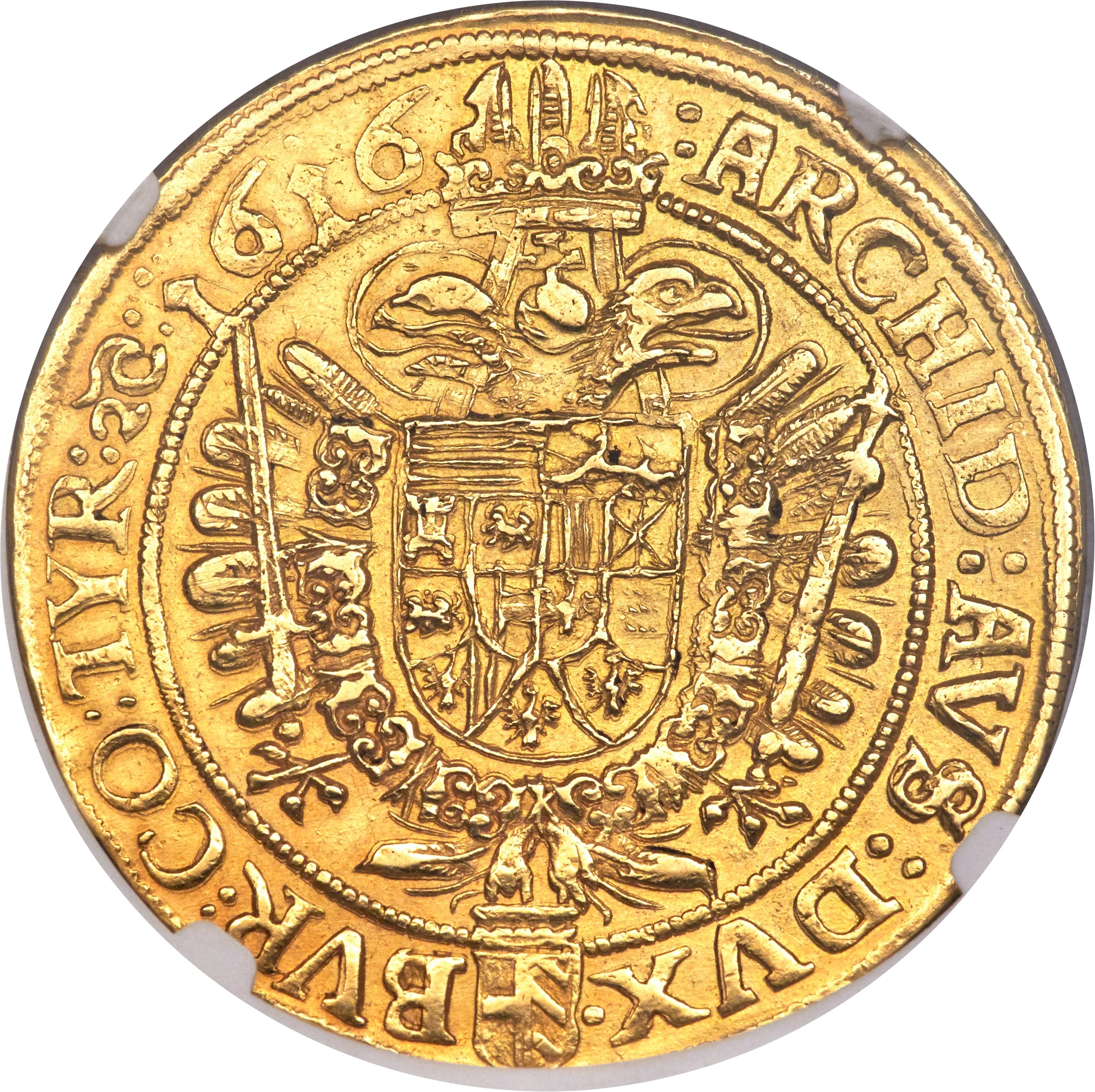
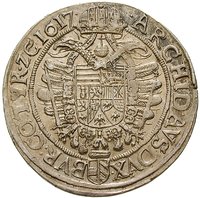
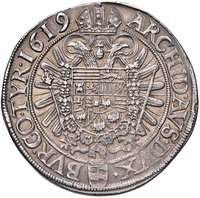
Reverse
Description:
Double-headed eagle crest with date inscribed.
Inscription:
:ARCHID:AVS:DVX· BVR·CO:TYR: Ec 1616
Script: Latin
Edge
Mints
| Name | Mark |
|---|---|
| Münze Österreich | — |
Mintings
| Year | Mint Mark | Mintage | Quality | Collection |
|---|---|---|---|---|
| 1616 | — | — |
Historical background
In 1616, the currency situation within the Habsburg-ruled Austrian Empire was complex and increasingly strained, set against the backdrop of the early stages of the Thirty Years' War (1618-1648). The empire was not a unified monetary zone but a collection of distinct territories, each with its own minting rights and circulating coinage. The primary large silver coin was the Reichsthaler, a theoretical standard, but in practice, a plethora of regional thalers, guilders, kreuzers, and deniers circulated with varying silver content and exchange rates, leading to chronic confusion in trade and public finances.
The core financial pressure stemmed from the Habsburg monarchy's immense military and administrative expenditures. Emperor Matthias (reigned 1612-1619) and his court in Vienna were preparing for impending conflict, leading to a relentless demand for revenue. This often resulted in the debasement of coinage—reducing the precious metal content in coins while maintaining their face value—as a short-term method to increase the money supply and fund the state. This practice, particularly with smaller denominations like kreuzers, was rampant among both imperial and territorial mints, eroding public trust in the currency.
Consequently, the year 1616 saw a classic "bad money drives out good" dynamic (Gresham's Law). Older, higher-silver coins were hoarded or melted down, while newer, debased coins flooded the market, causing inflation and economic uncertainty. While a major monetary reform would not be attempted until the 1620s under Ferdinand II, the stage was set in 1616 for a period of severe fiscal instability. The deteriorating currency mirrored the broader political and religious fractures within the empire, foreshadowing the profound economic turmoil that would accompany the coming decades of war.
The core financial pressure stemmed from the Habsburg monarchy's immense military and administrative expenditures. Emperor Matthias (reigned 1612-1619) and his court in Vienna were preparing for impending conflict, leading to a relentless demand for revenue. This often resulted in the debasement of coinage—reducing the precious metal content in coins while maintaining their face value—as a short-term method to increase the money supply and fund the state. This practice, particularly with smaller denominations like kreuzers, was rampant among both imperial and territorial mints, eroding public trust in the currency.
Consequently, the year 1616 saw a classic "bad money drives out good" dynamic (Gresham's Law). Older, higher-silver coins were hoarded or melted down, while newer, debased coins flooded the market, causing inflation and economic uncertainty. While a major monetary reform would not be attempted until the 1620s under Ferdinand II, the stage was set in 1616 for a period of severe fiscal instability. The deteriorating currency mirrored the broader political and religious fractures within the empire, foreshadowing the profound economic turmoil that would accompany the coming decades of war.
✨ Legendary