

¼ speciedaler – Norway
Add to wishlist
Norway
Obverse
Description:
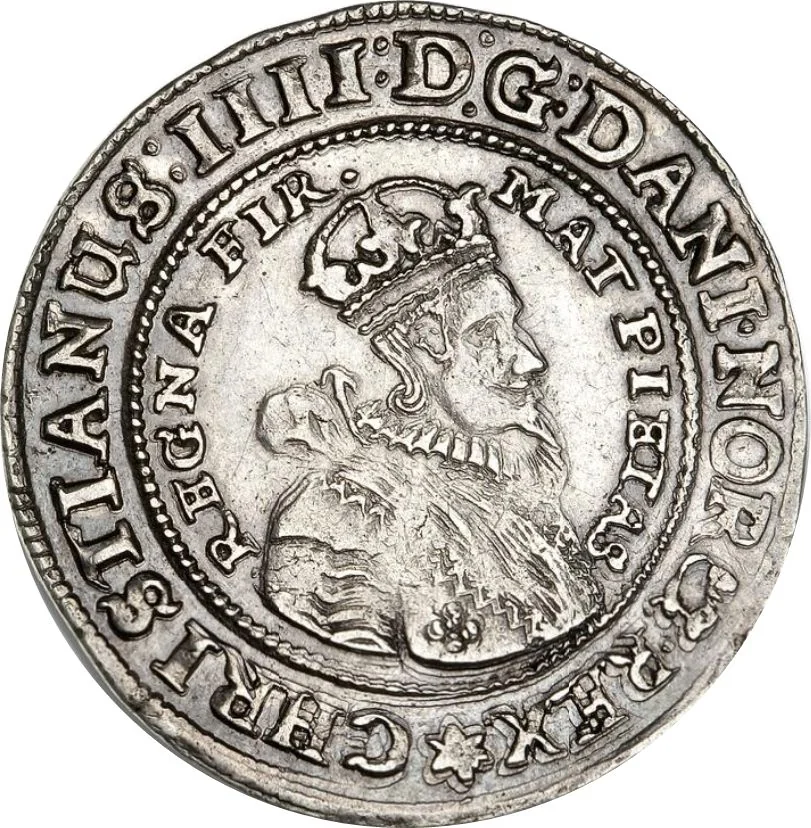
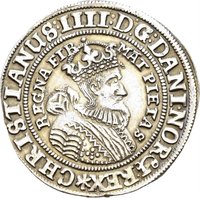
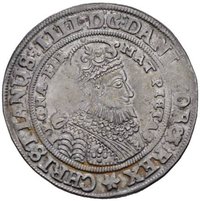
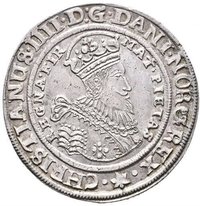
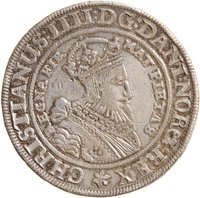
Right-facing crowned bust of Christian IV in high collar, within beaded circle and inscription. Outer legend and beaded edge.
Inscription:
REGNA FIRMAT PIETAS
CHRISTIANUS:IIII:D:G:DANI·NOR&·REX🟌
CHRISTIANUS:IIII:D:G:DANI·NOR&·REX🟌
Script: Latin
Reverse
Description:
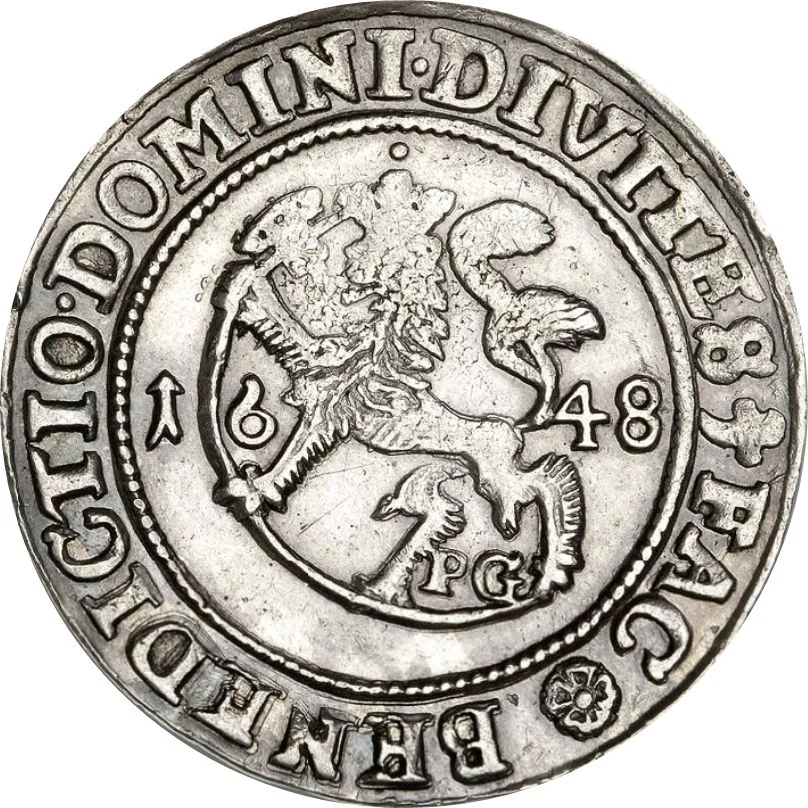
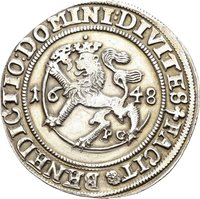
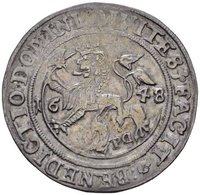
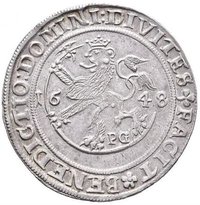
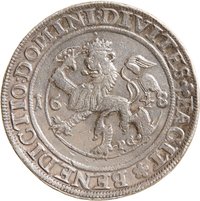
Two-tailed crowned lion rampant left, holding a halberd, dividing date within beaded circle. Legend surrounds. Mint mark below lion. Beaded edge.
Inscription:
BENEDICTIO·DOMINI·DIVITES (mm) FAC🏵
16 48
PG
16 48
PG
Script: Latin
Edge
Plain.
Categories
| Animal |
| Person> Monarch |
| Symbol> Crown |
| Symbols> Coat of Arms |
| Object> Cold weapons |
Mints
| Name | Mark |
|---|---|
| Christiania | — |
Mintings
| Year | Mint Mark | Mintage | Quality | Collection |
|---|---|---|---|---|
| 1648 | — | — |
Historical background
In 1648, Norway was part of the dual monarchy of Denmark-Norway, and its currency situation was complex and challenging. The official currency was the Danish rigsdaler, a large silver coin, but the monetary system was not unified. A severe shortage of small change for everyday transactions plagued the economy, leading to the widespread use of fragmented coins, private tokens issued by merchants and mining towns (like the Kongsberg skilling), and even physical goods in barter, especially in remote regions. This created a chaotic and inefficient local exchange environment.
The period was marked by significant currency debasement. To finance Denmark-Norway’s costly involvement in the Thirty Years’ War (1618-1648), the state repeatedly reduced the silver content of its coinage. This led to inflation, a loss of public trust in the coinage, and the phenomenon of "good" full-weight coins being hoarded or exported, while "bad" debased coins remained in circulation (Gresham's Law). The government's attempts to fix prices and values by decree often failed, as market forces and the poor quality of the coins undermined these efforts.
Furthermore, Norway's economic life was heavily influenced by its key export: fish. Dutch and Hanseatic merchants, paying in reliable foreign silver, played a crucial role in the coastal economy, creating a dual system where strong foreign currency existed alongside the weak domestic one. The year 1648 itself did not bring immediate change; it marked the war's end, which eventually allowed for a period of monetary reform. The subsequent reign of King Frederik III saw the introduction of a new, more stable kurant system in the 1660s, aiming to resolve the monetary chaos that had defined the mid-17th century.
The period was marked by significant currency debasement. To finance Denmark-Norway’s costly involvement in the Thirty Years’ War (1618-1648), the state repeatedly reduced the silver content of its coinage. This led to inflation, a loss of public trust in the coinage, and the phenomenon of "good" full-weight coins being hoarded or exported, while "bad" debased coins remained in circulation (Gresham's Law). The government's attempts to fix prices and values by decree often failed, as market forces and the poor quality of the coins undermined these efforts.
Furthermore, Norway's economic life was heavily influenced by its key export: fish. Dutch and Hanseatic merchants, paying in reliable foreign silver, played a crucial role in the coastal economy, creating a dual system where strong foreign currency existed alongside the weak domestic one. The year 1648 itself did not bring immediate change; it marked the war's end, which eventually allowed for a period of monetary reform. The subsequent reign of King Frederik III saw the introduction of a new, more stable kurant system in the 1660s, aiming to resolve the monetary chaos that had defined the mid-17th century.
Series: 1648 Norway circulation coins
✨ Legendary