

2 Tari – Malta
Malta
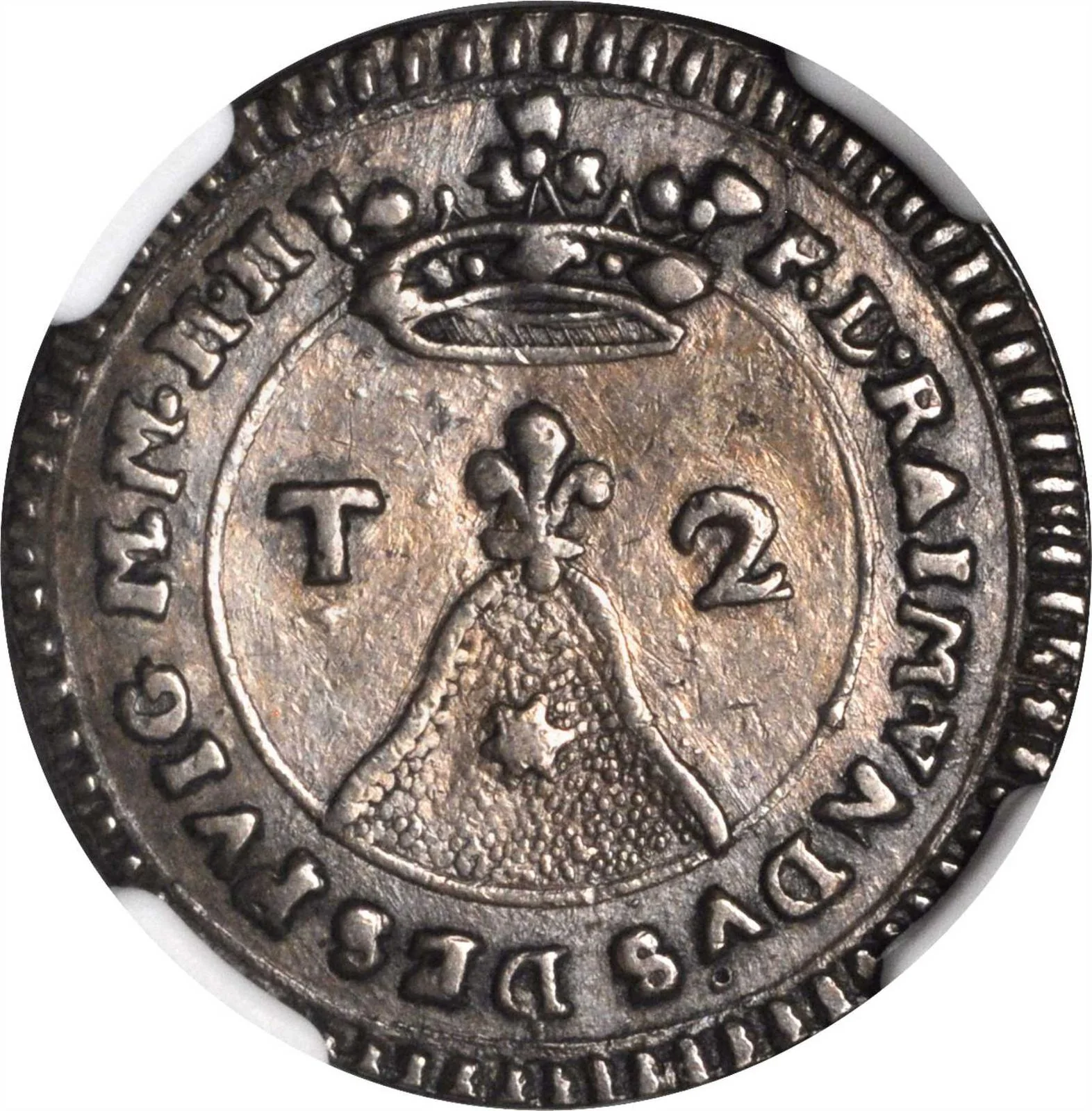
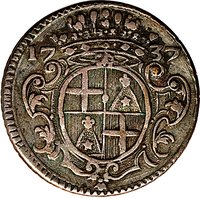
Obverse
Description:
Crowned Despvig arms split value.
Inscription:
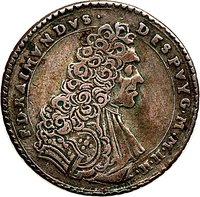
·S·P·L·RAIMVNDVS DESPVIG M·M·NN
T 2
T 2
Script: Latin
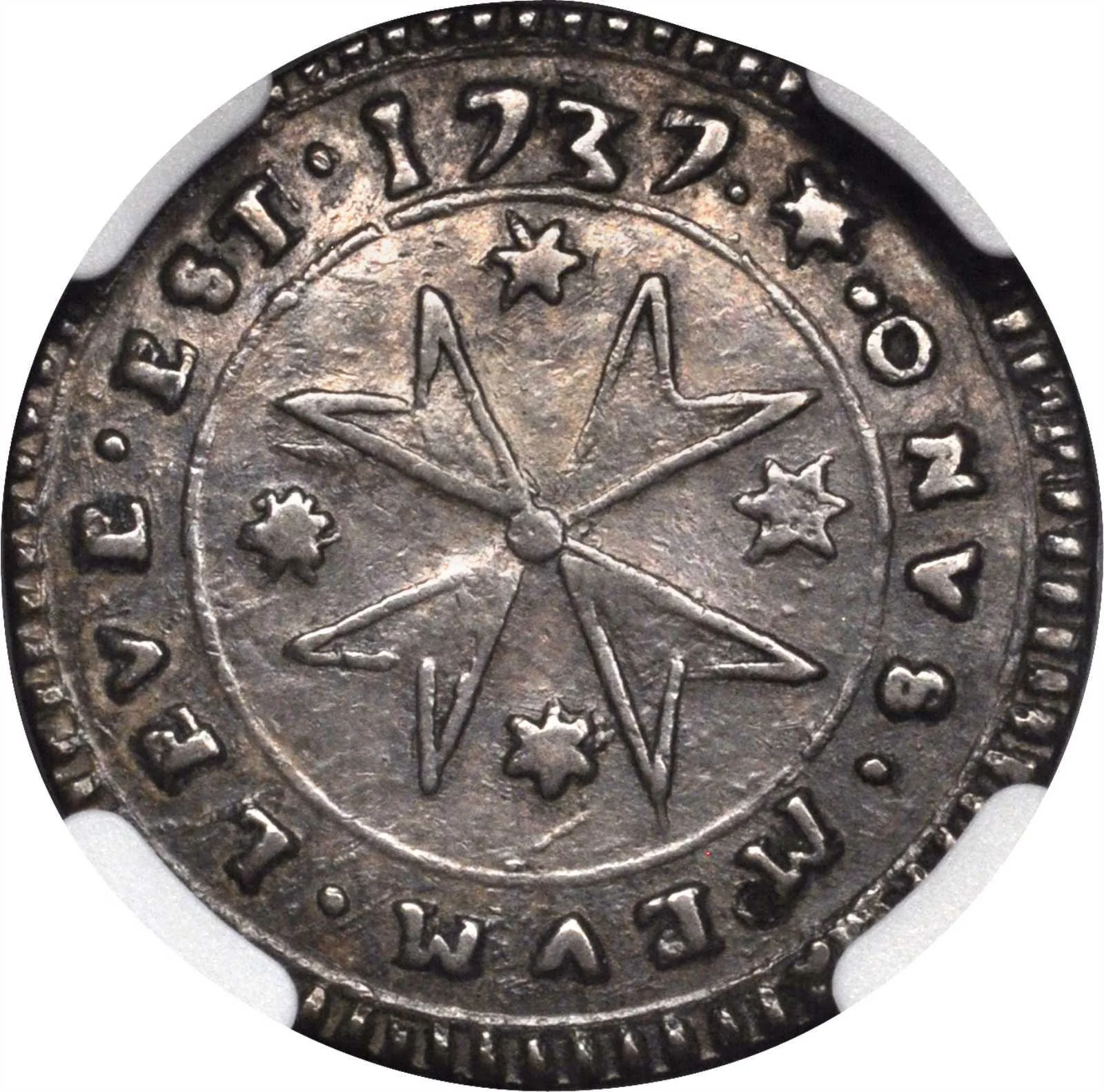
Reverse
Description:
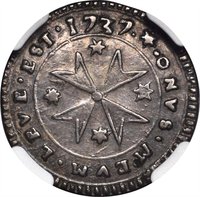
Maltese cross with stars in its angles.
Inscription:
·ONVS·MEVM·LEVE·EST·1737·
Script: Latin
Edge
Mintings
| Year | Mint Mark | Mintage | Quality | Collection |
|---|---|---|---|---|
| 1737 | — | — |
Historical background
In 1737, Malta was under the rule of the Knights Hospitaller, also known as the Order of St. John. The island's currency situation was complex and fragmented, reflecting its strategic position as a bustling Mediterranean hub for trade, corsairing, and naval activity. A multitude of coins circulated simultaneously, including Spanish pieces of eight (reales), French écus, Venetian sequins and lire, and Ottoman piastres. This proliferation of foreign specie was driven by the Knights' international connections, the constant flow of merchants and sailors, and the spoils from naval campaigns against Ottoman shipping. The Order itself minted limited local coinage, such as the scudo, subdivided into tarì, grani, and piccioli, but these often struggled to establish dominance amidst the flood of more trusted international currencies.
The primary challenge was a chronic shortage of small-denomination coinage necessary for everyday transactions in the markets of Valletta and the Three Cities. This scarcity caused significant hardship for the local population, leading to the widespread use of cut or "clipped" foreign coins to make change, which further undermined monetary stability. While high-value trade and the Order's treasury functioned with large silver and gold coins, the Maltese poor and artisans faced an inefficient and often exploitative barter economy for basic goods. The Knights' attempts to regulate the currency were largely reactive and ineffectual, as the economic reality was dictated more by maritime commerce than by official decree.
Consequently, the monetary system in 1737 was one of pragmatic disorder. The value of coins was determined more by their metallic content and the reputation of their foreign mint than by any fixed legal tender law. This environment necessitated the expertise of money-changers, who became essential figures in the marketplace. The situation would persist with only minor adjustments until the late 18th century, when the Knights introduced more substantive reforms, though the underlying reliance on a mosaic of foreign coins remained a defining feature of Malta's economy until the British colonial period.
The primary challenge was a chronic shortage of small-denomination coinage necessary for everyday transactions in the markets of Valletta and the Three Cities. This scarcity caused significant hardship for the local population, leading to the widespread use of cut or "clipped" foreign coins to make change, which further undermined monetary stability. While high-value trade and the Order's treasury functioned with large silver and gold coins, the Maltese poor and artisans faced an inefficient and often exploitative barter economy for basic goods. The Knights' attempts to regulate the currency were largely reactive and ineffectual, as the economic reality was dictated more by maritime commerce than by official decree.
Consequently, the monetary system in 1737 was one of pragmatic disorder. The value of coins was determined more by their metallic content and the reputation of their foreign mint than by any fixed legal tender law. This environment necessitated the expertise of money-changers, who became essential figures in the marketplace. The situation would persist with only minor adjustments until the late 18th century, when the Knights introduced more substantive reforms, though the underlying reliance on a mosaic of foreign coins remained a defining feature of Malta's economy until the British colonial period.
✨ Legendary