

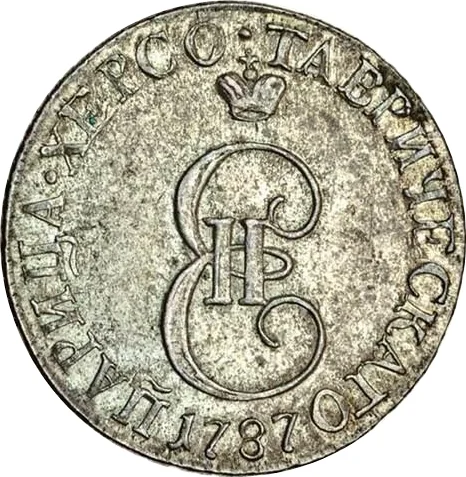
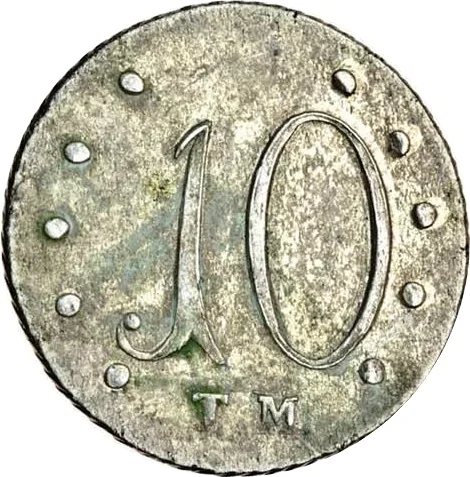
10 kopecks – Taurida Governorate
Add to wishlist
Russia
Context
Year: 1787
Country: Russia
Issuer: Taurida Governorate
Ruler: Catherine II
Currency:
(1700—1917)
Demonetized: Yes
Material
References
KM: #
Numista: #96232
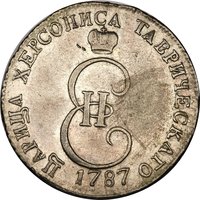
Obverse
Description:
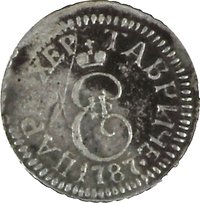
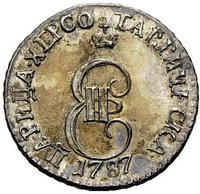
Catherine II's crowned monogram.
Inscription:
ЦАРИЦА · ХЕРСО · ТАВРИЧЕСКАГО
Е II
1787
Е II
1787
Script: Cyrillic
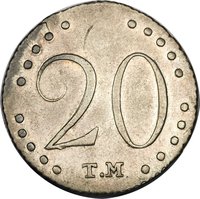
Reverse
Edge
Diagonal reeding
Mints
| Name | Mark |
|---|---|
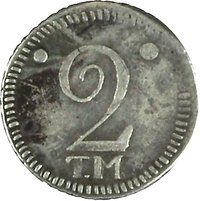
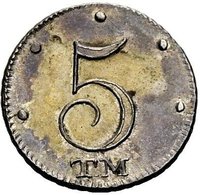
| Tauric Mint | Т.М |
Mintings
| Year | Mint Mark | Mintage | Quality | Collection |
|---|---|---|---|---|
| 1787 | ТМ | — |
Historical background
In 1787, the currency situation in the newly established Taurida Governorate was complex and transitional, reflecting its recent annexation from the Crimean Khanate by the Russian Empire in 1783. The region operated within a multi-currency environment where the official Russian monetary system, based on the silver ruble and copper kopeks, was being imposed but had not yet fully supplanted local practices. Alongside these imperial coins, older Ottoman and Crimean Tatar currencies, such as the akçe and para, remained in circulation, particularly in daily market transactions among the local Muslim population and in trade with the Ottoman Empire.
This monetary plurality was further complicated by the governorate's strategic role in Russia's southern expansion and the settlement of new territories. Empress Catherine the Great's government was actively promoting colonization, attracting Russian nobles, foreign settlers, and others with land grants. These economic activities required reliable and familiar currency, increasing the demand for Russian specie. However, the physical supply of official coinage to this remote frontier was often insufficient, leading to widespread use of foreign silver coins (like Dutch daalders and Austrian thalers, often called yefimki in Russia) which were accepted by weight and assay.
Ultimately, the currency landscape of 1787 Taurida was one of imperial overlay on a pre-existing economic fabric. While the state sought to standardize and integrate the region into the imperial fiscal system, practical realities on the ground necessitated a period of coexistence and gradual transition. This situation would persist until the 19th century, when improved administration, increased settlement, and dedicated economic policies would fully align Taurida's currency with that of the Russian Empire.
This monetary plurality was further complicated by the governorate's strategic role in Russia's southern expansion and the settlement of new territories. Empress Catherine the Great's government was actively promoting colonization, attracting Russian nobles, foreign settlers, and others with land grants. These economic activities required reliable and familiar currency, increasing the demand for Russian specie. However, the physical supply of official coinage to this remote frontier was often insufficient, leading to widespread use of foreign silver coins (like Dutch daalders and Austrian thalers, often called yefimki in Russia) which were accepted by weight and assay.
Ultimately, the currency landscape of 1787 Taurida was one of imperial overlay on a pre-existing economic fabric. While the state sought to standardize and integrate the region into the imperial fiscal system, practical realities on the ground necessitated a period of coexistence and gradual transition. This situation would persist until the 19th century, when improved administration, increased settlement, and dedicated economic policies would fully align Taurida's currency with that of the Russian Empire.
✨ Legendary