

1 quattrino – Gubbio
Add to wishlist
Italy
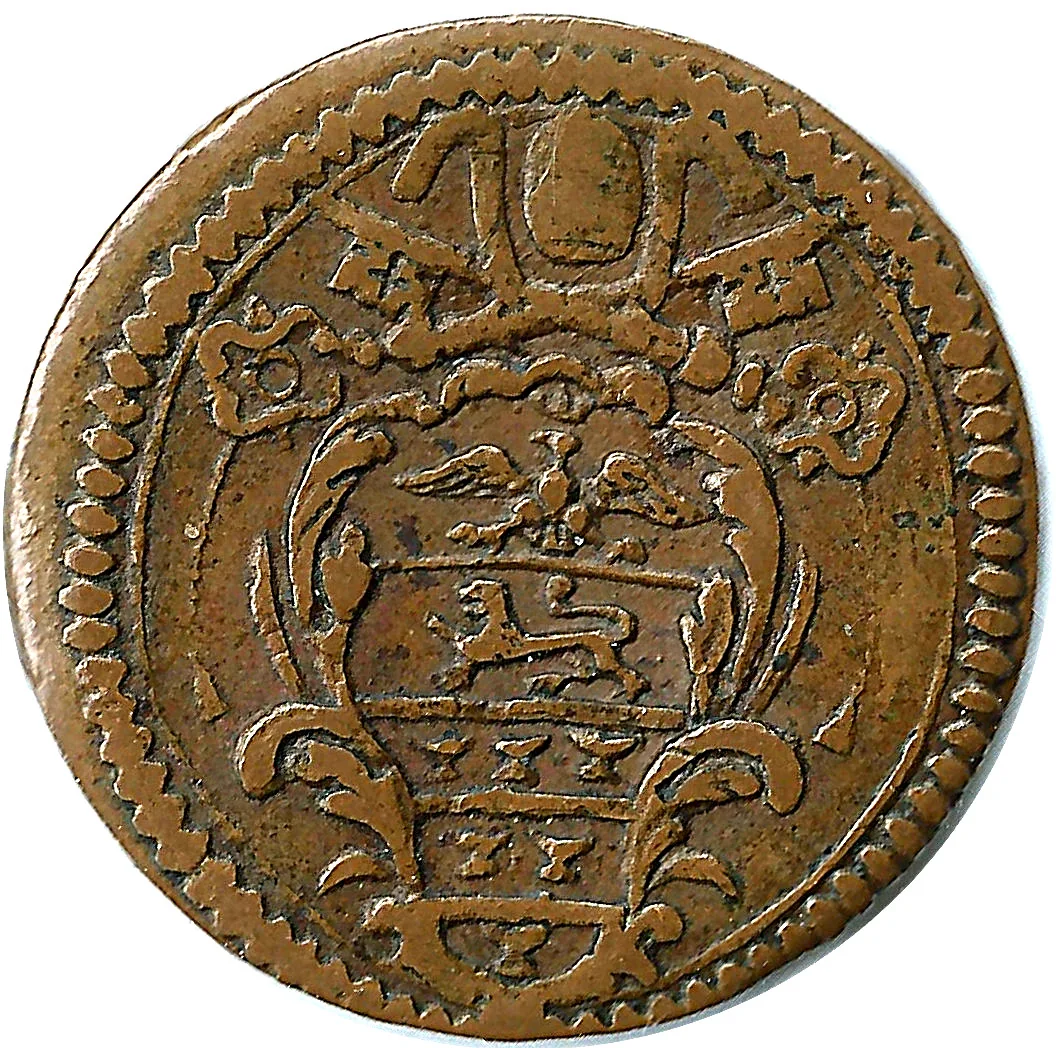
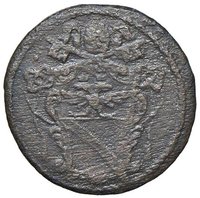
Obverse
Description:
Papal coat of arms.
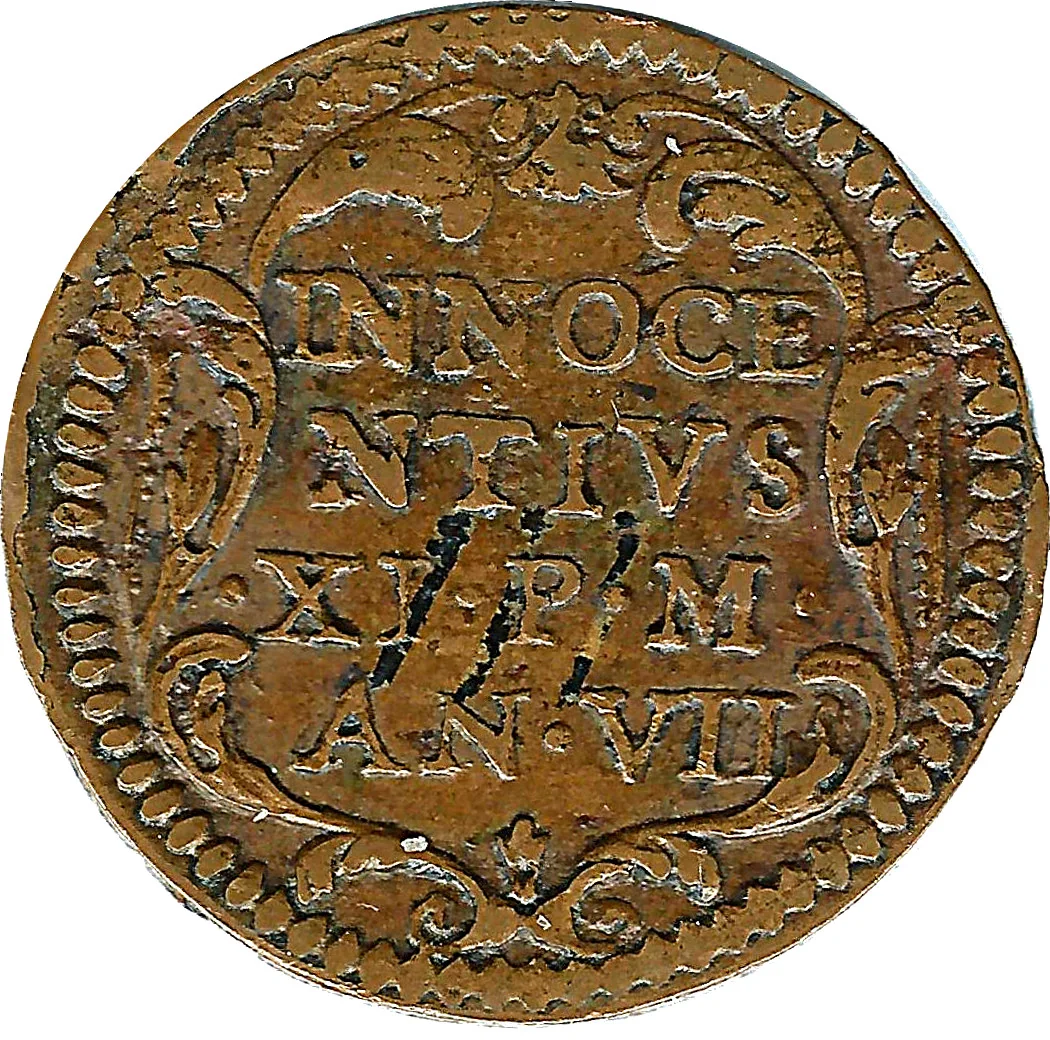
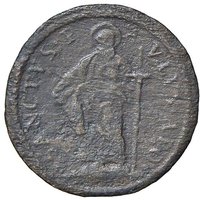
Reverse
Edge
Categories
| Symbol> Crown |
| Symbols> Coat of Arms |
Mints
| Name | Mark |
|---|---|
| Gubbio | — |
Mintings
| Year | Mint Mark | Mintage | Quality | Collection |
|---|---|---|---|---|
| 1682 | — | — | ||
| 1683 | — | — | ||
| 1684 | — | — | ||
| 1685 | — | — | ||
| 1686 | — | — | ||
| 1687 | — | — | ||
| 1688 | — | — |
Historical background
In 1682, Gubbio, a historic city in the Papal States, operated under a complex and often chaotic monetary system. While officially subject to the papal mint in Rome, the practical reality was one of monetary pluralism. A wide variety of coins circulated simultaneously: local papal scudi and giuli, coins from other Italian states like the Tuscan piastra, and even older, clipped, and worn foreign coins from Spain and the Empire. This created constant difficulties in trade, as merchants and citizens had to be expert assayers, judging the weight and precious metal content of each coin and negotiating exchange rates daily.
The root of this confusion lay in the fragmented political landscape of pre-unification Italy and the prerogative of sovereign entities to issue coinage. Although Gubbio itself did not mint coins, its market was flooded with the currencies of neighboring duchies and cities. Furthermore, the Papal States' own monetary policy was often inconsistent, struggling to control the influx of debased foreign coinage that drove good papal money out of circulation (an early example of Gresham's Law). Official exchange rates (corso) were published, but the actual "street" value (valore) of a coin could differ significantly based on its physical condition.
For the average citizen of Gubbio, this situation bred insecurity and facilitated exploitation. Everyday transactions required careful negotiation and trust, while larger commerce relied on the expertise of money-changers, a powerful guild. The year 1682 would have been part of a long period of such monetary instability, where the value of wealth held in coin was uncertain, prices were difficult to stabilize, and the local economy was perpetually vulnerable to the monetary decisions of distant powers and the influx of foreign specie.
The root of this confusion lay in the fragmented political landscape of pre-unification Italy and the prerogative of sovereign entities to issue coinage. Although Gubbio itself did not mint coins, its market was flooded with the currencies of neighboring duchies and cities. Furthermore, the Papal States' own monetary policy was often inconsistent, struggling to control the influx of debased foreign coinage that drove good papal money out of circulation (an early example of Gresham's Law). Official exchange rates (corso) were published, but the actual "street" value (valore) of a coin could differ significantly based on its physical condition.
For the average citizen of Gubbio, this situation bred insecurity and facilitated exploitation. Everyday transactions required careful negotiation and trust, while larger commerce relied on the expertise of money-changers, a powerful guild. The year 1682 would have been part of a long period of such monetary instability, where the value of wealth held in coin was uncertain, prices were difficult to stabilize, and the local economy was perpetually vulnerable to the monetary decisions of distant powers and the influx of foreign specie.
💎 Extremely Rare