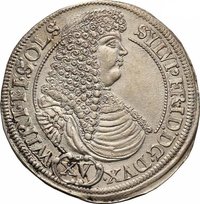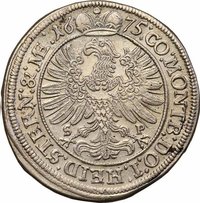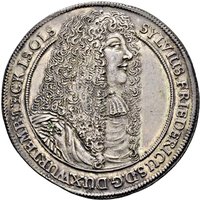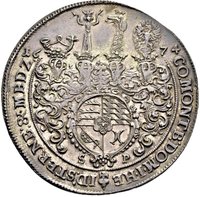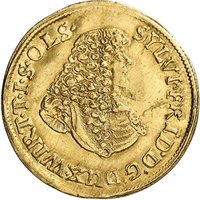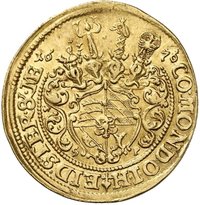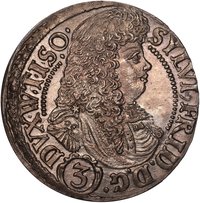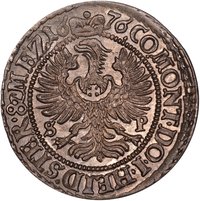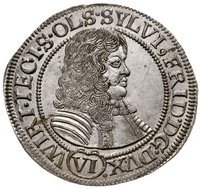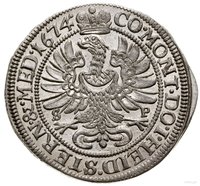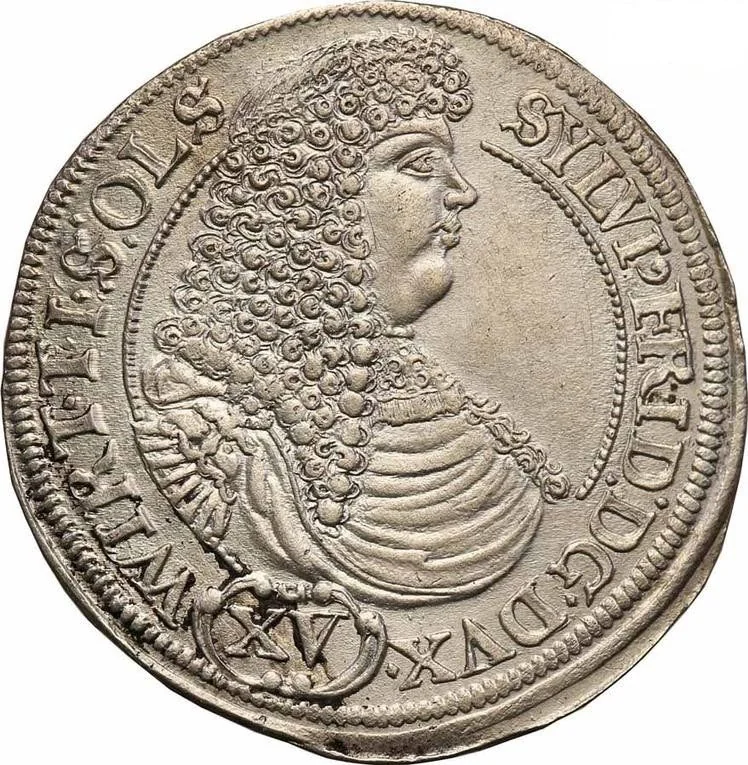
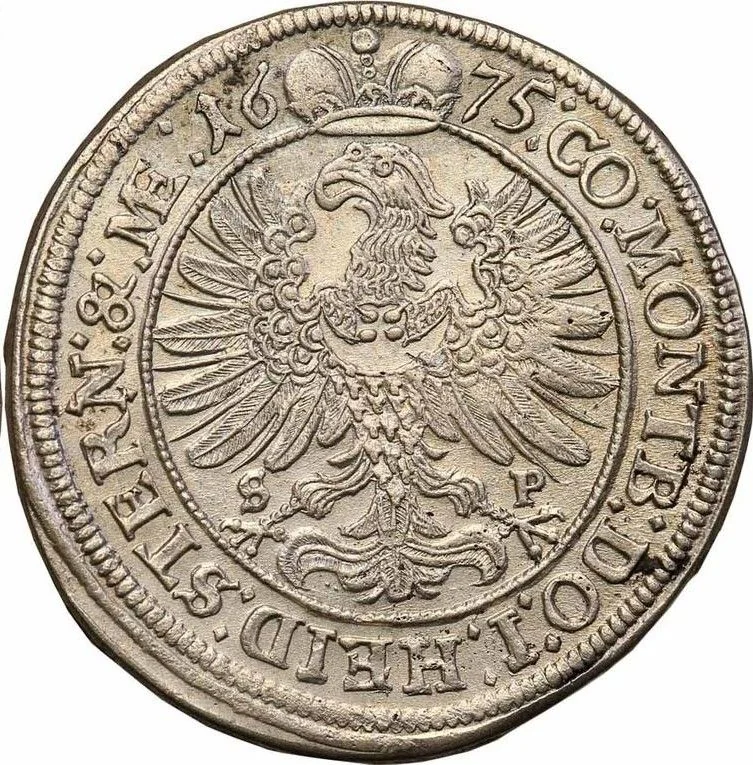
In 1674, the currency situation in the Duchy of Württemberg-Oels was characterized by significant instability and complexity, a common challenge across the Holy Roman Empire in the aftermath of the Thirty Years' War. The duchy, a small Silesian territory ruled by a branch of the Württemberg dynasty, did not possess its own central minting authority. Consequently, it relied heavily on a circulation of diverse coins, including those minted by neighboring states like the Habsburg Kingdom of Bohemia, various Saxon states, and other regional entities. This created a monetary environment where multiple coinage systems, each with different metallic contents and values, competed and circulated simultaneously.
The primary issues stemmed from debasement and "Kipper und Wipper" inflation, a crisis that had peaked earlier in the century but whose effects lingered. Rulers and minting authorities often reduced the precious metal content in coins to finance debts and military expenditures, a practice still prevalent in the 1670s. For Württemberg-Oels, this meant that the nominal value of coins in circulation frequently exceeded their intrinsic silver value, leading to confusion in trade, price volatility, and a loss of public trust. Good, full-weight coins were often hoarded or exported, leaving poorer quality money in local circulation, which hampered economic recovery.
Furthermore, Duke Silvius I Nimrod, engaged in maintaining his court and military obligations, faced constant fiscal pressure. Without a sovereign mint, the duchy’s ability to manage its currency was limited to regulatory decrees attempting to fix exchange rates for the plethora of foreign coins. These ordinances were difficult to enforce and often ineffective against market forces and the influx of debased money from abroad. Thus, the monetary landscape in 1674 was one of fragmented authority, inflationary pressure, and economic vulnerability, reflecting the broader struggles of small German states in an era of weak imperial monetary oversight.