

48 Kreuzers – Kingdom of Bohemia
Context
Years: 1620–1621
Country: Bohemia
Issuer: Kingdom of Bohemia
Period:
(1619—1620)
Currency:
(1520—1754)
Demonetized: Yes
References
KM: #Click to copy to clipboard259
Numista: #92317
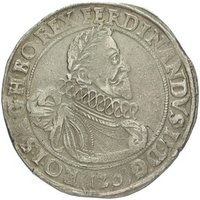
Obverse
Description:
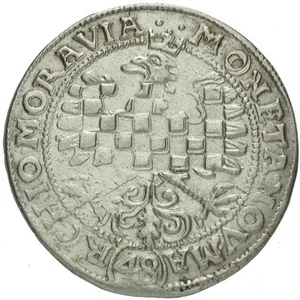
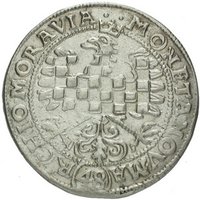
Eagle with checkered plumage.
Inscription:
MONETA. NOVA. MARCHIO. MORAVIA
Script: Latin
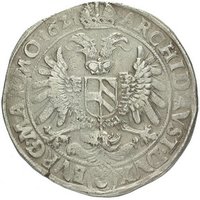
Reverse
Edge
Mints
| Name | Mark |
|---|---|
| Olomouc / Olmütz | — |
Mintings
| Year | Mint Mark | Mintage | Quality | Collection |
|---|---|---|---|---|
| 1620 | BZ | — | ||
| 1621 | BZ | — |
Historical background
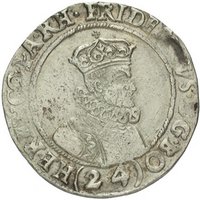
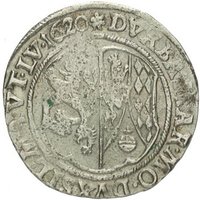
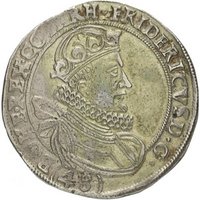
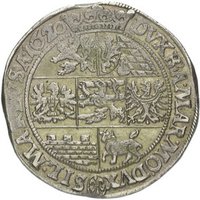
By 1620, the Kingdom of Bohemia was in a severe monetary crisis, a direct consequence of the prolonged and costly Bohemian Revolt (1618-1620) against Habsburg authority. To finance military mobilization and the operations of the Protestant government under the "Winter King" Frederick V, the Bohemian Estates resorted to drastic currency debasement. They dramatically increased the minting of so-called "long coins" (dlouhé mince), primarily silver groschen and krejcar coins, which contained a fraction of the precious metal of their pre-war counterparts. This reckless minting, often from melted-down church silver and loot, flooded the market with unstable currency.
The economic effects were catastrophic. The rapid devaluation led to rampant inflation, a collapse of public credit, and a breakdown in trade. Merchants and the population, recognizing the declining intrinsic value of the coins, began hoarding older, purer currency or demanding payment in more reliable foreign specie. Wages failed to keep pace with soaring prices for basic goods, causing widespread hardship and social unrest. The financial chaos undermined the Bohemian state's ability to pay its soldiers and secure foreign allies, critically weakening its military position on the eve of the decisive Battle of White Mountain.
This monetary instability was not merely an economic issue but a profound political failure. The debasement eroded trust in the rebel government's authority and legitimacy, mirroring its fragile political and military coalition. Following the Catholic-Habsburg victory at White Mountain in November 1620, the new administration of Emperor Ferdinand II faced the immense task of financial reconstruction. Stabilizing the currency became a priority, eventually leading to centralization of minting rights and the implementation of stricter, imperial monetary standards across the conquered lands, as part of the broader Habsburg consolidation of power.
The economic effects were catastrophic. The rapid devaluation led to rampant inflation, a collapse of public credit, and a breakdown in trade. Merchants and the population, recognizing the declining intrinsic value of the coins, began hoarding older, purer currency or demanding payment in more reliable foreign specie. Wages failed to keep pace with soaring prices for basic goods, causing widespread hardship and social unrest. The financial chaos undermined the Bohemian state's ability to pay its soldiers and secure foreign allies, critically weakening its military position on the eve of the decisive Battle of White Mountain.
This monetary instability was not merely an economic issue but a profound political failure. The debasement eroded trust in the rebel government's authority and legitimacy, mirroring its fragile political and military coalition. Following the Catholic-Habsburg victory at White Mountain in November 1620, the new administration of Emperor Ferdinand II faced the immense task of financial reconstruction. Stabilizing the currency became a priority, eventually leading to centralization of minting rights and the implementation of stricter, imperial monetary standards across the conquered lands, as part of the broader Habsburg consolidation of power.
✨ Legendary