

1 speciedaler – Denmark
Add to wishlist
Denmark
Context
Material
References
KM: #
Numista: #90574
Value
Bullion value: $64.82
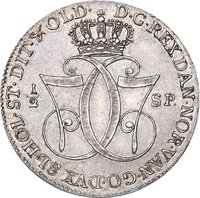
Obverse
Description:
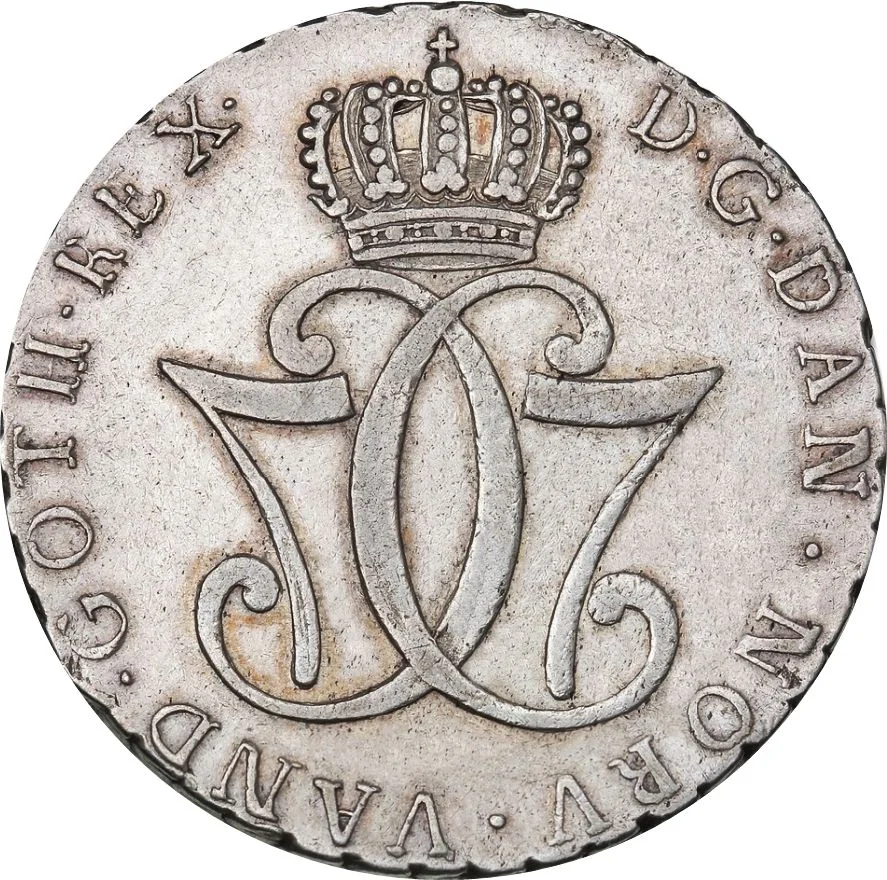
Royal cypher with crown. Rim inscription.
Inscription:
7CC7
D • G • DAN • NORV • VAND • GOTH • REX •
D • G • DAN • NORV • VAND • GOTH • REX •
Script: Latin
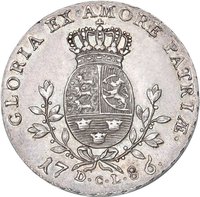
Reverse
Description:
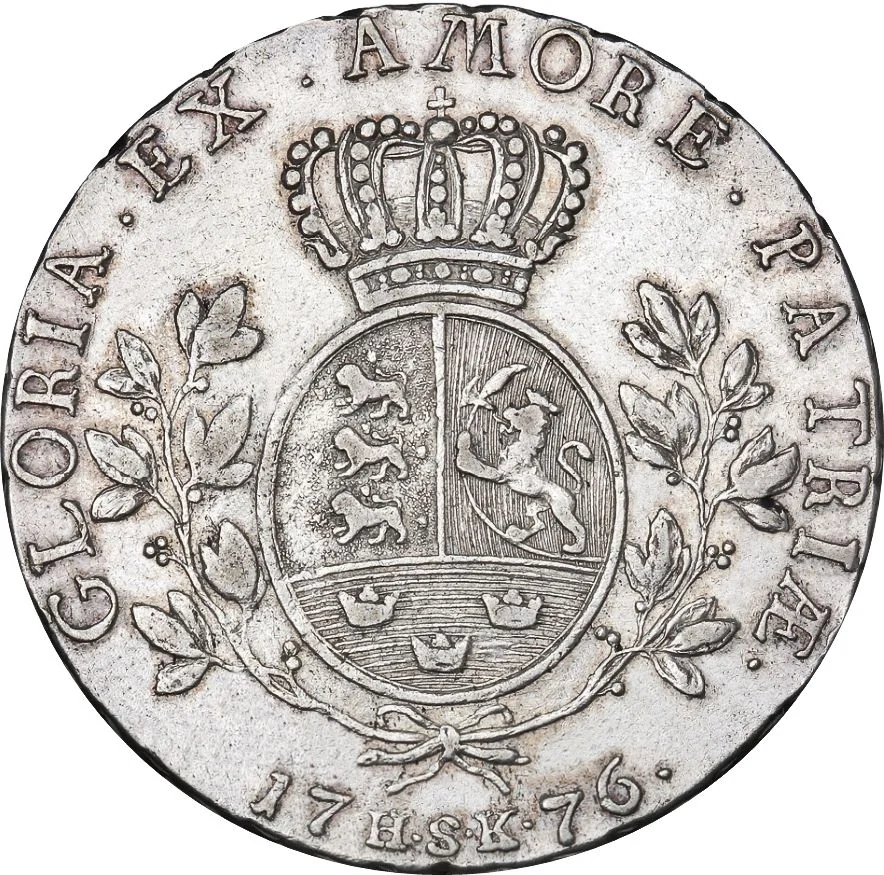
Shield with Danish, Norwegian, and Swedish arms, crowned and within a wreath. The King's motto surrounds it; the date below is split by a mintmark.
Inscription:
GLORIA EX AMORE PATRIÆ.
17 C • H • L • 76.
17 C • H • L • 76.
Script: Latin
Edge
Categories
| Symbols> Coat of Arms |
Mints
| Name | Mark |
|---|---|
| Royal Danish Mint | — |
| Altona, Schleswig-Holstein | CHL |
Mintings
| Year | Mint Mark | Mintage | Quality | Collection |
|---|---|---|---|---|
| 1776 | — | — | ||
| 1776 | CHL | — | ||
| 1780 | — | — |
Historical background
In 1776, Denmark operated under a complex and often unstable monetary system, typical of the ancien régime. The country was on a silver standard, with the primary unit being the rigsdaler specie, divided into 96 skilling. However, the system was not unified. Alongside the full-valued rigsdaler specie, there circulated a plethora of debased coins, including the rigsdaler courant (used for everyday transactions) and a vast array of foreign coins, particularly from German states, which circulated at negotiated values. This created a confusing landscape where exchange rates between different forms of money fluctuated, complicating trade and taxation.
The period was marked by significant monetary strain. The state's finances were heavily burdened by the costs of maintaining neutrality during conflicts like the Seven Years' War and the upcoming involvement in the League of Armed Neutrality. To raise revenue, the government frequently resorted to the debasement of coinage—reducing the silver content in newly minted coins while mandating their face value remain the same. This practice, while providing short-term fiscal relief, led to inflation, a loss of public confidence in the currency, and Gresham's Law in action, where "bad money drives out good," as people hoarded full-valued silver coins.
Furthermore, the Danish state, including the twin monarchy of Denmark-Norway, struggled with a chronic shortage of physical small-change coins, hindering daily market transactions. This led to the widespread use of private tokens and makeshift solutions. The situation would eventually prompt significant reforms, most notably the establishment of the Danish Central Bank (Kurantbanken) in 1736 and later the Specie Bank in 1791, which aimed to stabilize the currency by issuing standardized banknotes backed by silver. Thus, in 1776, Denmark's currency was in a transitional and precarious state, caught between medieval multiplicity and the emerging need for a standardized, state-controlled monetary system.
The period was marked by significant monetary strain. The state's finances were heavily burdened by the costs of maintaining neutrality during conflicts like the Seven Years' War and the upcoming involvement in the League of Armed Neutrality. To raise revenue, the government frequently resorted to the debasement of coinage—reducing the silver content in newly minted coins while mandating their face value remain the same. This practice, while providing short-term fiscal relief, led to inflation, a loss of public confidence in the currency, and Gresham's Law in action, where "bad money drives out good," as people hoarded full-valued silver coins.
Furthermore, the Danish state, including the twin monarchy of Denmark-Norway, struggled with a chronic shortage of physical small-change coins, hindering daily market transactions. This led to the widespread use of private tokens and makeshift solutions. The situation would eventually prompt significant reforms, most notably the establishment of the Danish Central Bank (Kurantbanken) in 1736 and later the Specie Bank in 1791, which aimed to stabilize the currency by issuing standardized banknotes backed by silver. Thus, in 1776, Denmark's currency was in a transitional and precarious state, caught between medieval multiplicity and the emerging need for a standardized, state-controlled monetary system.
💎 Extremely Rare