

1 speciedaler – Denmark
Add to wishlist
Denmark
Context
Material
References
KM: #
Numista: #90573
Value
Bullion value: $62.58
Obverse
Description:
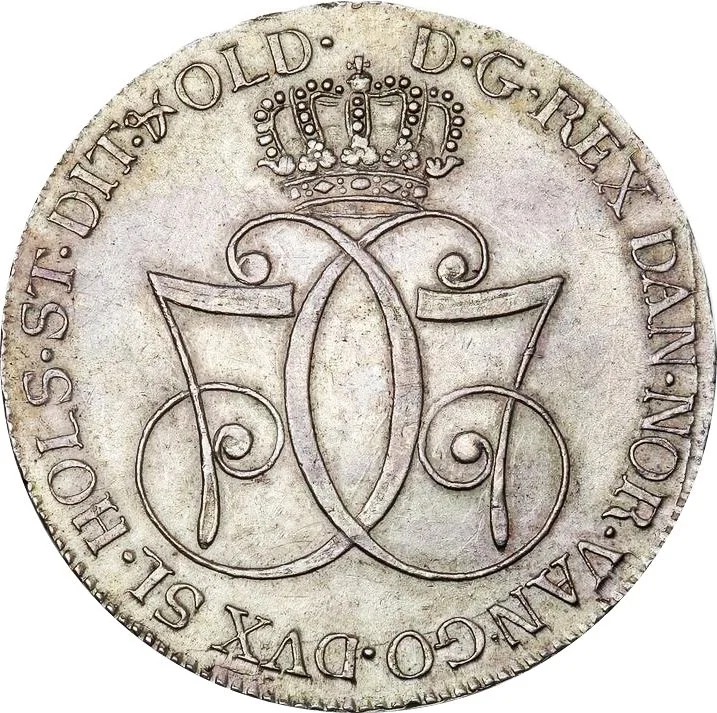
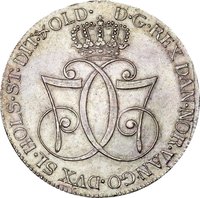
Crowned double "C7" monogram with intertwined curves and spherical terminals. Continuous legend around rim.
Inscription:
7CC7
D • G • REX • DAN • NOR • VAN • GO • DVX SL • HOLS • ST • DIT • & OLD •
D • G • REX • DAN • NOR • VAN • GO • DVX SL • HOLS • ST • DIT • & OLD •
Script: Latin
Reverse
Description:
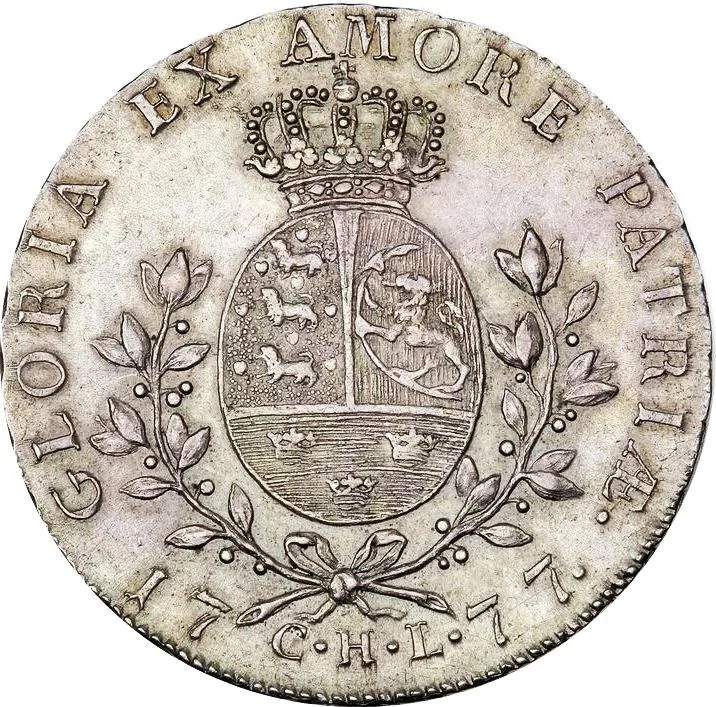
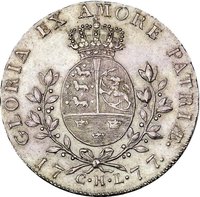
Shield with Danish, Norwegian, and Swedish arms, within laurel branches, surrounded by the King’s motto; date and mintmark below.
Inscription:
GLORIA EX AMORE PATRIÆ.
17 C • H • L • 77.
17 C • H • L • 77.
Script: Latin
Edge
Categories
| Symbols> Coat of Arms |
Mints
| Name | Mark |
|---|---|
| Altona, Schleswig-Holstein | CHL |
Mintings
| Year | Mint Mark | Mintage | Quality | Collection |
|---|---|---|---|---|
| 1777 | CHL | — |
Historical background
In 1777, Denmark, under the absolute monarchy of King Christian VII, was navigating a complex and strained monetary system. The kingdom utilized a dual currency system: the rigsdaler for large transactions and the skilling for everyday use, with 96 skilling to one rigsdaler. However, decades of war, economic strain, and debasement had led to a proliferation of different coin types, including older "kurant" coins and newer "species" coins, which traded at different values despite their nominal face. This created a confusing and inefficient marketplace, ripe for speculation and hindering both domestic commerce and international trade.
The situation was further complicated by the circulation of vast quantities of low-quality kopek coins from Russia, used in the Duchy of Holstein, a Danish possession. These coins flooded into the broader Danish economy, driving out better-quality money (Gresham's Law) and exacerbating inflation. Furthermore, the state treasury, the Kurantbanken, had issued excessive amounts of paper money (kurantsedler) not fully backed by silver reserves, eroding public trust in the currency's value. This monetary chaos created significant economic uncertainty for merchants, farmers, and the state itself.
Consequently, 1777 became a pivotal year for monetary reform. The government, led effectively by the Foreign Minister Andreas Peter Bernstorff, implemented the Currency Act of 1777. This sweeping reform aimed to restore stability by introducing a new, unified silver-based rigsdaler, set at a fixed rate of 96 skilling, and by demonetizing the problematic foreign and debased coins. This act successfully simplified the system, restored confidence, and laid the foundation for a more stable monetary standard that would last for decades, marking a crucial step in Denmark's financial modernization.
The situation was further complicated by the circulation of vast quantities of low-quality kopek coins from Russia, used in the Duchy of Holstein, a Danish possession. These coins flooded into the broader Danish economy, driving out better-quality money (Gresham's Law) and exacerbating inflation. Furthermore, the state treasury, the Kurantbanken, had issued excessive amounts of paper money (kurantsedler) not fully backed by silver reserves, eroding public trust in the currency's value. This monetary chaos created significant economic uncertainty for merchants, farmers, and the state itself.
Consequently, 1777 became a pivotal year for monetary reform. The government, led effectively by the Foreign Minister Andreas Peter Bernstorff, implemented the Currency Act of 1777. This sweeping reform aimed to restore stability by introducing a new, unified silver-based rigsdaler, set at a fixed rate of 96 skilling, and by demonetizing the problematic foreign and debased coins. This act successfully simplified the system, restored confidence, and laid the foundation for a more stable monetary standard that would last for decades, marking a crucial step in Denmark's financial modernization.
✨ Legendary