

Switzerland

Obverse
Description:
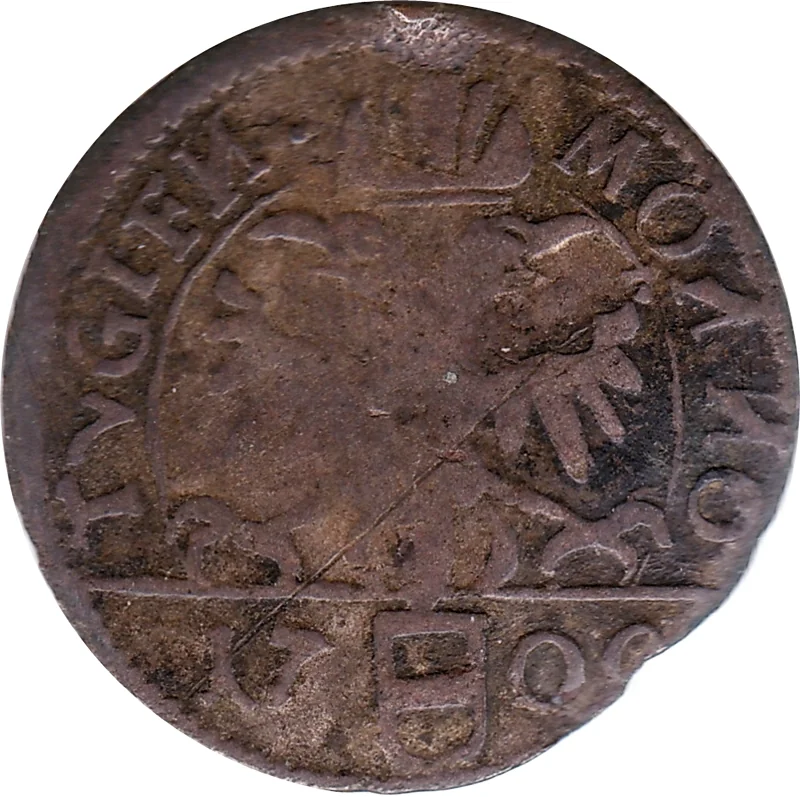
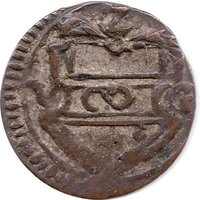
Crowned double-headed eagle, date below split by shield.
Inscription:
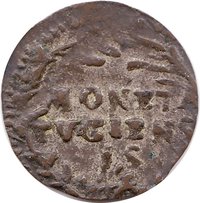
MON NO TVGIEN
17 09
17 09
Script: Latin
Reverse
Edge
Mintings
| Year | Mint Mark | Mintage | Quality | Collection |
|---|---|---|---|---|
| 1709 | — | — |
Historical background
In 1709, Zug, like much of the Old Swiss Confederacy, faced a complex and chaotic currency situation. The region lacked a unified monetary system, leading to a proliferation of both domestic and foreign coins circulating simultaneously. These included coins minted by the various Swiss cantons, as well as a flood of foreign currency from neighbouring states like France, Italy, and the German principalities, each with different weights, purities, and values.
This monetary fragmentation created significant economic instability and practical difficulties for daily commerce. The intrinsic value of a coin (its metal content) often differed from its nominal face value, leading to confusion and frequent disputes. Debasement of coinage was a common practice, as authorities sometimes reduced the precious metal content to finance expenditures, further eroding public trust. Merchants and citizens had to constantly assess and negotiate the worth of each transaction, relying on published exchange rate lists that changed frequently.
The authorities in Zug were aware of these problems, but effective solutions were elusive within the decentralized political structure of the Confederacy. Cantonal attempts to regulate exchange rates or mandate the acceptance of certain coins often proved ineffective against market forces. Consequently, the monetary chaos of 1709 was a persistent burden on Zug's economy, stifling trade and creating an environment of uncertainty that highlighted the urgent need for greater monetary coordination, a challenge that would persist for decades.
This monetary fragmentation created significant economic instability and practical difficulties for daily commerce. The intrinsic value of a coin (its metal content) often differed from its nominal face value, leading to confusion and frequent disputes. Debasement of coinage was a common practice, as authorities sometimes reduced the precious metal content to finance expenditures, further eroding public trust. Merchants and citizens had to constantly assess and negotiate the worth of each transaction, relying on published exchange rate lists that changed frequently.
The authorities in Zug were aware of these problems, but effective solutions were elusive within the decentralized political structure of the Confederacy. Cantonal attempts to regulate exchange rates or mandate the acceptance of certain coins often proved ineffective against market forces. Consequently, the monetary chaos of 1709 was a persistent burden on Zug's economy, stifling trade and creating an environment of uncertainty that highlighted the urgent need for greater monetary coordination, a challenge that would persist for decades.
✨ Legendary