

4 Cash – Danish India
India
Context
Years: 1761–1763
Country: India 
Issuer: Danish India
Ruler: Frederick V
Currency:
(1730—1818)
Demonetized: Yes
Material
References
KM: #Click to copy to clipboard145
Numista: #119837
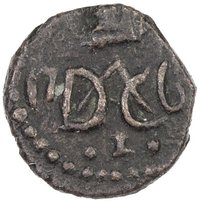
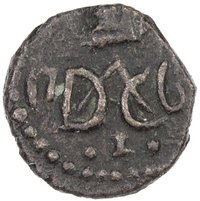
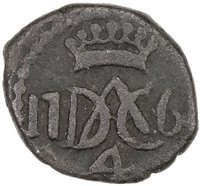
Obverse
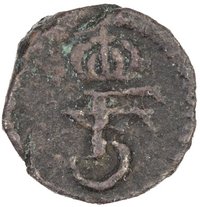
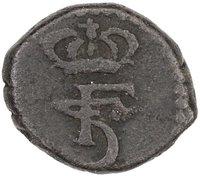
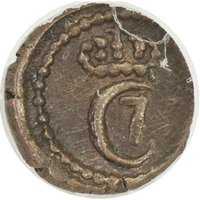
Reverse
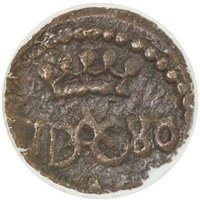
Edge
Mintings
| Year | Mint Mark | Mintage | Quality | Collection |
|---|---|---|---|---|
| 1761 | — | — | ||
| 1763 | — | — |
Historical background
In 1761, Danish India was a minor colonial enterprise centered on the small coastal enclaves of Tranquebar (in modern-day Tamil Nadu) and Serampore (in Bengal), with the Nicobar Islands also under nominal control. The currency situation was inherently complex and pluralistic, as no single, unified Danish-issued currency dominated local trade. Instead, the economy operated on a system of monetary pluralism, where a multitude of foreign and indigenous coins circulated simultaneously. The most important of these were the widely recognized silver Arcot rupees from the neighboring British Madras Presidency and the Mughal Empire, which served as the de facto standard for larger transactions.
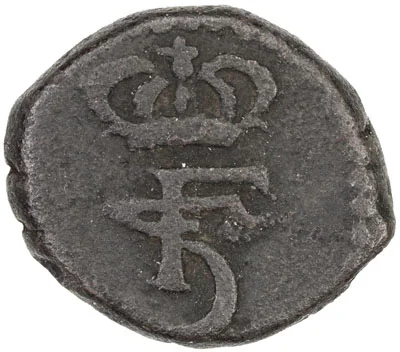
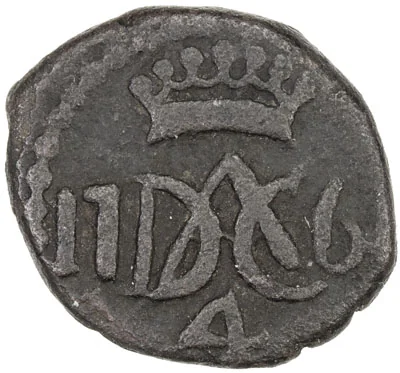
The Danish administration did mint its own coins, primarily copper kash (or cas) and smaller silver coins at the Tranquebar mint, often bearing the monogram of the Danish king. However, these local issues were intended largely for smaller, day-to-day commerce within the settlements and to pay local troops and workers. Their value and acceptance were limited beyond Danish territories, forcing the Danish Asiatic Company to engage in constant arbitrage and exchange operations. The company's trade relied heavily on acquiring the dominant regional currencies—primarily Arcot rupees and gold pagodas—through trade surpluses or bullion imports to conduct business with Indian merchants and other European companies.
This fragmented system created persistent administrative and commercial challenges. Accountants in Danish factories had to maintain ledgers with multiple exchange rates, and the company was perpetually vulnerable to fluctuations in the value of the various circulating coins. The year 1761 falls within a period where Danish colonial influence was waning, and their monetary policy was essentially reactive, adapting to the much stronger economic currents of the Indian subcontinent and the rising power of the British East India Company, whose currencies were becoming increasingly dominant in the region.
The Danish administration did mint its own coins, primarily copper kash (or cas) and smaller silver coins at the Tranquebar mint, often bearing the monogram of the Danish king. However, these local issues were intended largely for smaller, day-to-day commerce within the settlements and to pay local troops and workers. Their value and acceptance were limited beyond Danish territories, forcing the Danish Asiatic Company to engage in constant arbitrage and exchange operations. The company's trade relied heavily on acquiring the dominant regional currencies—primarily Arcot rupees and gold pagodas—through trade surpluses or bullion imports to conduct business with Indian merchants and other European companies.
This fragmented system created persistent administrative and commercial challenges. Accountants in Danish factories had to maintain ledgers with multiple exchange rates, and the company was perpetually vulnerable to fluctuations in the value of the various circulating coins. The year 1761 falls within a period where Danish colonial influence was waning, and their monetary policy was essentially reactive, adapting to the much stronger economic currents of the Indian subcontinent and the rising power of the British East India Company, whose currencies were becoming increasingly dominant in the region.
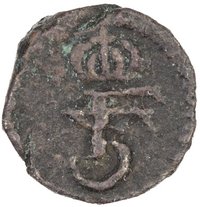
💎 Extremely Rare